The Key of the Realm
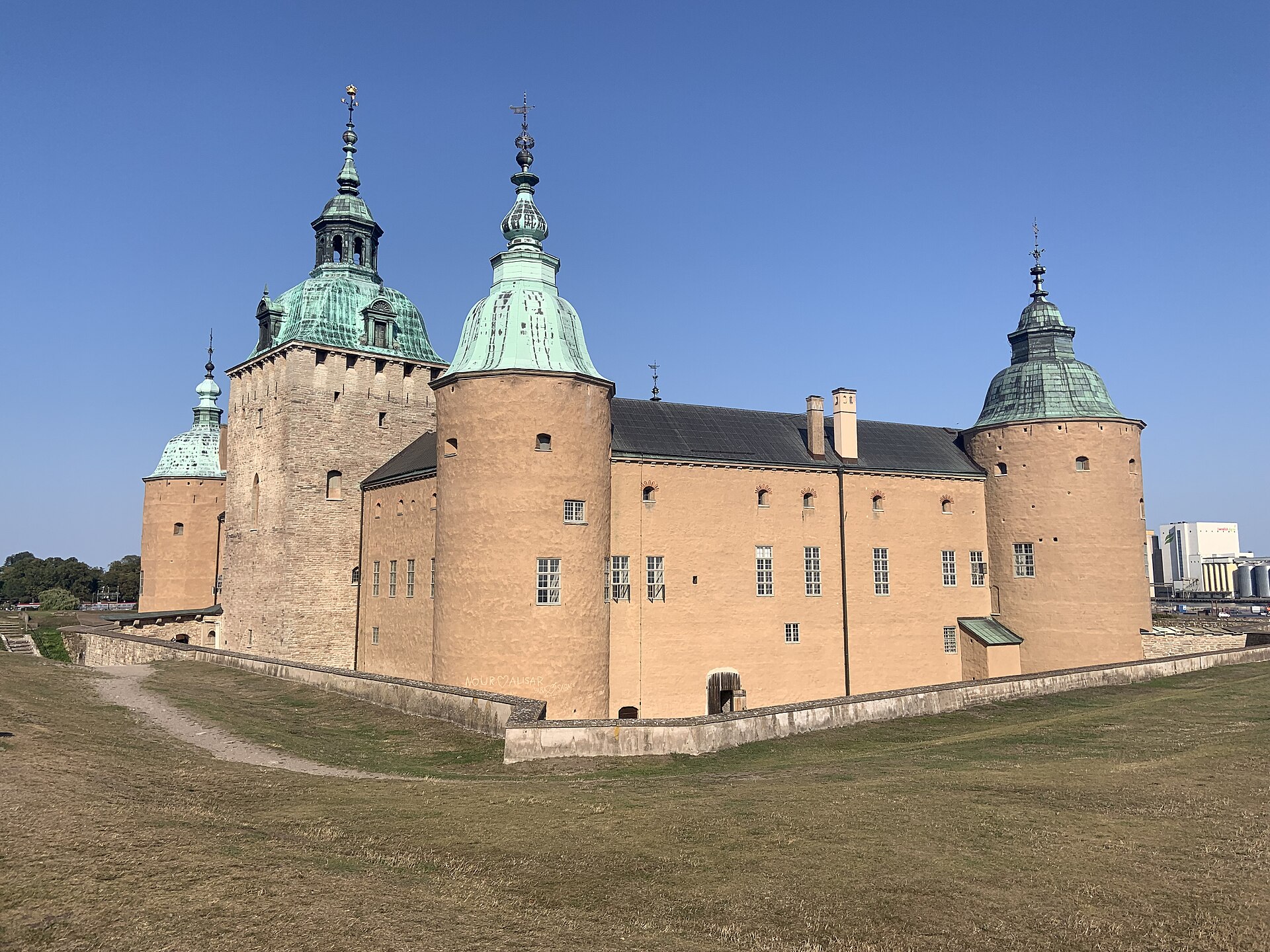
For four hundred years, Sweden's southern border did not run where it does now. Skåne, Blekinge and Halland were Danish, and the frontier lay just a few miles south of Kalmar — which made this castle the realm's south-eastern gate, the first thing a Danish army would have to break and the last thing it could afford to leave standing. They called it Rikets nyckel, the Key of the Realm, and ranked it among the kingdom's handful of truly vital fortresses.
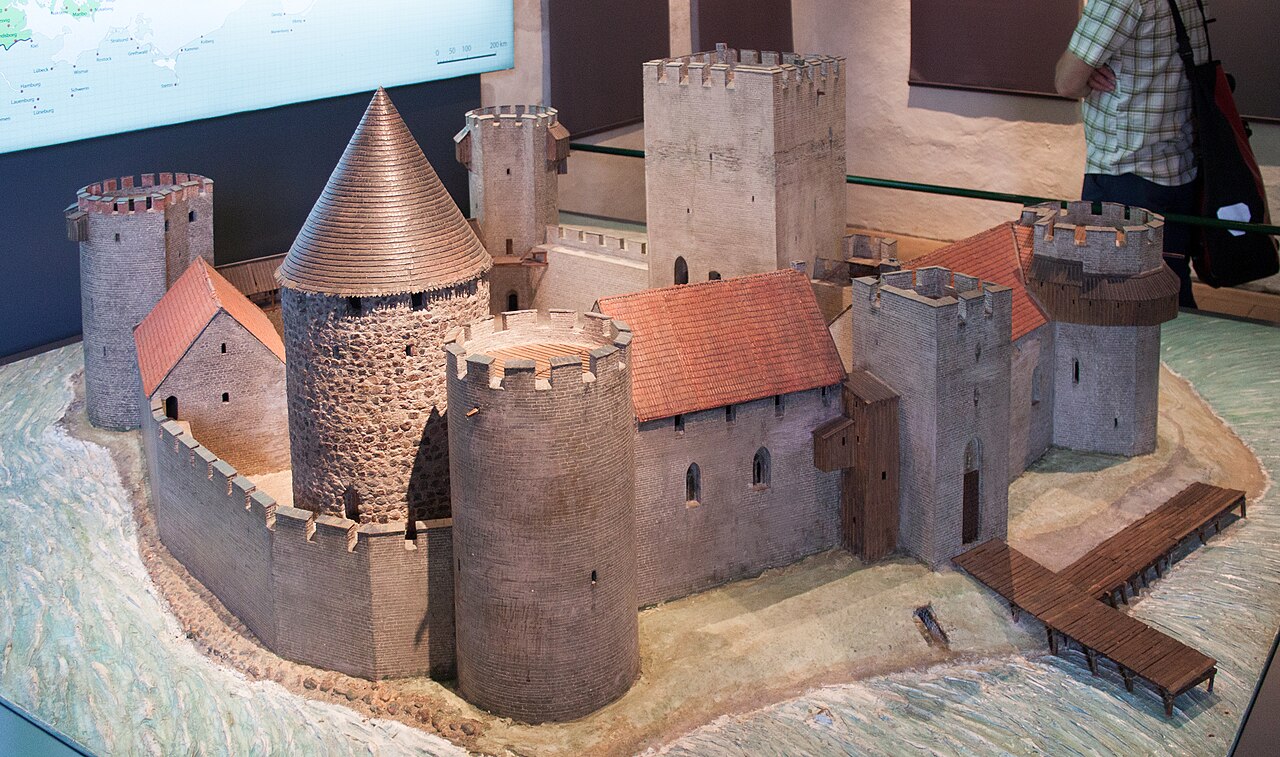
It had started small. Around 1180 a single round defence-tower rose on the islet to guard the harbour from raiders; a century later, under Magnus Ladulås, a ring wall and towers were thrown up around it and that old tower became the castle's stone heart. From then on Kalmar was a place men came to take. The tradition is that it was besieged some twenty-two times down the centuries — and the one fact that holds firm beneath the round number is that, for all those sieges, no enemy ever carried it by storm.
Where the Union was born
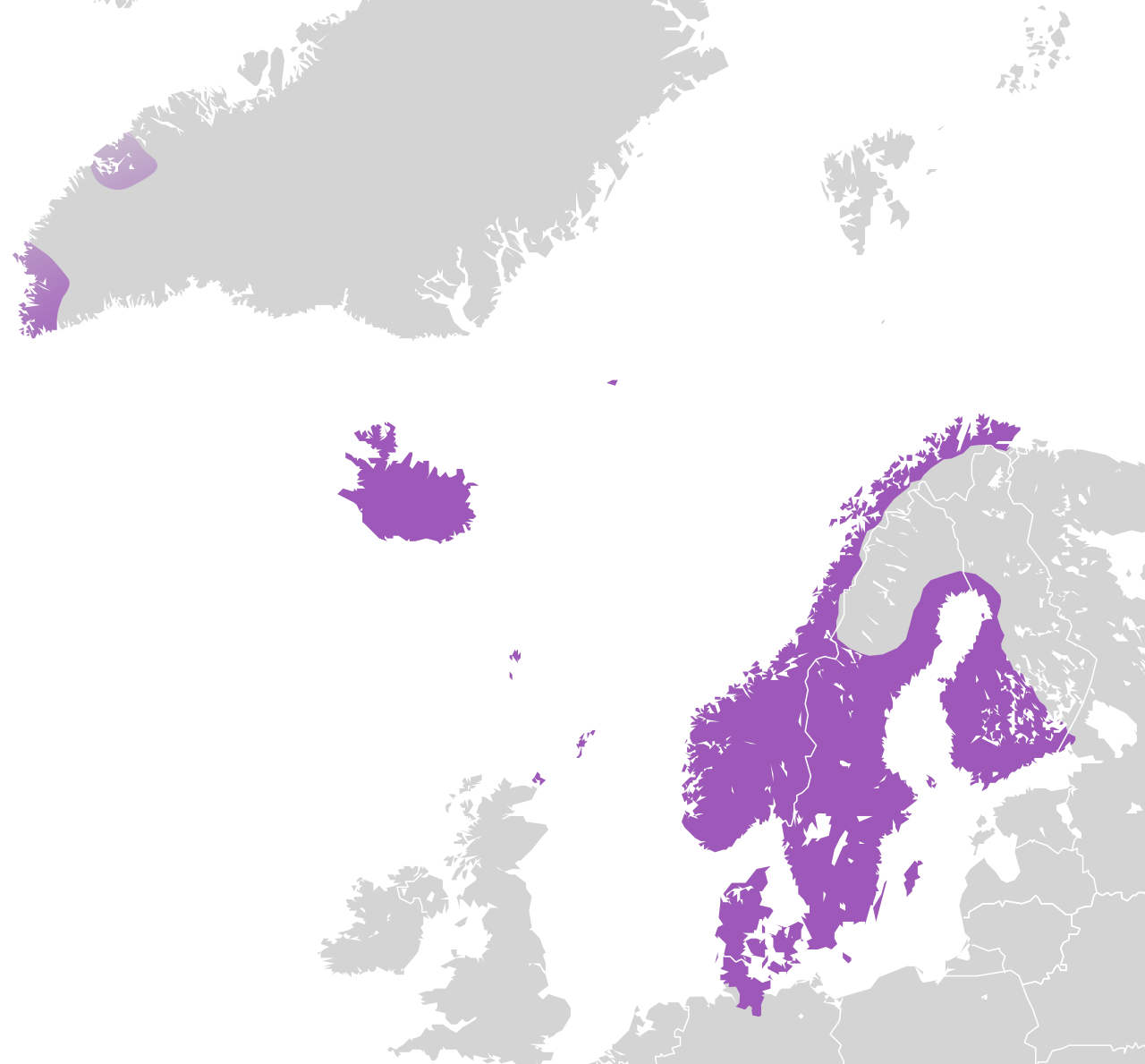
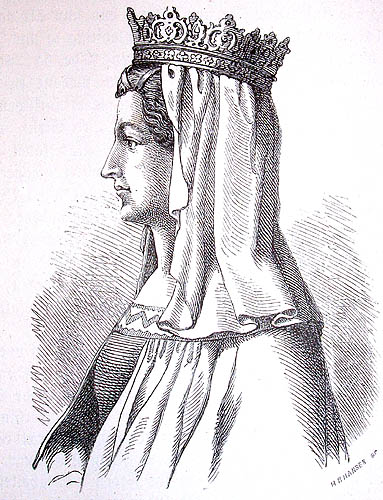
In the summer of 1397 the three royal councils of Denmark, Norway and Sweden converged on Kalmar, and the most ambitious project in the history of the North was set in motion here. Margrete I — who already held two crowns and had taken the third by the sword — had her young heir Erik of Pomerania crowned king of all three realms at once. For the first time, one ruler held the whole of Scandinavia. They called it, hopefully, an everlasting union.
Two documents went out from that meeting: a coronation letter on parchment, hung with sixty-seven seals, and a second — the union letter, the constitution of the new North. But the union letter is one of the strangest objects in Scandinavian history: written on paper, not the parchment its own text demands, scratched with corrections like a draft, and short of the seals it should carry. Scholars have argued for two centuries over whether it was ever truly binding at all. The union it founded would last a hundred and twenty-six years; the paper that founded it may never have been finished.
_-_cropped.png)
Gustav Vasa's Renaissance crown
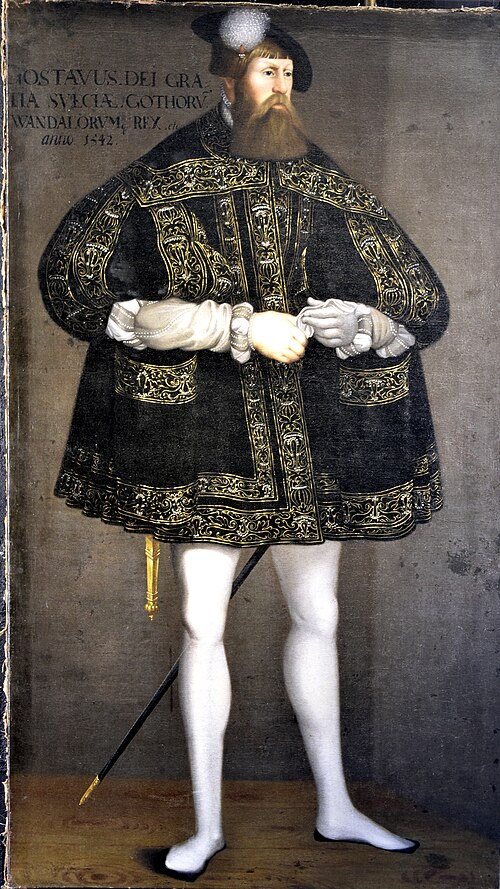
A century and a quarter later the union cracked apart, and the man who broke it came to Kalmar with a trowel. Gustav Vasa — the rebel who tore Sweden out of the union in 1523 and founded the modern kingdom — found the Key of the Realm hopelessly out of date: medieval walls, in an age when cannon could batter them down. From the 1540s he set about wrapping the old fortress in a new skin of earthwork ramparts, masonry and four great round gun-towers, the bastions you still see today.
_-_Nationalmuseum_-_39500.tif)
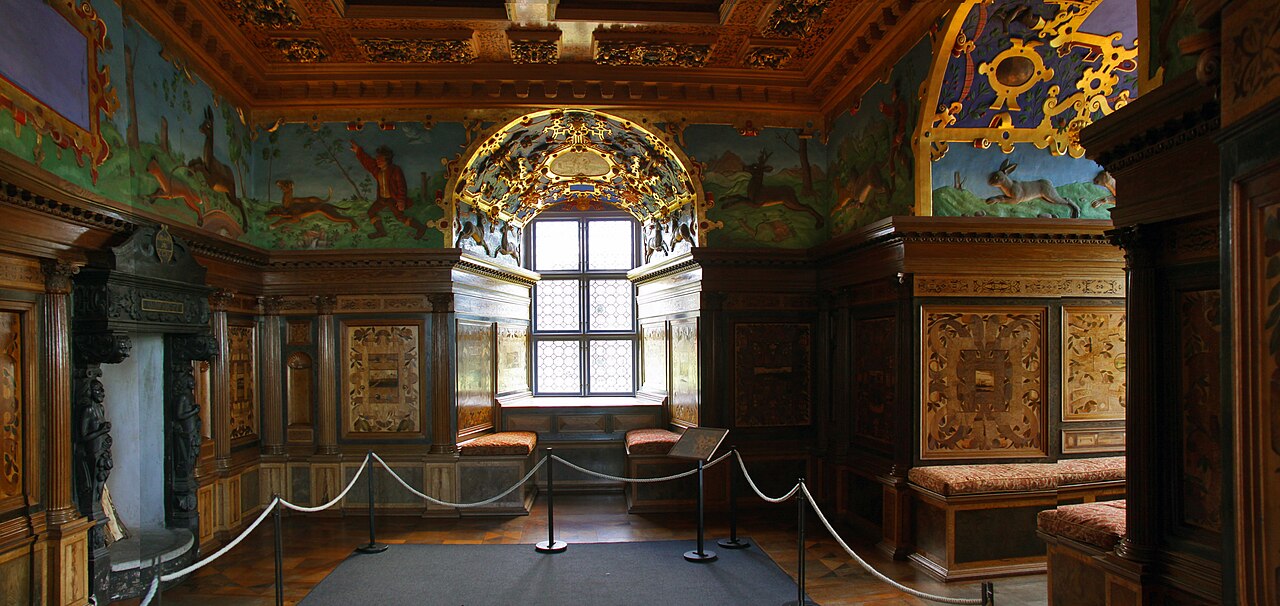
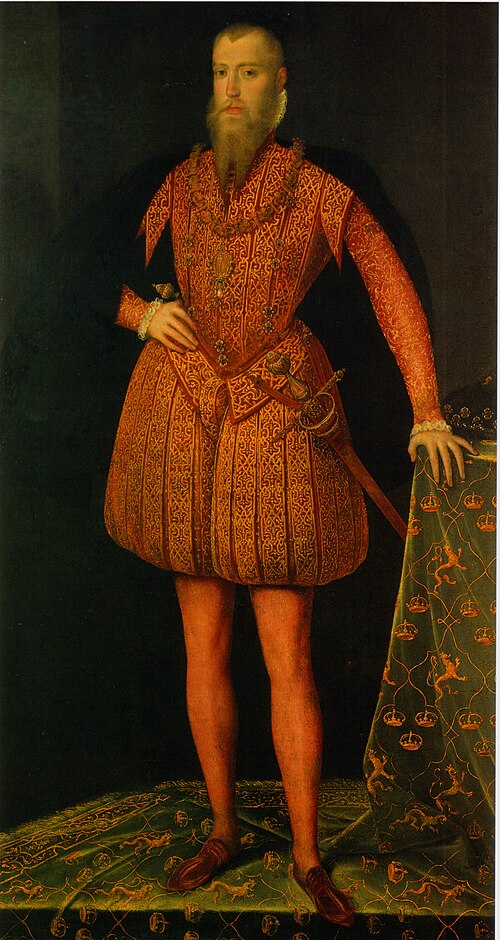
His sons finished what he began, and turned a fortress into a palace. Erik XIV lived here as duke; Johan III, from the 1570s, gave the castle the face it wears now — uniform towers under lead roofs, a white Renaissance façade, and inside, rooms of startling beauty: a chapel, a gilded hall, and the king's chamber panelled in inlaid wood and painted with forests full of running deer. The rock where the union was born had become, in the hands of the union's destroyers, the most beautiful Renaissance castle in the North.
The bloodbath, not the banquet
Kalmar's darkest day is also its most misremembered. The legends speak of a “bloody banquet” — guests lured to a feast and slaughtered — but that story is borrowed from Stockholm, and from a different bloodbath; here the killing was colder than that. In 1599, in the war between Duke Karl (soon Karl IX) and his nephew King Sigismund, a garrison loyal to Sigismund held the castle. Karl took the town, and on the twelfth of May the castle surrendered to him.
Four days later, without a trial, he had them killed. Three noble commanders and the garrison chaplain were beheaded; eighteen more — officers, secretaries, mercenary captains — were hanged. Twenty-two men in all, executed after they had already laid down their arms, and the three noblemen's heads set on stakes above the town gate. No feast, no treachery at table — just a victor settling accounts with the men who had held the Key against him. It was not the first time blood had run here, and it would not be the last.

The Kalmar War
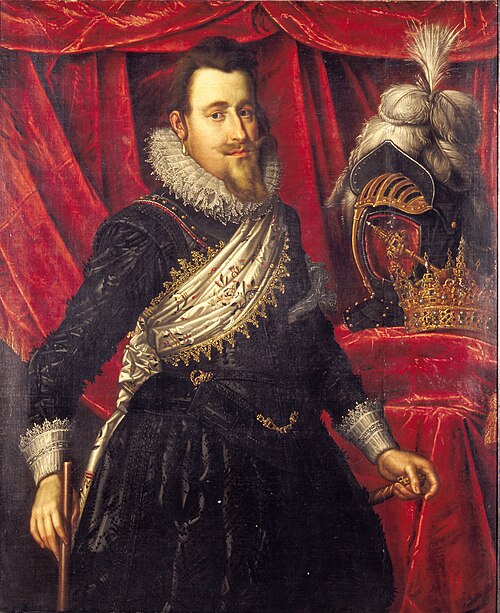
Twelve years later the Danes came for the Key in earnest. In 1611 Christian IV of Denmark — the building-king, then at the height of his power — declared war on Sweden and laid siege to Kalmar through the spring and summer. The castle that had never been stormed was not stormed now either; instead, on the third of August, its newly-appointed commander Christer Somme handed it over — whether for want of ammunition or, as the Swedes muttered, by treachery, no one could ever quite prove.
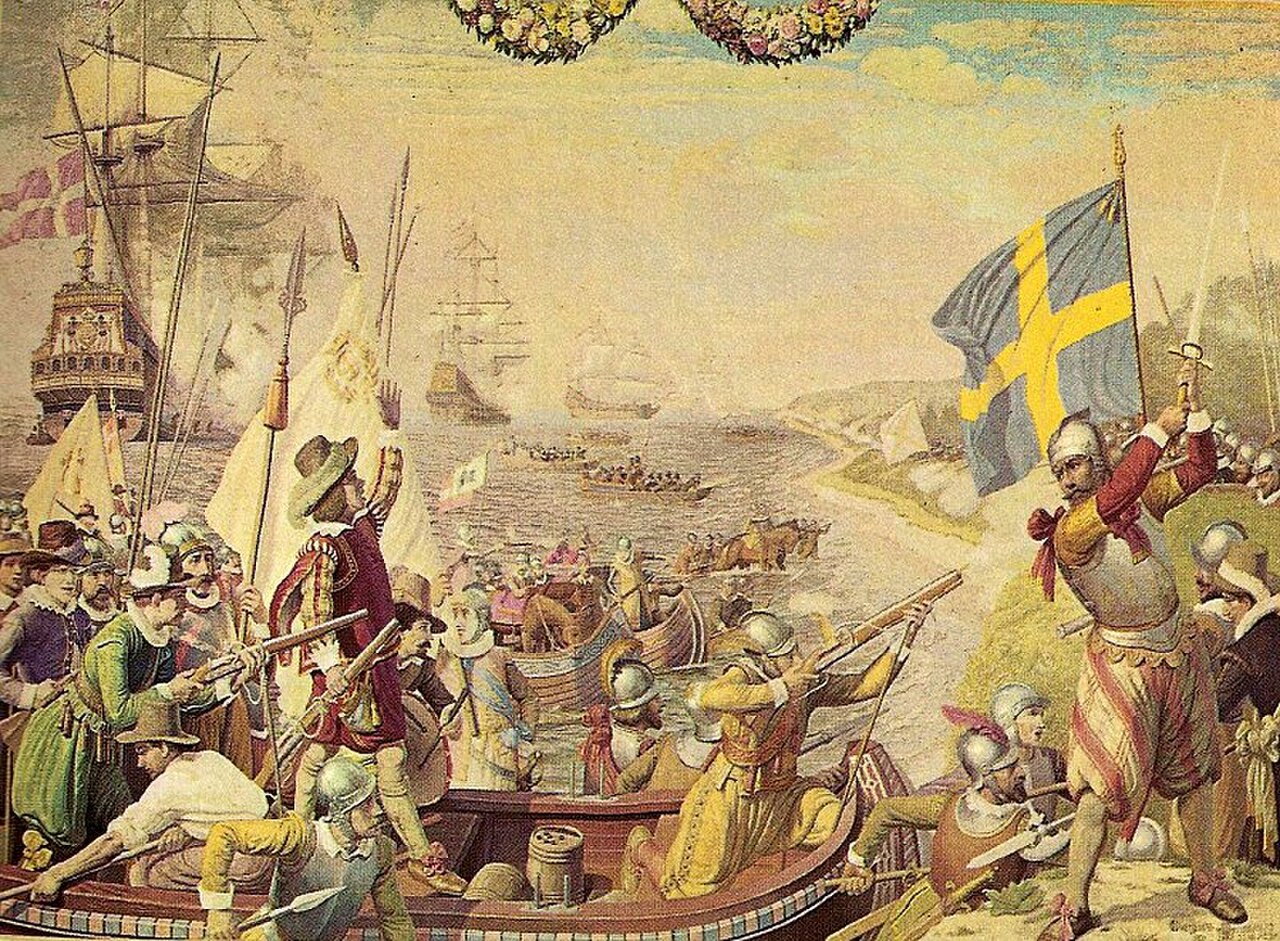
For two years the Key of the Realm flew Danish colours, until the Peace of Knäred gave it back in 1613. It was the last time Denmark would win a war against Sweden; within a lifetime the balance of the North would tip the other way for good. But Kalmar had done what it always did — bled, held, and changed hands without ever being taken by force.
Grain, spirits and chains
Then, quite suddenly, the border the castle had guarded for four centuries simply moved away. In 1658, by the Peace of Roskilde, Sweden took Skåne, Blekinge and Halland, and the Danish border slid south to where it runs today. Overnight the Key of the Realm had no door to guard. The fleet moved to Karlskrona, the kings stopped coming, and the most beautiful Renaissance castle in the North was left to find humbler work.
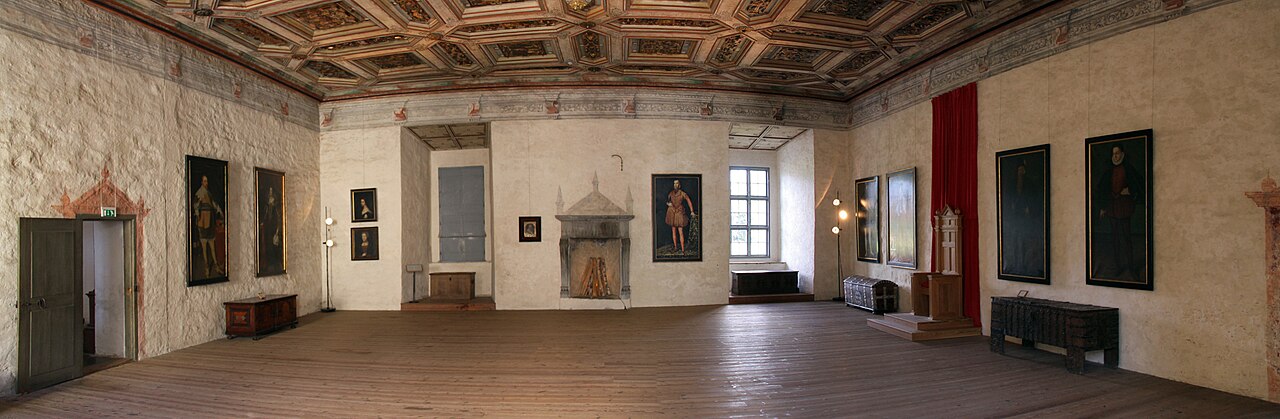
And it found it. Its painted halls became grain magazines. In 1776 a crown distillery was installed in the west wing, and its chimney-flues were driven straight up through the carved ceiling of the Green Hall, destroying the very thing that had given the room its name. For three centuries it served as the county prison, where inmates went short of firewood and clothing and got scurvy in the cold. The castle that had crowned a union of three kingdoms ended up brewing spirits and locking away debtors.
What the rock remembers
It might have been stripped for stone, as ruined castles often were. Instead, from the 1880s, a national-romantic age that loved its Vasa kings set about restoring Kalmar — and it is worth being honest about what that means. The architect Helgo Zettervall raised the towers and gave them tall, richly-capped roofs to match a nineteenth-century idea of how a royal Renaissance castle ought to look. The silhouette that draws every visitor's eye today is partly genuine Vasa-era fabric and partly a beautiful Victorian dream of it.
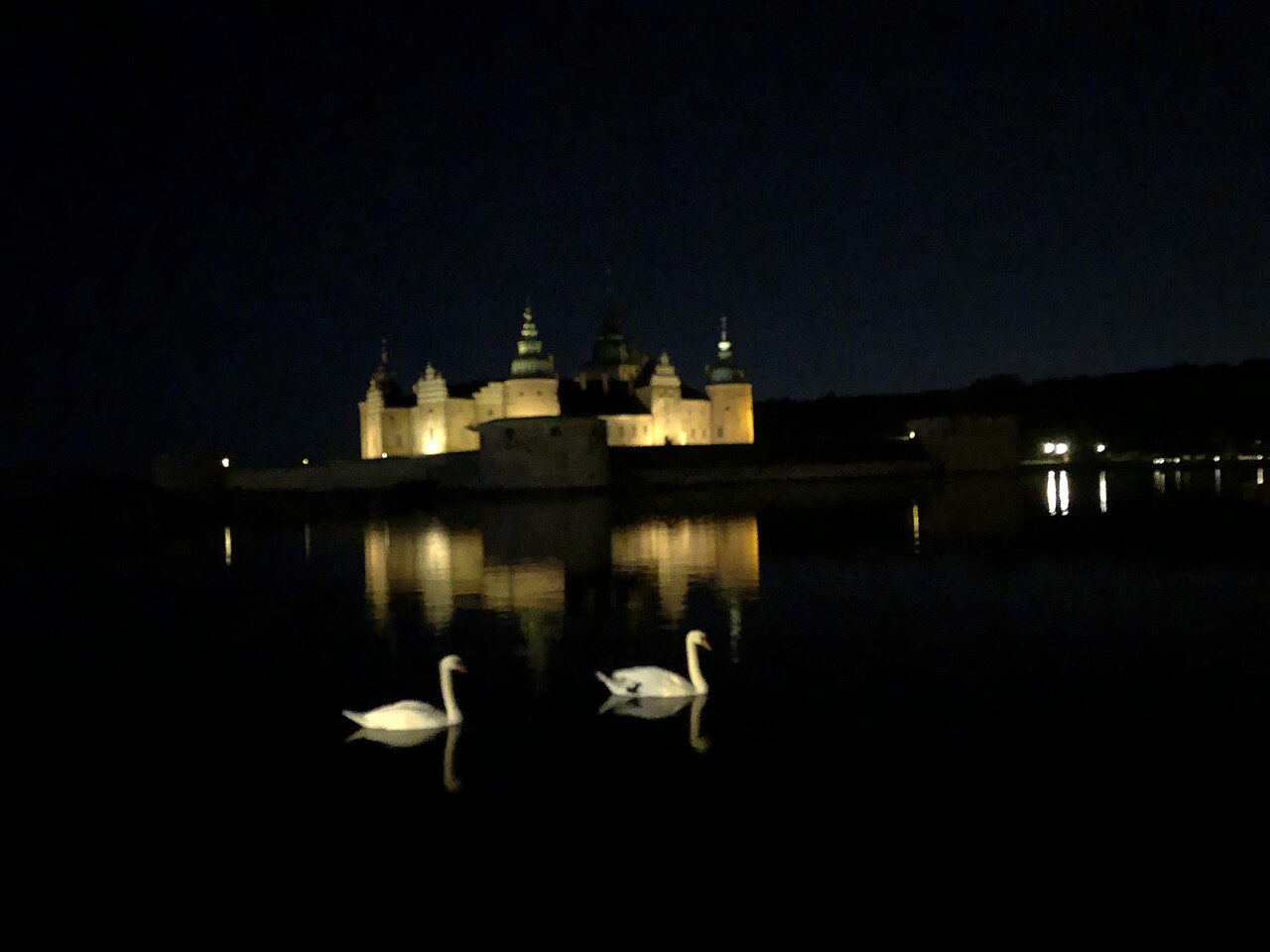
Either way, it stands — moated again, restored, a museum now, drawing visitors to the rock where the North was once made one. The border it guarded is two hundred miles south. The union it cradled is five hundred years gone. The Key of the Realm opens nothing anymore. But it is still here, golden in the water at the edge of Sweden, holding in one pile of stone the union's first morning and the dynasty that brought its last.
.jpg)
.jpg)