The stronghold at the river mouth
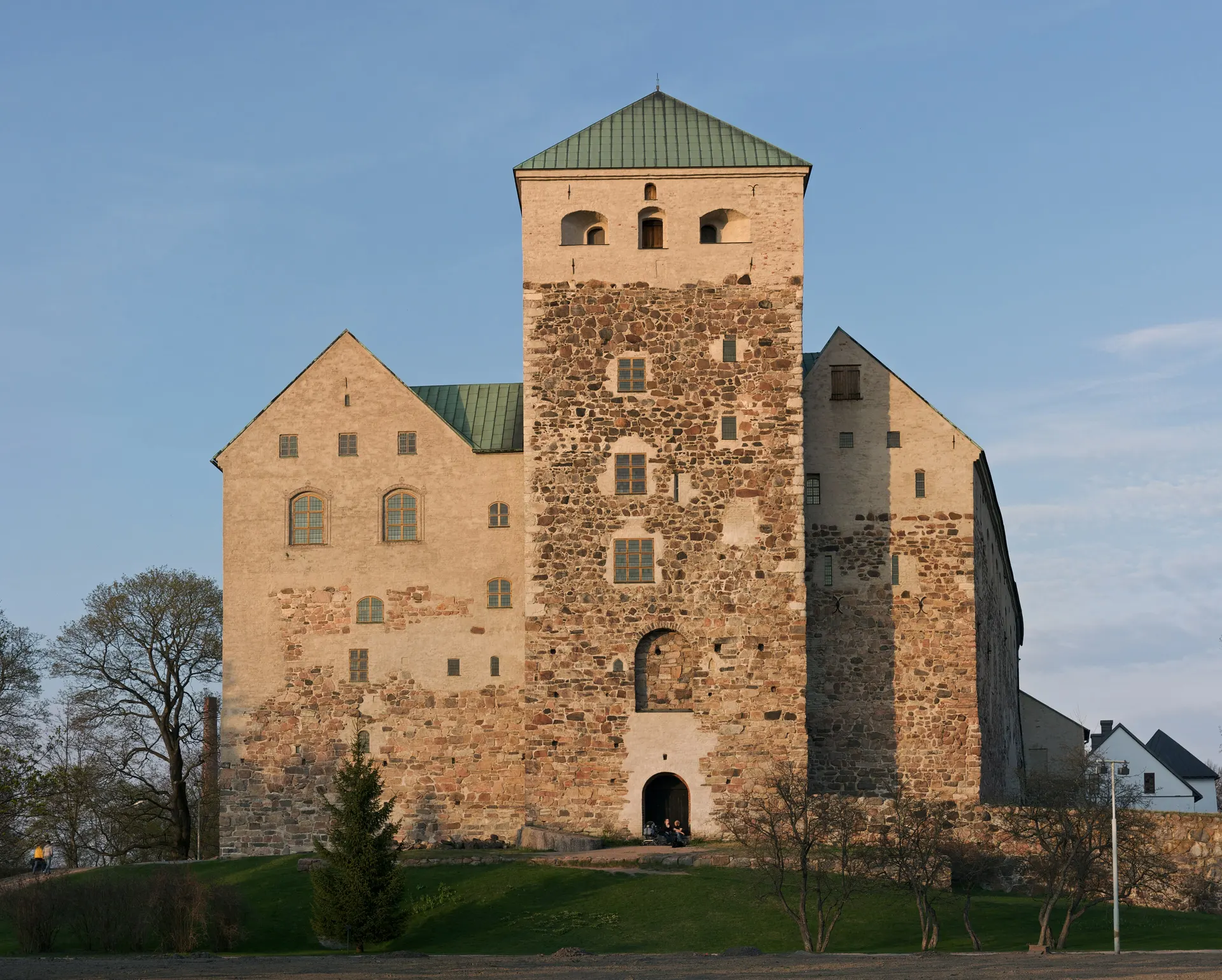
It began modestly, sometime around the year 1280. A simple defensive works at the mouth of the Aura river, raised by the Swedes to hold on to a land they had just conquered.
The spot was no accident. Whoever held the river mouth held the key to Turku and to the sea route out, and with it the gate between Sweden and its new realm in the east, Österland.
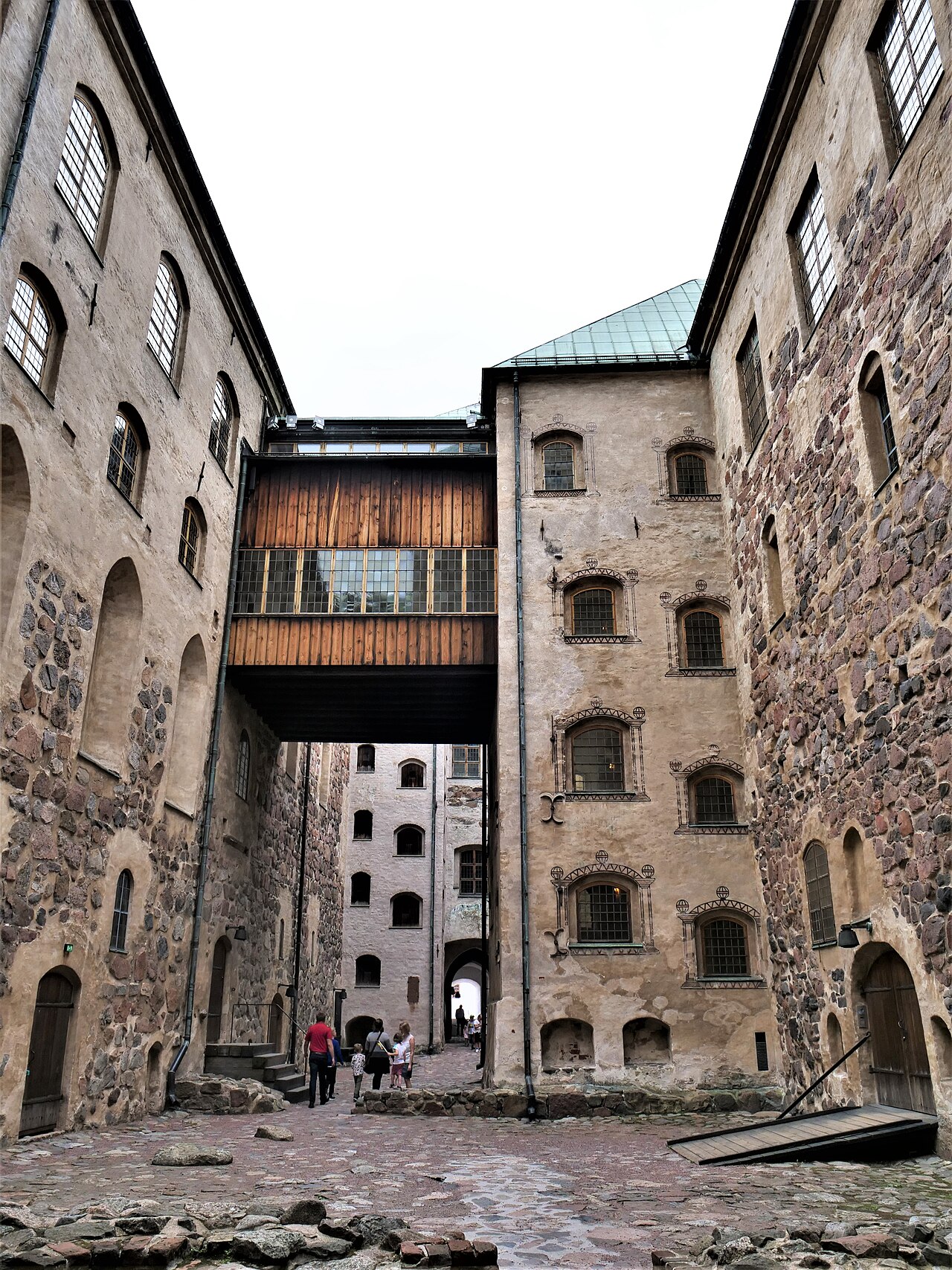
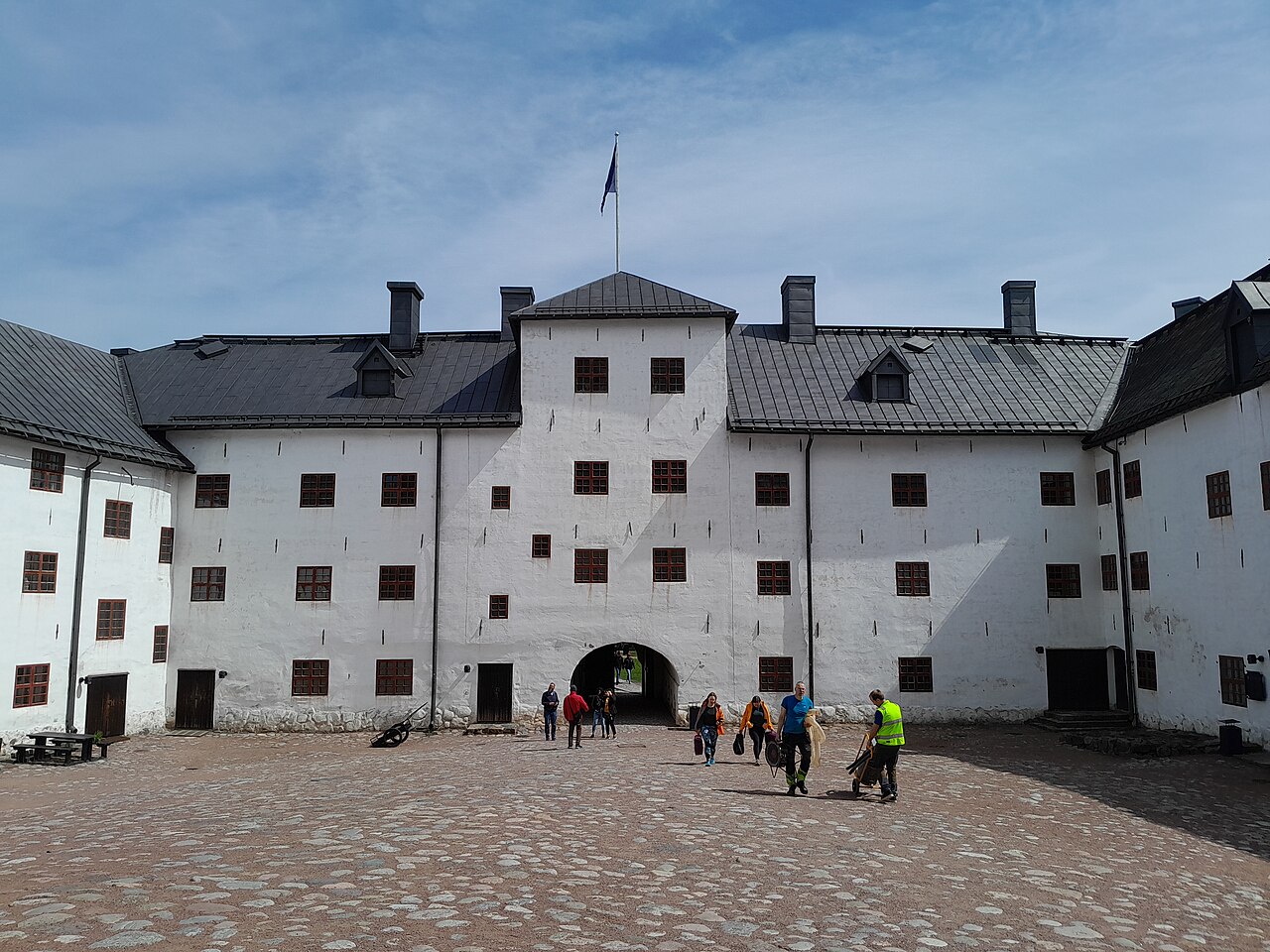
But the castle didn't settle for being a small fort. Century after century it was built up, with thicker walls, halls, living quarters and towers, until it had grown into the country's largest medieval building: a grey stone colossus throning over the river.
And from here Österland was governed. Here sat the power, the law and the sword, over a land that didn't yet know it would one day be called Finland.
.jpg)
Castle-lords and freebooters
The next two hundred years were no place for the weak. Turku Castle was not just a fortress but a seat of power, and whoever held it held, in practice, all of Finland.
Here resided the mightiest men of the Middle Ages. One of them, the magnate Bo Jonsson Grip, brought nearly all of Finland under his control, and large parts of Sweden besides. The castle at the river mouth was the heart of a domain the distant crown could barely touch.
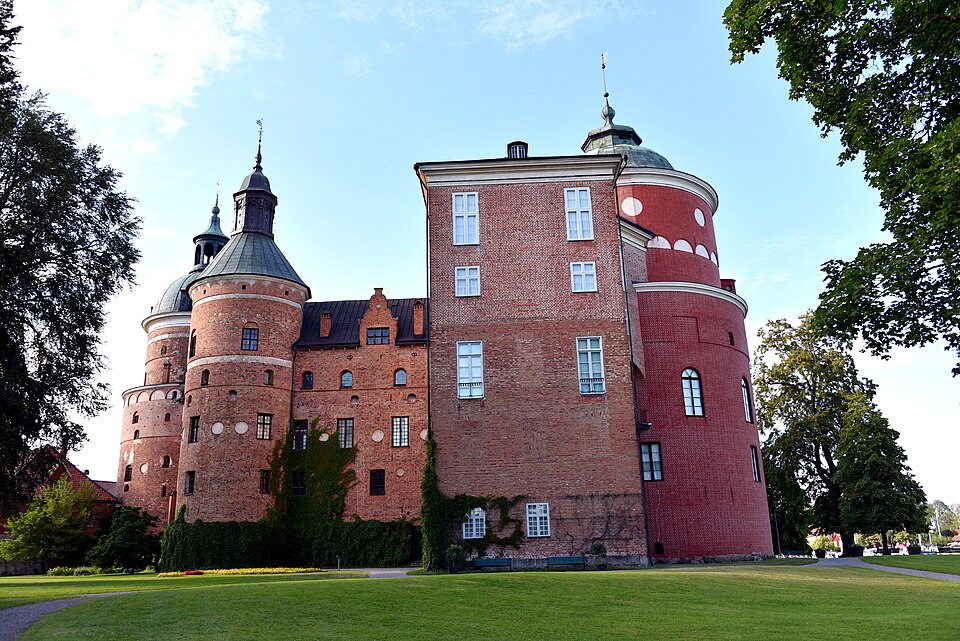
And it was a dangerous sea. The Baltic teemed with pirates, and the worst of them, the Victual Brothers from Gotland, ravaged the coasts. The strange thing is that they weren't always fought from here. In the 1390s the castle's own lord, Knut Bosson Grip, is said to have let them make camp at Turku. The line between the crown's fortress and the pirates' den was, to put it mildly, blurred.
How grateful the town's burghers were we'll likely never know, but the Victual Brothers are said to have plundered even the cathedral across the river. Such was the order at the realm's edge: the one meant to protect you and the one who robbed you could be the same man.
Through all of it the castle grew. Century by century new walls and towers went up, the keep stood finished in the early 1400s, and power over Finland passed from hand to hand, between kings, union lords and rebels. But the castle stood firm, grey and heavy. It was waiting for its golden age, which had not yet come.
The court at the edge of the realm
And then, at last, it came — the golden age. But it didn't arrive as thicker walls or heavier guns. It came as light, art and music.
In 1556 Gustav Vasa's son John, Duke of Finland, made the castle his home, and he was not content with a cold border fortress. He wanted a court — a real Renaissance court — here at the far northern edge of the world.
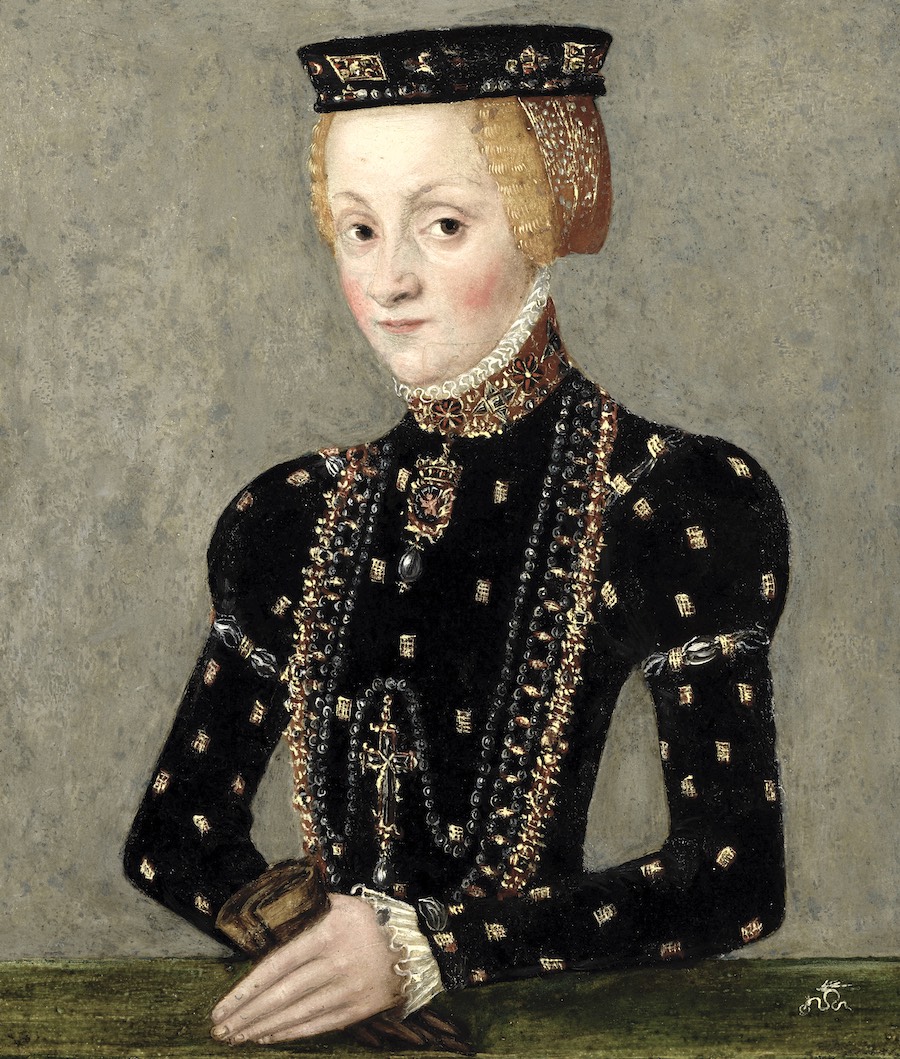
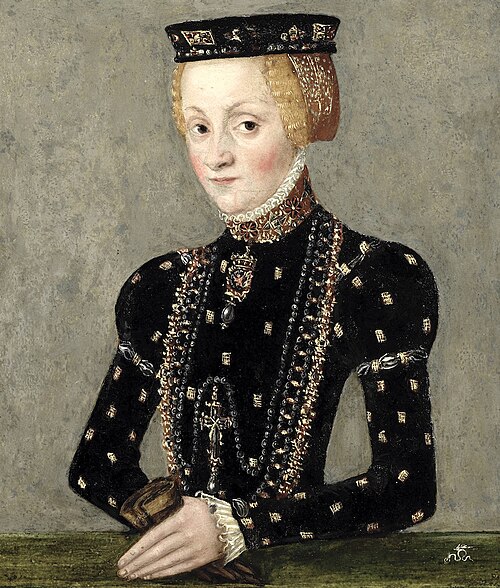
And in 1562 he brought one home. Catharina Jagellonica was a daughter of the Jagiellons, the house that ruled Poland and Lithuania, and her mother was Bona Sforza of Milan — Italy ran in her blood. Italian tutors had raised her to read and write Latin, German and Italian, to ride, dance, sing and play; she was, by any measure, one of the most cultivated women in Europe. Ivan the Terrible himself had asked for her hand. She chose, instead, a Swedish duke and a grey castle on the rim of Finland.
They were married in Vilnius, and exchanged rings cut with three words — Nemo nisi mors, nothing but death. The promise would be tested sooner than either of them could have guessed. She came north bearing what Finland had never seen: Italian books and paintings and music, a Catholic, cosmopolitan refinement set down in the middle of the harsh Lutheran north.
And the grey colossus, built for war, began to glow. John fitted out grand new apartments — the King's Hall and the Queen's Hall — and filled them with feasting and music; banquets were laid with dishes no one in the region had ever tasted. This was the castle's golden age. Never before, and never again, would it glitter like this.
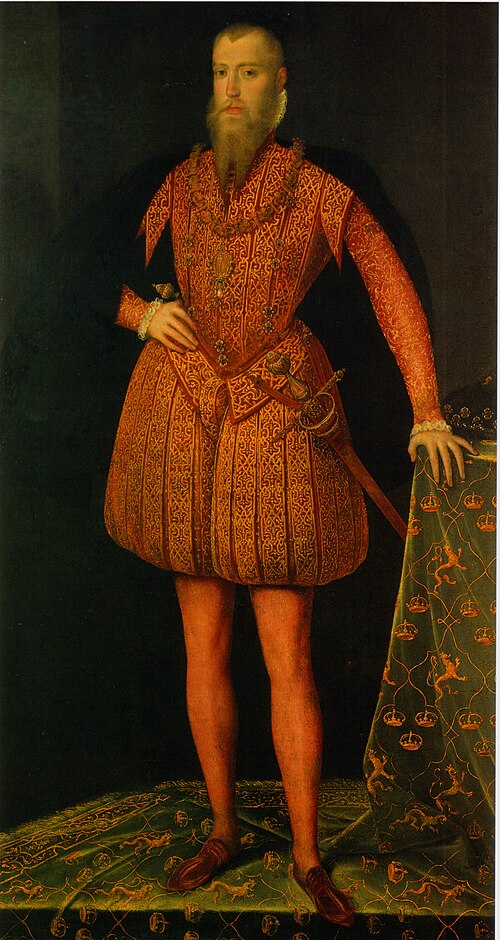
But John had a brother on Sweden's throne, and Erik XIV looked at all of it — the Polish marriage, the borrowed foreign money, the duke playing at king on the far side of the sea — with anything but pleasure. The splendour would not be allowed to last.
Brother against brother
But the splendour carried a crack, and it ran straight through the family. Duke John's older brother was the king — Erik XIV, who had inherited their father's throne and their father's suspicion. And what Erik saw in Finland he did not like: a younger brother running his own foreign policy, marrying into a great Catholic dynasty without leave, lending Swedish money to Poland and taking Polish castles as security. That was not how a duke behaved. It looked like a rival quietly building a kingdom of his own on the far side of the sea.
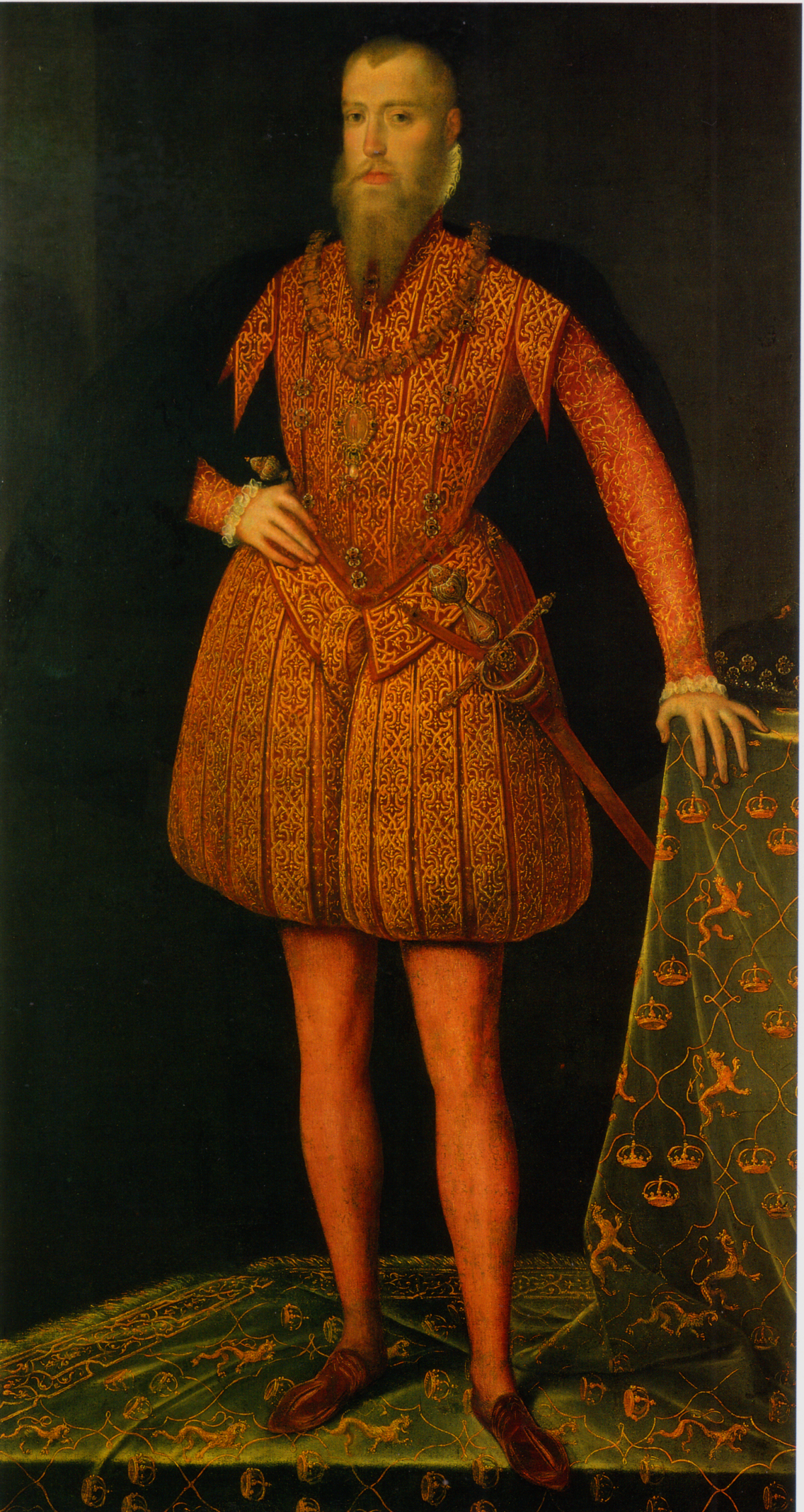
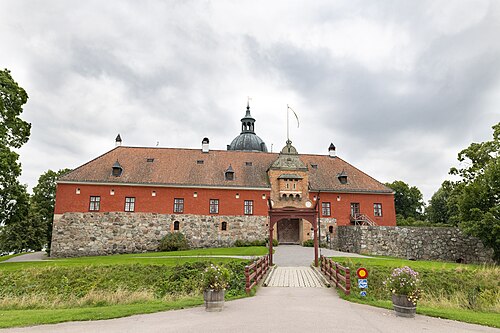
In 1563 Erik settled it the direct way. A royal army crossed to Turku, and the castle's own cannon — cast to face Russians and pirates — swung round and fired on the king's own army, on the order of the king's own brother. The walls held but the cause was hopeless; John surrendered and was carried across the water to a cell in Gripsholm Castle. Erik offered Catharina her freedom — she could go home to Poland and leave her husband to rot — and she refused. The tale the age told — that she answered by pointing to the three words cut in her wedding ring, nothing but death — may be legend, but the choice was not: she followed him into the cell. And when her old suitor Ivan the Terrible pressed his claim once more, and Erik agreed to ship her east to Moscow, only the coming coup spared her the journey. Through all four years she stayed at John's side, and there bore a son — Sigismund, who would one day wear the crowns of both Poland and Sweden, and who came into the world inside his uncle's prison.
What became of that king belongs to his own page. The brother who won here, Erik XIV, would lose everything that mattered — his reason, his crown, and at the last his life — undone by the same Vasa suspicion that had sent his army across this water. What the grey castle on the Aura remembers is only this: it had watched the feud between the brothers begin, and it was not yet done taking in prisoners. For when Erik fell, the next royal captive these walls received would be his queen.
The captive queen
When Erik fell, so did the one who had stood closest to him: his queen. The castle, long used to holding prisoners, soon took in its most unforgettable. A few decades earlier these halls had glowed for a foreign princess raised among Italian tutors; now they closed around a queen of the opposite kind — Karin Månsdotter, a soldier's daughter of the humblest birth, whom Erik had lifted all the way to the throne.
Her story sounded like a fairy tale, and she was barely old enough to live it. The daughter of a soldier turned jailer, a servant girl in a court musician's household, she caught the king's eye while still a teenager. How Erik came to marry her, and to set Sweden's crown on her head, is his page's story to tell; this page takes her up where the fairy tale dropped her — a servant girl of seventeen, suddenly a queen.
And here the castle's two queens quietly rhyme. Catharina had followed her husband into a cell and refused to leave him; Karin had done something just as hard — she stayed at Erik's side as his mind came apart, the only one who could calm the raving king. Two women, two ruined men, the same refusal to walk away. But loyalty is not luck: Catharina's husband walked out of prison and onto a throne; Karin's lost his crown, his reason, and in the end his life.
For the fairy tale did not hold. The year the crown touched her head, Erik lost his, and when the brothers toppled him everything she had won fell with it. The two were locked away, and the lives of their small children — Sigrid and Gustav — were scattered by the fall. In time she was parted from Erik himself, and carried across the sea to Turku.
Between 1573 and 1577 she was held here, in this grey castle, cut off from husband and children alike. There was a bitter symmetry in it: the jailer's daughter now sat locked in a prison of her own, in the same stone that had watched one brother cage another.
But her story does not end in the dark. When Erik died in 1577 she was freed, and Johan III — whose own wife had once chosen a prison cell over leaving him — granted her the manor of Liuksiala in Finland. There she lived her last thirty-five years in peace, loved by the district around her. She died in 1612, and lies to this day in Turku Cathedral, across the river from the castle that once held her captive. The soldier's daughter who became a queen found her peace at last — in Finland, for good.
%2C_historisk_scen_f%C3%B6rest%C3%A4llande_Erik_XIV_och_Karin_M%C3%A5nsdotter_med_sonen_Gustav%2C_1858.jpg)
Fire, grain and the long fall
After kings, dukes and queens, a quieter but almost crueler fate was waiting: to be forgotten.
In 1614 it burned. A devastating fire swept through the castle and left its grand apartments in ruins; the splendour John had lit went out in smoke, and this time no one relit it.
And yet the castle had one last great man in it. In the mid-1600s Finland was governed from here by Count Per Brahe — Sweden's Lord High Steward, one of the mightiest nobles in the realm, and twice Governor-General of Finland. He took the work seriously in a way the country never forgot: he reformed the administration, laid down a postal system, founded a dozen towns from the coast to the wilderness, and in 1640 opened the Royal Academy of Turku — Finland's first university, on the river just beneath this castle. The land thrived under him so completely — the tradition holds — that four centuries on, Finns still say kreivin aikaan — "in the count's time" — to mean simply: at the right time, the good time. The words cut into the base of his statue say it better than any chronicle: "I was well pleased with the land, and the land with me."
But Brahe was the last of his kind, and when he was gone the castle's purpose went with him. Power was moving — to Stockholm, to a centralised state that no longer ruled its provinces from a great lord's hall — and a fortress that had been the heart of the east slowly became something the new age had no use for.
And so came the long, humiliating fall. The castle that had held kings and queens and a Renaissance court now held grain and prisoners. The halls that had glowed with Catharina's music became storerooms and granaries; from the 1700s into the late 1800s the cells held not princes but common folk, petty offenders at the edge of a half-forgotten empire. Century by century the grey colossus decayed, half in ruins, until by the 1800s it was little more than a picturesque wreck at the mouth of the river.
But a castle that has stood seven hundred years does not give up so easily. The worst — and the most beautiful — still lay ahead.
_-_Google_Art_Project.jpg)
Bombed, burned and reborn
The worst came from the air. During the Continuation War, in 1941, Soviet incendiary bombs rained over Turku, and the castle burned again. The fire that had once broken its golden age was back, and this time it fell from the sky.
The blaze devoured the wooden interiors and halls that had been painstakingly kept through the centuries. Seven hundred years of stone had held, but wood burns. For a while it looked like the end.
But this time the castle rose again. What followed was not decay but rebirth. Stone by stone, hall by hall, it was built up anew, patient work that went on for decades, until in 1987 it stood whole once more.
And today, more than seven centuries after the first Swedes stacked stone at the river mouth, the castle lives. It is one of Finland's most visited museums, filled each year by well over a hundred thousand people. And in the halls where a duke was once led away in chains, weddings are now held.
Built as a weapon against the east, it has been court and prison, ruin and burned-out shell. It has seen brothers betray each other and queens fall. And still it stands, grey and stubborn, at the same river mouth where it all began. Not because it never burned, but because it never gave up.
.jpg)
%2C_historisk_scen_f%C3%B6rest%C3%A4llande_Erik_XIV_och_Karin_M%C3%A5nsdotter_med_sonen_Gustav%2C_1858.jpg)
_-_Google_Art_Project.jpg)