The watchman at the river-mouth
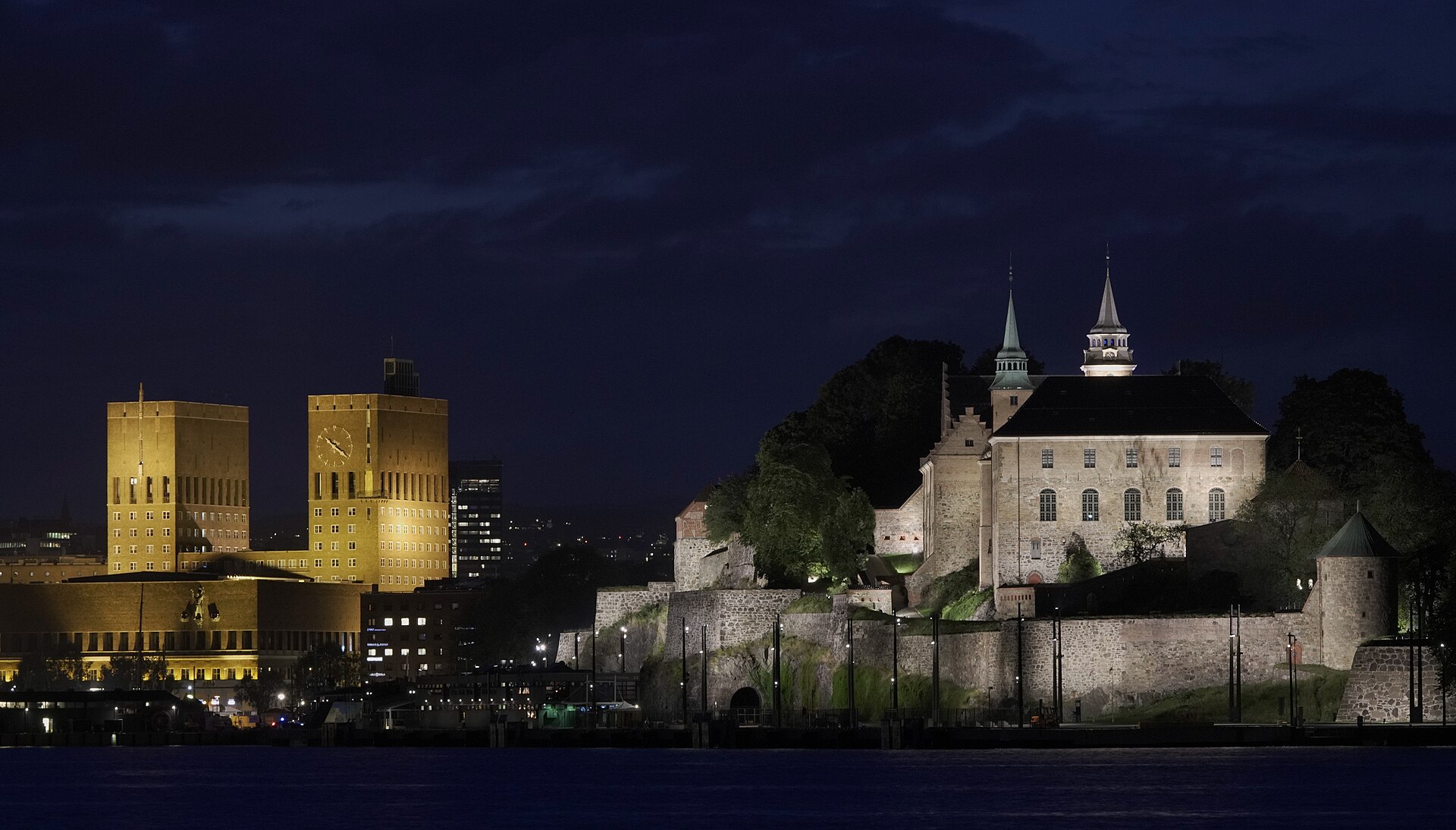
Stand on the point at Akersnes and you understand the whole thing in a single breath. The rock falls away into the fjord on three sides, sheer, and the water that licks it is the same water that carries every ship toward Oslo. Nothing reaches the harbour without first passing under this stone. That is not an accident of geography. It is a decision — and we know the man who made it.
In 1287 a Norwegian earl named Alv Erlingsson sailed into Oslo and harried the town almost as he pleased, then left when it suited him. The city had no answer, and Håkon V Magnusson did not forget it. In 1299 he did a thing no king before him had dared: he moved the seat of the realm east — away from rich, comfortable Bergen and its trade routes — to this smaller town on the frontier, where Sweden pressed close. He set masons to work on the rock at the harbour's mouth, building a watchman of stone so that no city of his would ever again stand naked before the sea. He would not live to see all it became. But what he raised there would stand for seven hundred years, and in all that time no foreign army would ever take it by force.
Its first test came while the mortar was barely dry. In 1308 the Swedish duke Erik Magnusson — ambitious, charming, forever one scheme ahead of his own brother the king — laid siege to the half-finished walls with Norwegian malcontents at his side and a grievance dressed up as a claim. The walls held. The rock did its work — there was no soft side to come at — and before Erik could force a breach, a Norwegian army gathered out of the countryside and fell on the besiegers in the streets of Oslo. They broke, and went home.
History keeps a strange sense of humour. A few years later that same Duke Erik married Ingeborg, Håkon's only child. Their son, Magnus, would inherit Norway and Sweden both and rule the two realms from a single throne. The man who came to take the fortress by force had fathered the boy who would one day own it by blood.
The fortress that never fell
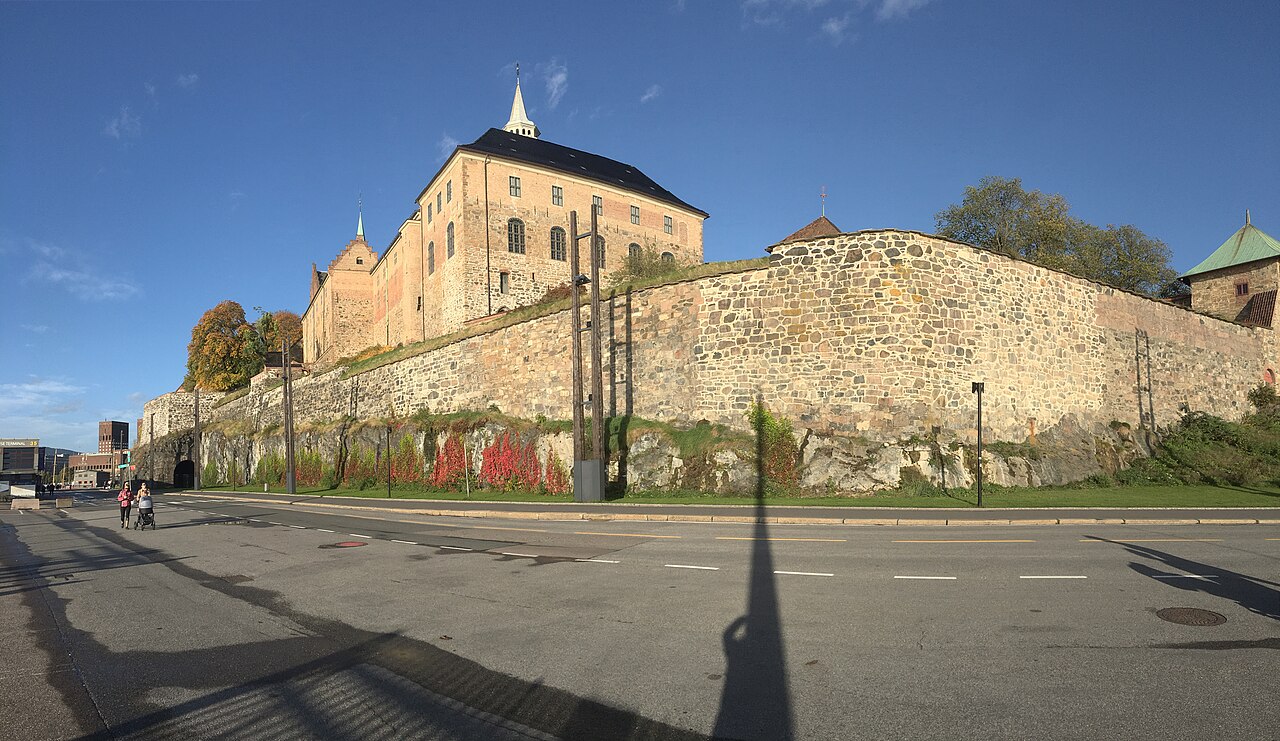
For three centuries after Duke Erik, the pattern simply repeated itself. The Swedes came in 1450, and again in 1523, and each time the rock at the harbour's mouth sent them home again. The castle was rebuilt, reinforced, dragged across the generations from medieval keep toward modern bastion — but the essential fact never changed. You could not take Akershus by storm. The fjord guarded its back, the bedrock refused a breach, and the men inside had only to wait.
The most extraordinary proof came in 1567. A Swedish army was at the walls again, and the king's lord lieutenant — a man named Christen Munk — made a decision that tells you everything about what this place was worth. He could not feed an enemy he could not see. So he burned Oslo. The whole town, the king's own city, put to the torch by its own defenders, so that the besiegers would find nothing left to shelter in and nothing left to eat. The Swedes sat down in the ashes of a city that was no longer there, and in time they gave up and went away. Behind the smoke, the fortress had not yielded an inch. To save the stone, they had spent the town. That is the kind of fortress Akershus was.
The last great siege arrived in 1716, and it came with a celebrity. Karl XII of Sweden — the warrior-king who had broken the Russians and the Poles and the Saxons and terrified half of Europe — marched into Norway with seven thousand men, took Christiania, and turned at last to face the rock that had refused every Swede before him. He had everything but the one thing that counted: heavy guns. Without siege cannon there was no answer to the walls, and the walls knew it. The man who had conquered armies sat outside Akershus and simply could not get in. He withdrew, bled and humbled. Two years later a bullet found him at another Norwegian fortress in the winter dark, and the age of Swedish empire went into the ground with him.
Four centuries, now, the fortress had stood, and the ledger was spotless. Every enemy that ever came against it left without it. Every single one. Which is why what happened in the spring of 1940 is so hard to forgive.
The crown at the water
A fortress is built to keep enemies out. But the men who hold it discover, sooner or later, that the safest room in the kingdom is also the best place to rule from. By the middle of the fourteenth century Akershus was no longer only a wall. It was a throne.
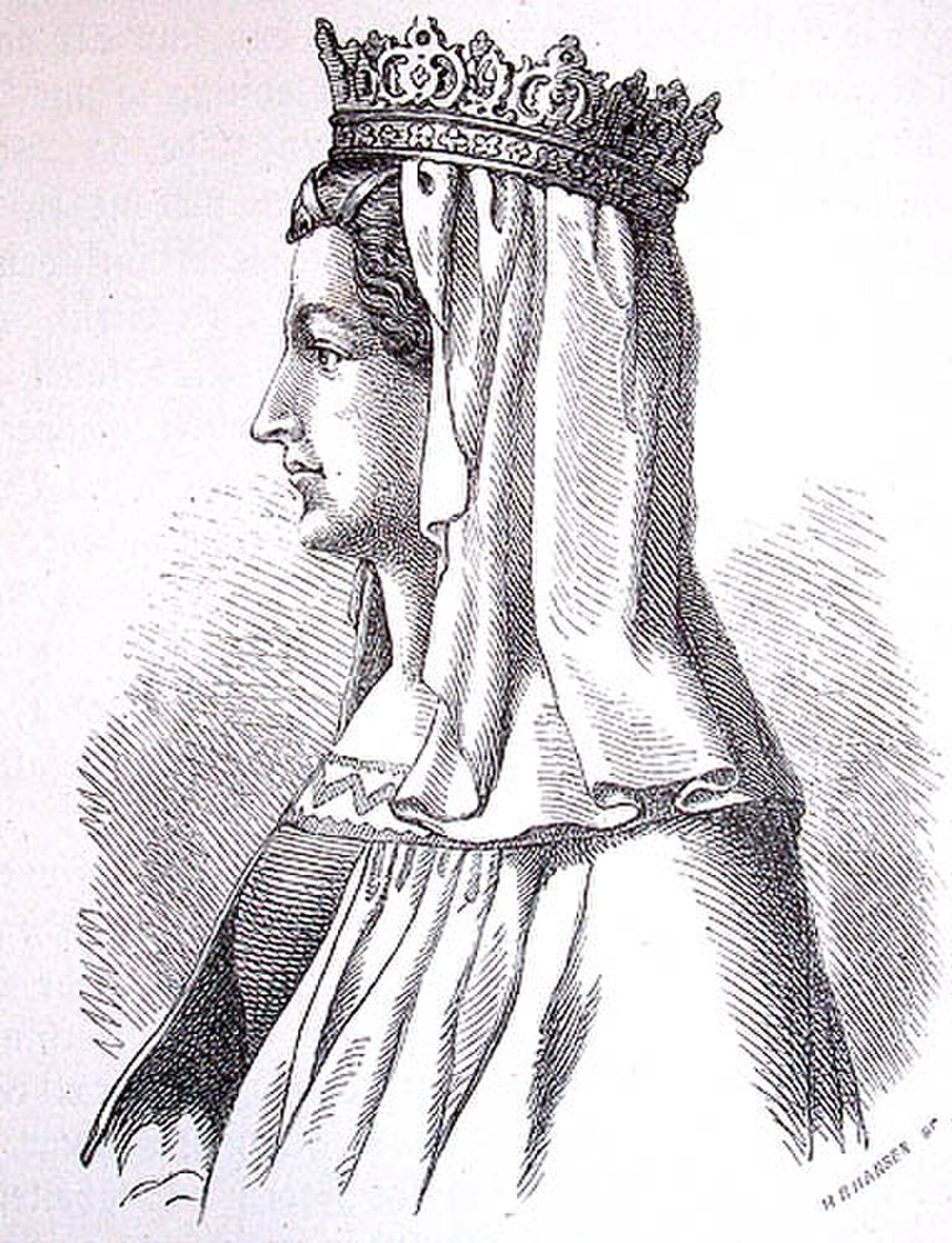
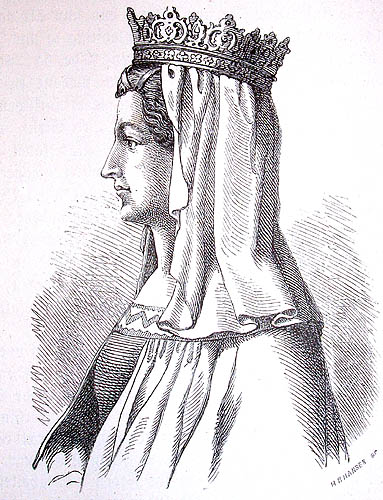
In 1363 a Danish princess of ten years old named Margrete was married to Håkon VI, king of Norway — the son of that same Magnus who had inherited the realm from Duke Erik's blood. She came to live behind these walls, a child queen on the eastern frontier, and in 1370 she gave birth here, in this castle, to a son: Olav. She was seventeen.
History does not often hand you a person like Margrete. The girl who bore her son in this castle would go on to gather Denmark, Norway and Sweden into her own two hands and bind them, in 1397, into a single union — the largest realm the North had ever seen, three kingdoms under one crown. How she did it is a story all her own, and a staggering one. What belongs to Akershus is where it started.
It started here. The boy through whom she first held a crown was born behind these walls — so whatever else this fortress is, watchman and prison and the king's last home, it is also the cradle of the union of the North. Stand at the water's edge, and you stand where Scandinavia, for a hundred years, was decided.
Christian IV's city
For three centuries the town of Oslo had huddled at the foot of the fortress in timber and thatch. On the morning of 17 August 1624 it burned — a fire that ran for three days and left almost nothing of the medieval city standing.
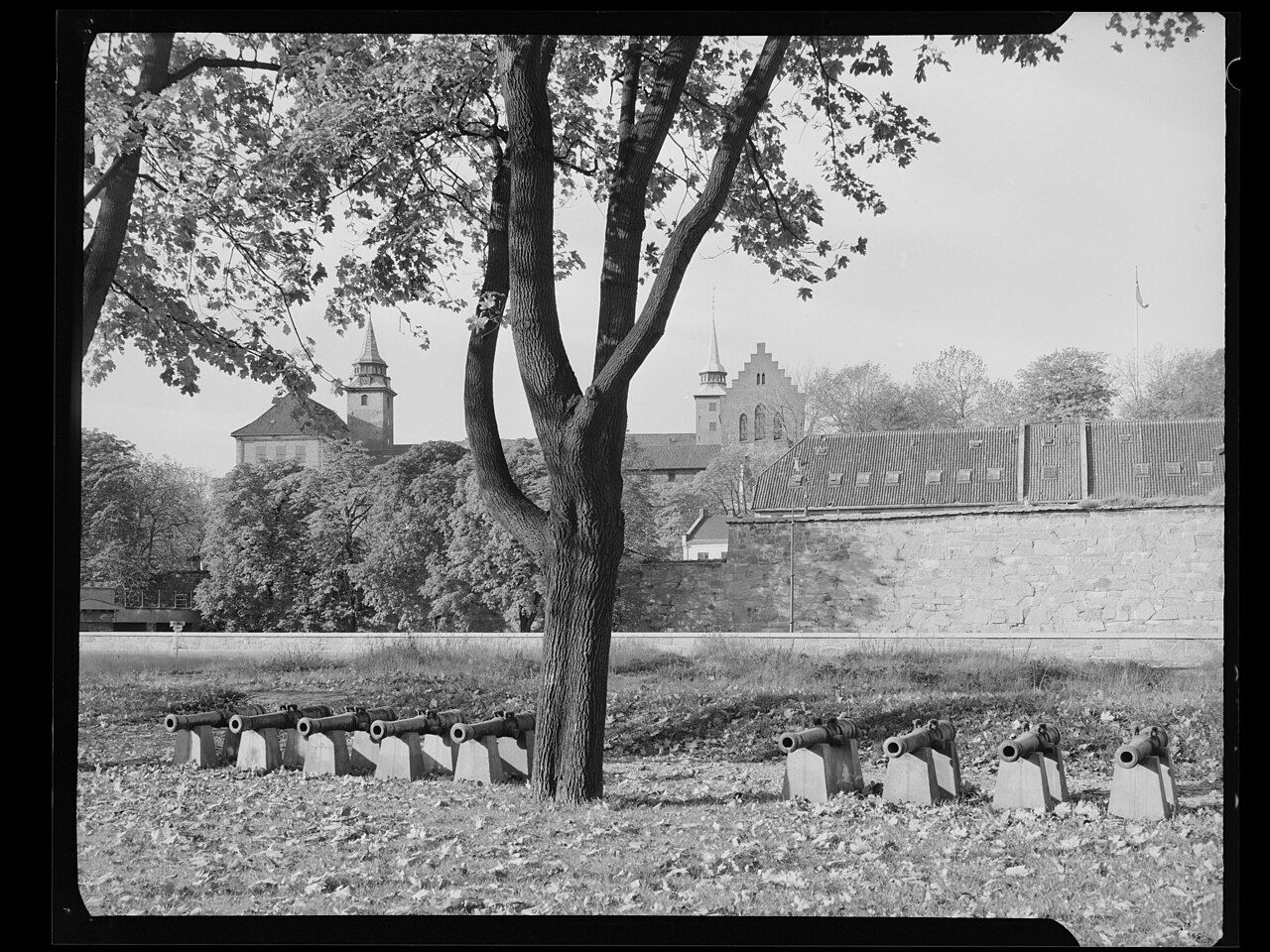
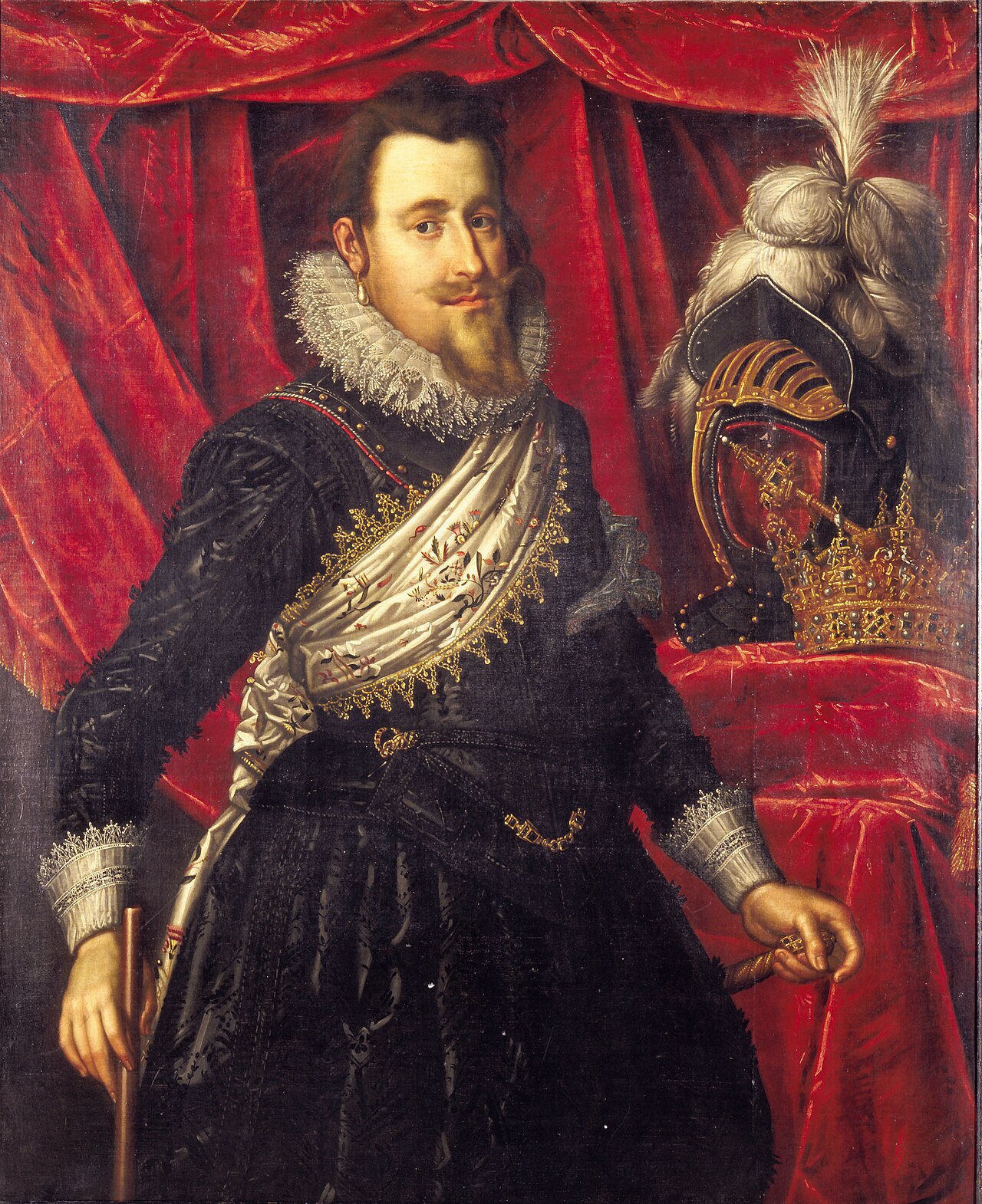
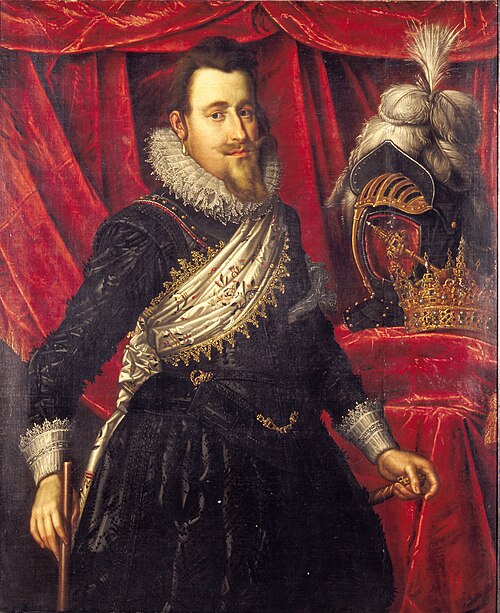
The king of Denmark-Norway was Christian IV, and he was the kind of king who saw opportunity in ashes. He was a builder by temperament — he raised more towns, churches and fortresses than any Scandinavian monarch before or since — and he looked at the ruin of Oslo and decided not to rebuild it where it had stood, but to move it. He dragged the whole city west, in under the very guns of Akershus where the fortress could shelter it, and laid it out new: wide straight streets crossing at right angles, stone and brick instead of wood, a Renaissance grid built so that fire could never again devour it whole. And he named it, with the modesty common to kings, after himself. Christiania.
The city would carry his name for three hundred years — it did not become Oslo again until 1925. The old medieval keep at its heart was rebuilt to match the new age: thick angled bastions thrown out to deflect cannon-fire, a fortress hauled forward out of the Middle Ages and into the modern world. Christian IV had not merely rebuilt a city. He had wrapped it around the rock, so that from then on the city and the fortress were one body.
The Slavery
Every fortress that outlives its wars becomes something else, and what Akershus became was a prison. They called one part of it Slaveriet — the Slavery — because the men held there could be hired out by the day to labour in the city, chained prisoners carrying the burdens of the free. For centuries the rock that had guarded Norway's kings now held Norway's condemned.
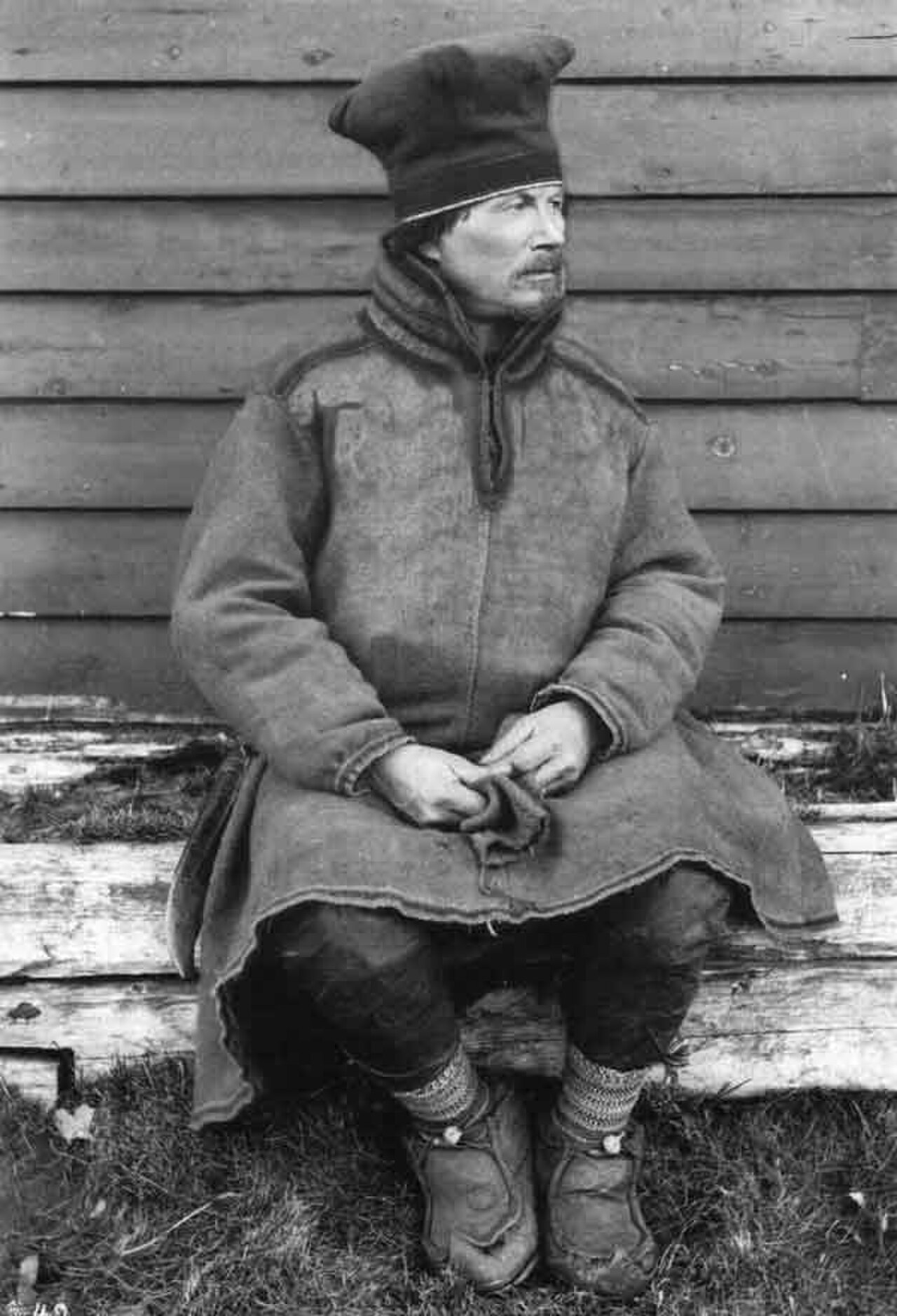
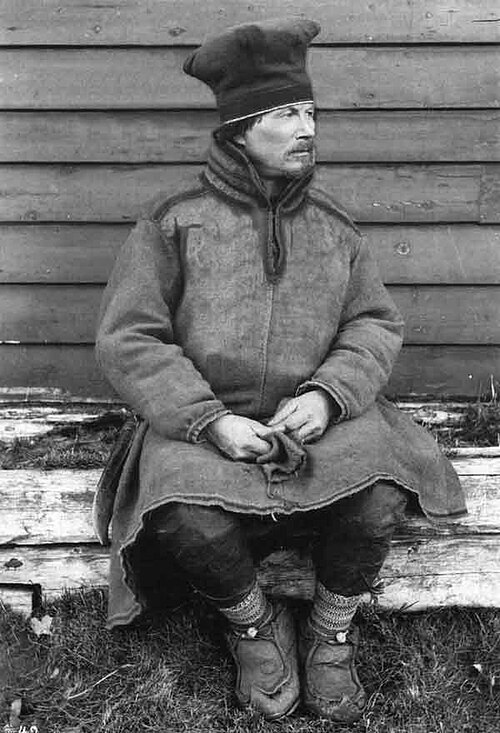
The saddest of them came from the far north. In November 1852, in the Sámi village of Kautokeino, a group of Sámi rose against the local authorities — a revolt with roots in a religious awakening, the liquor trade, and long injustice. It was put down hard. Two leaders, Aslak Hætta and Mons Somby, were beheaded in Alta. The rest of the men were sent the entire length of the country to Akershus — to a stone fortress beside a southern sea, about as far from the reindeer-plains of home as Norway could send a man. Several of them died there, in a cold that was not their cold, among a people that was not theirs.
But one of them did something with the dark. Lars Hætta had been eighteen when the cell door closed on him. In his years inside Akershus he was given paper and time, and he used them to translate the Bible — the whole of it — into Northern Sámi, for the first time in history. A man locked in the king's old fortress, a thousand miles from everything he loved, kept his entire language alive on the page. The fortress took his freedom. It could not take his tongue.
The gate it finally opened
And then, after six hundred years, comes the morning the whole story has been holding its breath against.
Before dawn on 9 April 1940 a German fleet came up the Oslofjord in the dark, under orders to seize the capital, capture the government, and take the king. They never reached the harbour. Thirty kilometres south, where the fjord narrows to barely five hundred metres at Drøbak, the old guns of Oscarsborg fired on the lead cruiser Blücher and sent her to the bottom with hundreds aboard. The few hours that bought were the most important hours in modern Norwegian history — enough for the train to leave, enough for King Haakon VII and his government to get out of Oslo and away to the north, refusing to surrender, refusing to make a traitor's coup legal with a signature.
But the city they left was open, and Akershus with it. There was no holding a medieval-and-Renaissance fortress against aircraft and modern artillery — and no sense in trying, when to fight from the rock would only call down the bombing of the city wrapped around it. So the fortress that no foreign army had taken in six centuries of sieges was simply handed over. No breach. No storm. No last stand. The gate opened, and the Germans walked in.
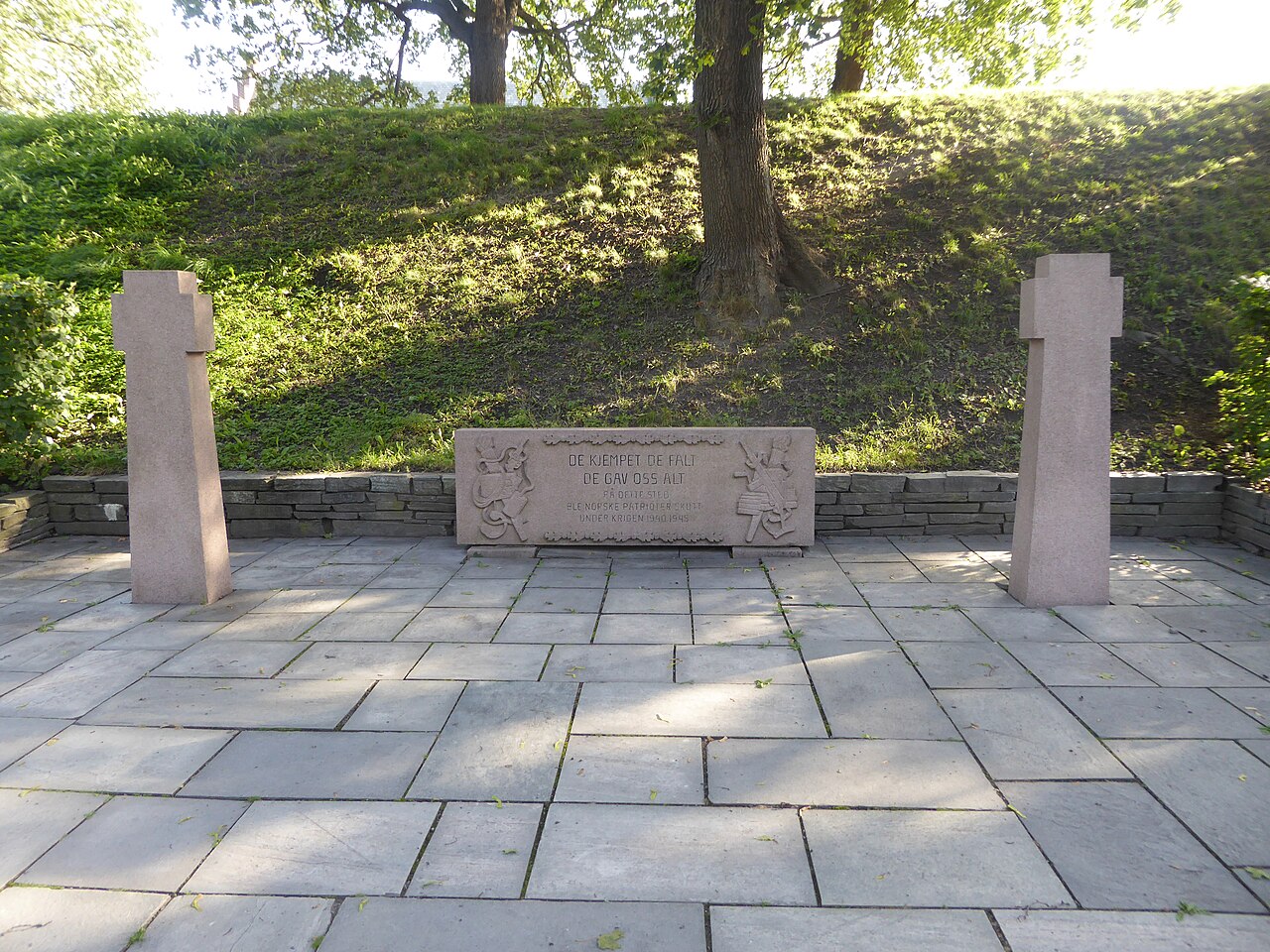
And here is the part the stone will not forgive. The occupier used Akershus as the Swedes and the dukes never could. Within these walls — the walls that had outlasted Karl XII himself — Norwegian resistance fighters were stood against the stone and shot. The fortress that had once spent a whole town to keep one enemy out now housed the execution of its own.
Dawn, and the king comes home
Five years. For five years the swastika flew over the rock at the harbour's mouth, and the king was an old man in London, speaking to his country down a radio wire.
Then it broke. Germany fell, the occupation ended, and on 7 June 1945 King Haakon VII came back up the Oslofjord on a British cruiser and stepped ashore in his capital — on the seventh of June, exactly five years to the day since he had been carried out of Tromsø into exile. Five years out, almost to the hour; now five years home. A whole nation came down to the water to meet him.
Justice came to Akershus that autumn. Vidkun Quisling — the man whose name had become, in every language on earth, the very word for a traitor — was brought to the fortress he had helped hand to the enemy, and at twenty minutes to three in the morning on 24 October 1945 he was shot by a firing squad against its walls. He died on the same stone where the occupation had executed the men of the resistance. The fortress had waited. It usually does.
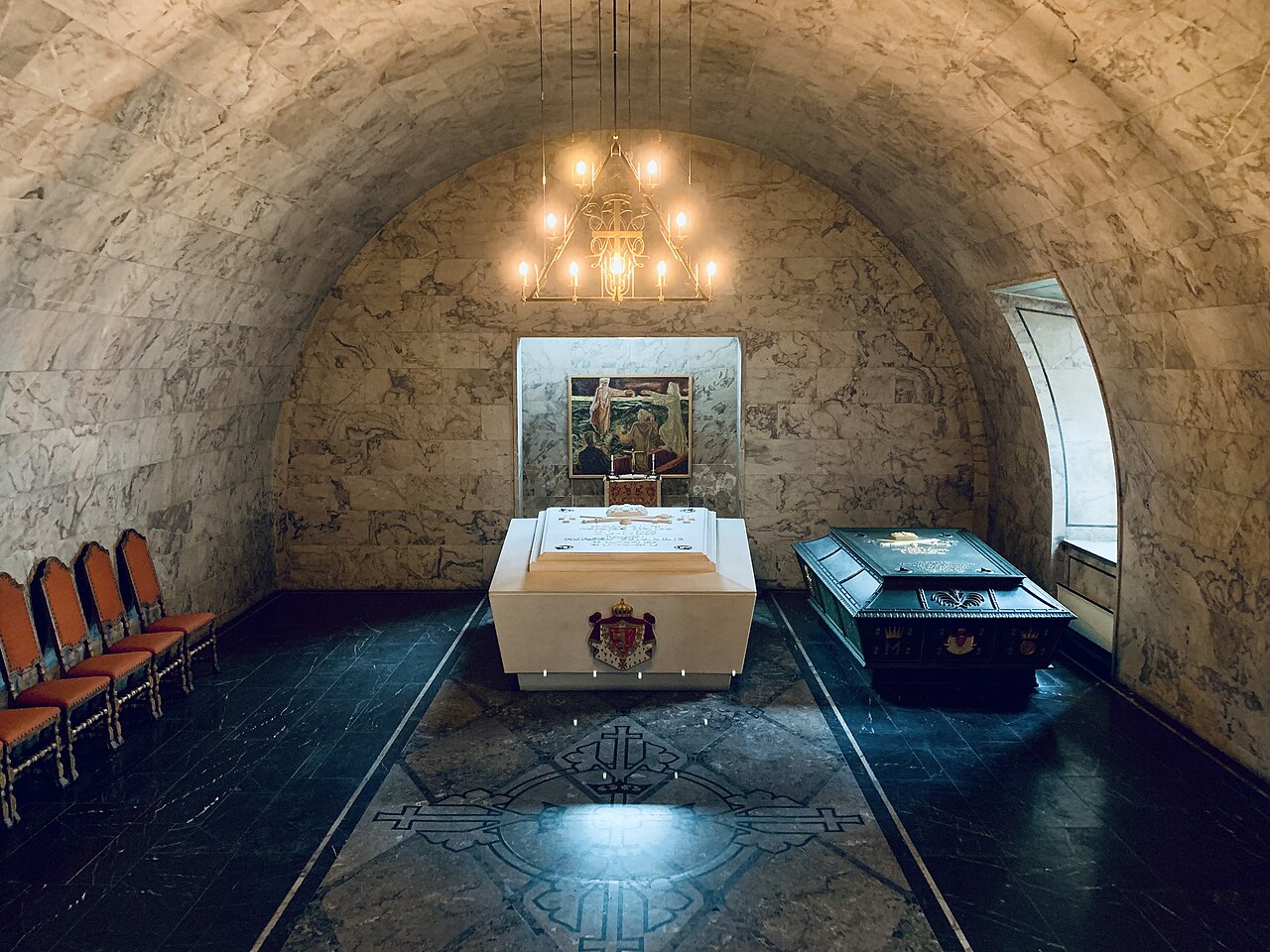
But the last image is not the traitor. It is the king. For inside Akershus, cut into the rock, there is a quiet chapel — the Royal Mausoleum — and in it, in a white sarcophagus of pale northern marble, King Haakon VII was laid to rest when his long life ended in 1957. He does not lie there alone. Set into the same walls, a few feet away, are the bones of another king: Håkon the Fifth, dead in 1319 — the man who first set masons on this rock, and raised the watchman at the river-mouth.
So it closes exactly where it opened. The king who built the fortress and the king who came home to it — two men, one name, six and a half centuries apart — sleep now in the same stone, at the mouth of the same fjord, where every ship still passes beneath the wall. The fortress kept its kings after all. It always meant to.
.jpg)
_(cropped).jpg)