He was the mightiest and richest subject medieval Sweden ever produced — and by 1374 he held about a third of the realm and the whole of Finland, more land than the king himself. This is the story of how one nobleman came to own a kingdom by lending it money, and how, when he died, the will he left behind toppled a king and helped forge the union that bound the North.
The kingmaker
He did not begin by seizing power — he began by handing it out. In 1363 the great men of the council, Bo Jonsson among the leaders, had had enough of King Magnus Eriksson, and they did something audacious: they crossed to Mecklenburg in Germany and invited a foreign duke's son, Albert, to come and be their king instead. Albert was proclaimed king at the stones of Mora in 1364; Magnus was beaten and taken the next year.
It was a calculated bet. A foreign prince with no roots in the country would owe his crown to the lords who gave it to him — and would be far easier to manage than a king of the old blood. By 1369 Bo Jonsson was Albert's highest official in the realm. He had not taken the throne. He had made the man who sat on it, and put himself at the king's right hand. The long game had begun.
The machine
What followed was less a conquest than an accounting trick run for twenty years. The crown was always short of money; Bo Jonsson always had it. So he lent — large sums, again and again — and when the king could not repay, the debt was settled the only way it could be: in land and castles, pledged to the creditor until the loan was redeemed. It never was. Each loan quietly became territory.
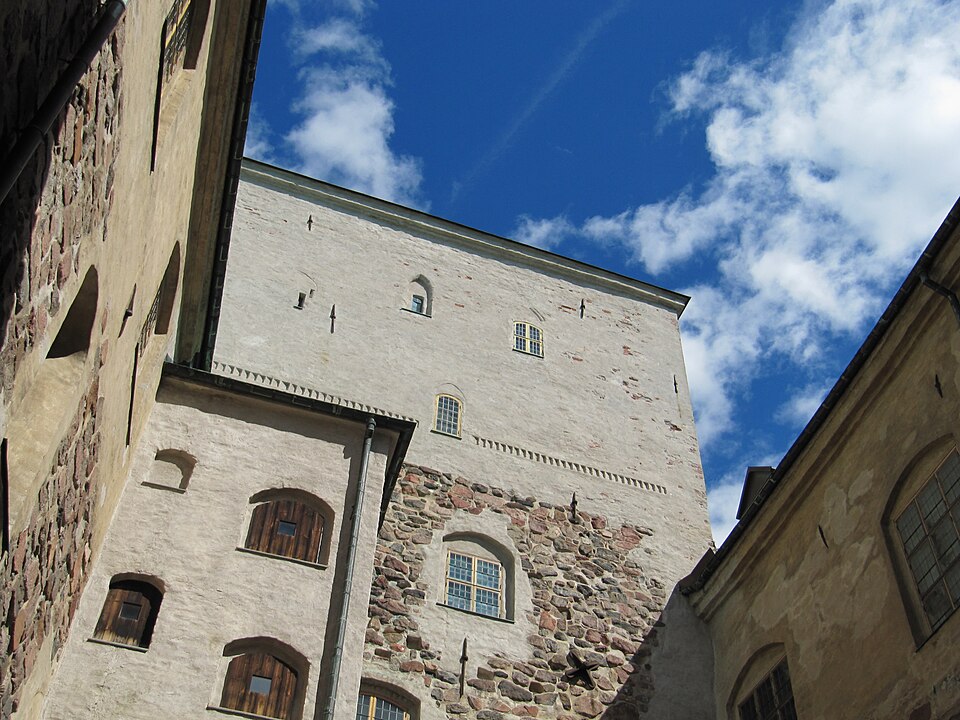
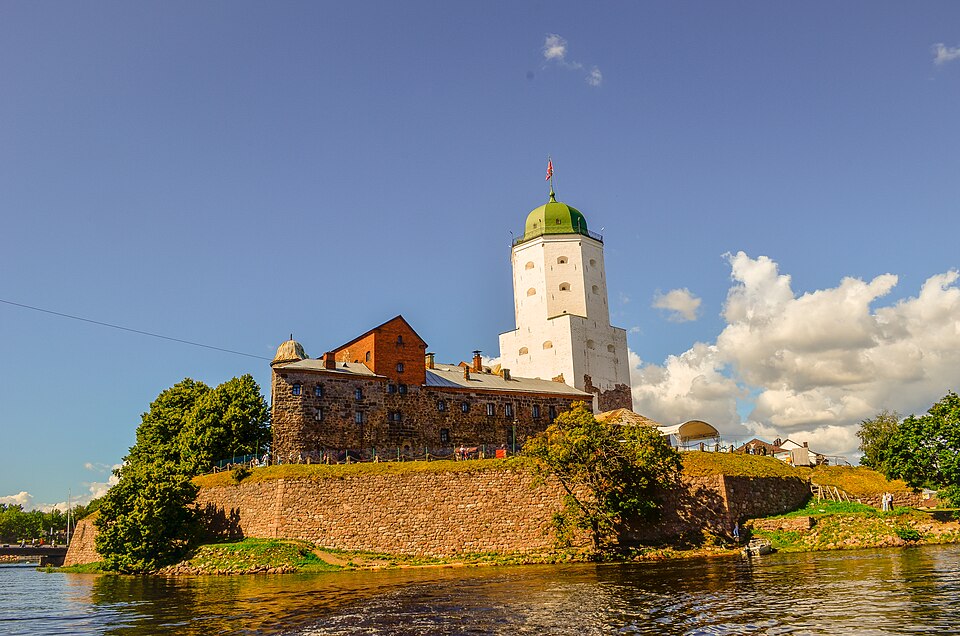
Castle after castle came due and stayed his — Åbo and Tavastehus and Viborg across the sea in Finland; Kalmar, Nyköping, Stockholm in Sweden, a dozen fortresses in all. He did not storm them. He bought the kingdom's debts and waited. A weak king who owed his throne to the lords could refuse them nothing, least of all the one who held his promissory notes.
More land than the king
By 1374 the sums were almost beyond belief. He held title to something like fifteen hundred farms across three hundred and fifty parishes, from Kalmar in the south to Falun in the north — and the whole of Finland besides. It was, a later scholar wrote, the greatest landed fortune ever assembled by a single private person in Sweden's history. He owned more of the realm than the crown did.
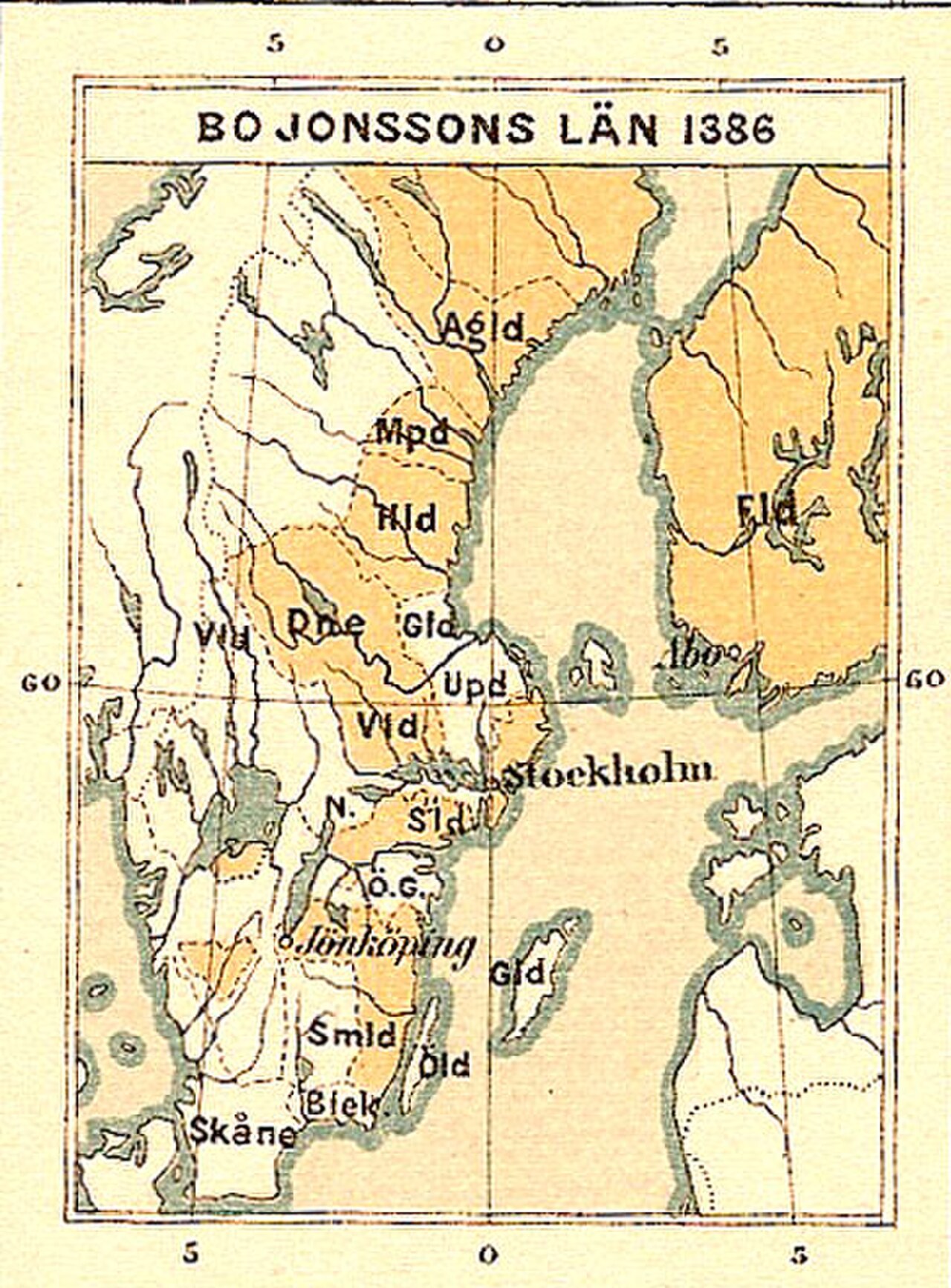
From his castles he governed a realm within the realm, answerable to almost no one. The king reigned; Bo Jonsson ruled the ground the king stood on. Whatever else may be said of him, he understood the one thing that outlasts a throne — that land is power, and that a man who gathers enough of it need not wear a crown to hold a kingdom.
The man behind the griffin
Who was he, behind all that land? The sources give two men in one. A financier of the first order, capable of dazzling generosity — and of a greed that knew no floor. An organiser ahead of his age, who built mills and harnessed water power and ran trade abroad, even as he bent the kingdom's debts to his own profit. Later chroniclers made him a villain, a crusher of peasants who took farms under the shadow of the prison tower — but that is moralising added long afterward, not the record of his own time.
.svg)
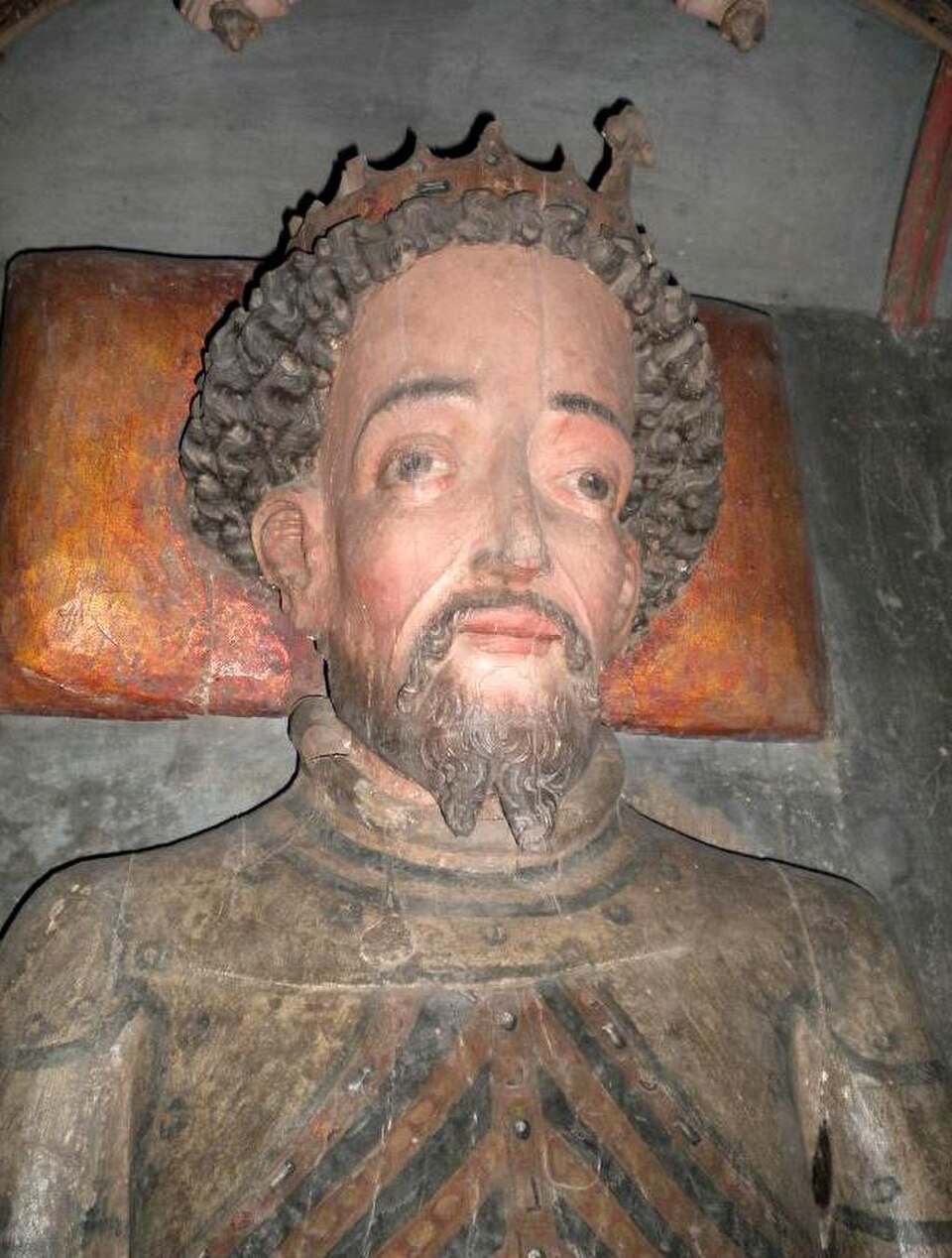
His arms bore a black griffin — grip, the grasping bird, the clutch of a claw. The name fit so well that it stuck to him forever: Grip. And yet he never used it himself; like the legend of cruelty, the name was hung on him by those who came after. No portrait of him survives, not a single likeness of his face. For a man who held more of the North than its king, history kept no face — only the griffin, and the grasp.
The dead hand
He died in August 1386 and was laid to rest in Vadstena Abbey. But his sharpest stroke came after death. He had seen the danger plainly: a fortune that size, left to ordinary heirs, could be pressured, married off, or seized — and the man most likely to seize it was the very king he had installed and then outgrown. So his will did something extraordinary. He left his entire empire not to his blood but to a college of about ten lords and bishops — among them Birger Ulfsson, son of Saint Birgitta — to govern it in his name.
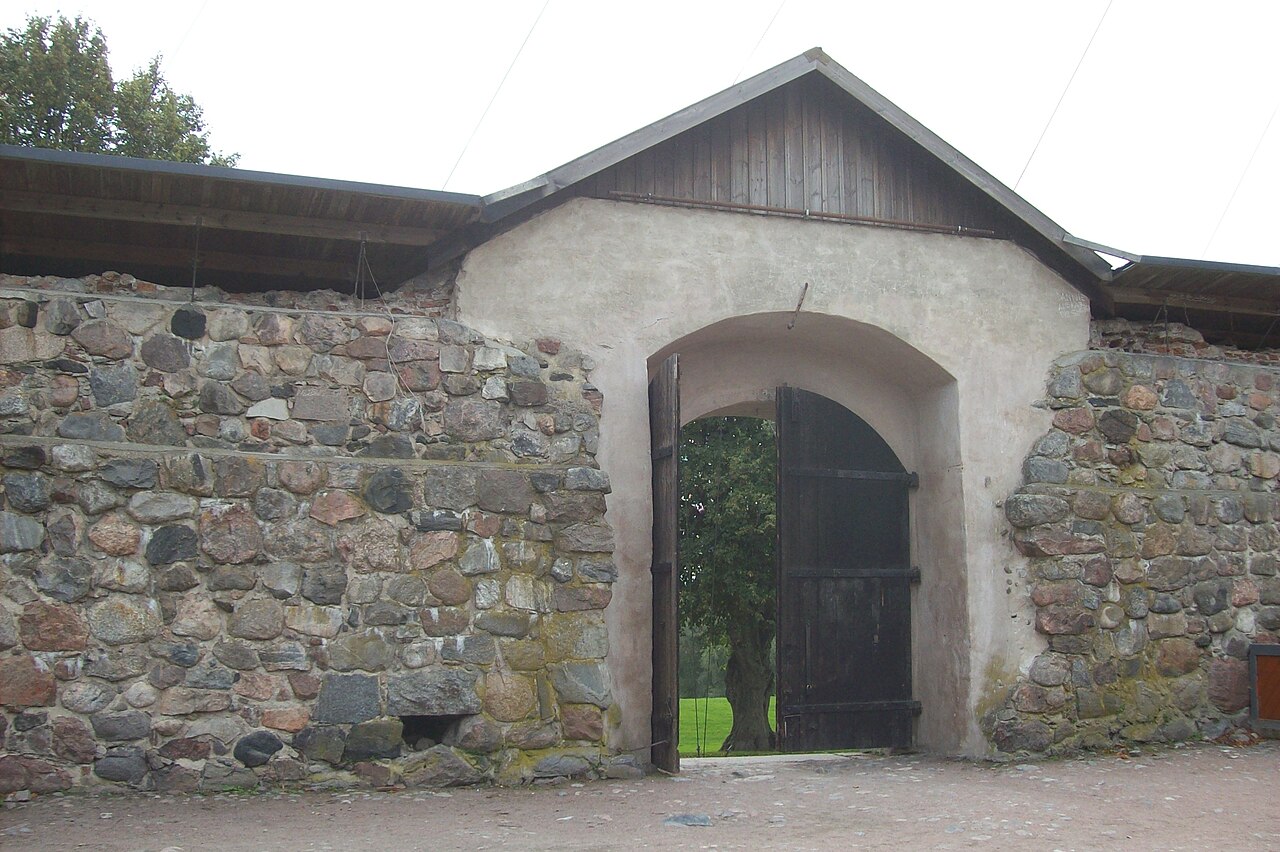
It was a dead man's hand still closed around the kingdom. The estates were locked away from King Albert by design, so that no foreign crown could ever fold them into a permanent base of power. Bo Jonsson lay in his grave, and still the king could not touch what he had built. But a fortune that large, held by no one and wanted by everyone, could not simply sit. The fight over it was coming.
The empire that outlived him
It came as he had feared. King Albert moved to seize the estates, and the lords who guarded them turned to the one ruler strong enough to stop him: Margaret, queen of Denmark and Norway. At Åsle, near Falköping, in February 1389, her army broke Albert's and took him prisoner — king and son both — and held him for years. The fight over one dead man's fortune had toppled a king.
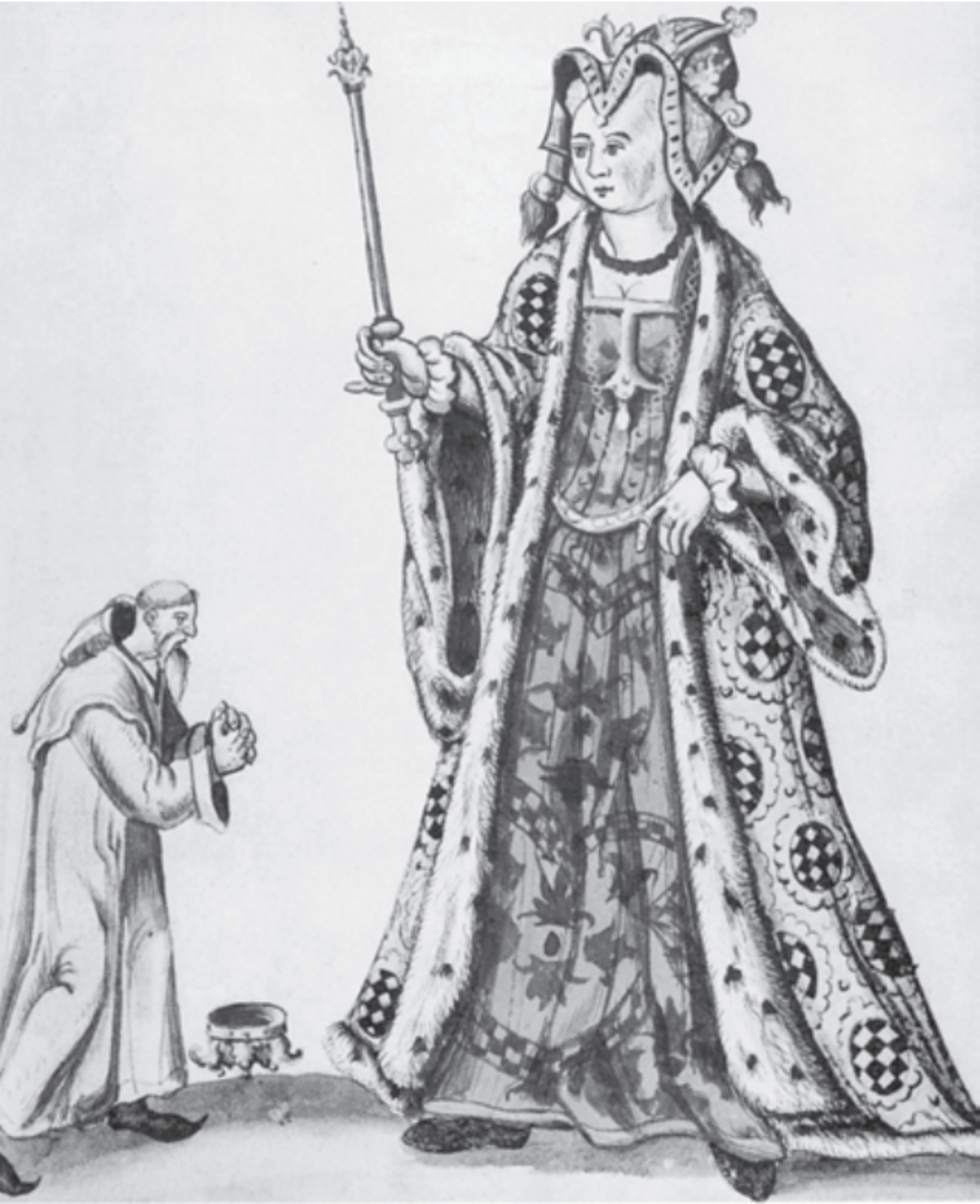
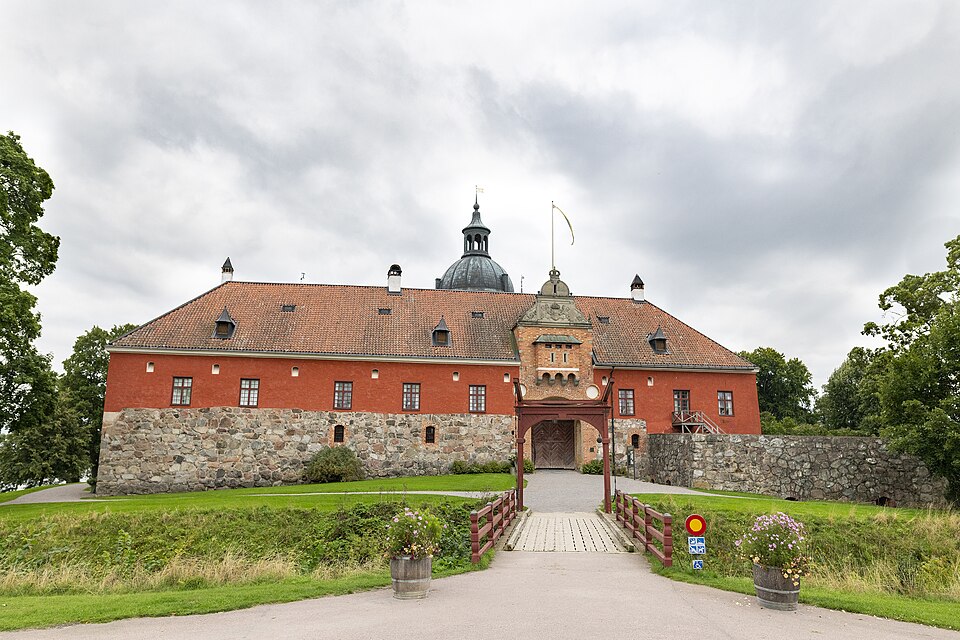
And it did not stop there. Margaret's victory made her mistress of three realms, and in 1397 she bound them into the Kalmar Union — the union of the North that would last more than a century. Bo Jonsson's lands passed to the crown; the castle he had built and named, Gripsholm, was sold to Margaret in 1404. A hundred years on, monks raised a charterhouse on his island and gave the town below it the name it still carries, Mariefred — the peace of Mary. The grasping man was long gone. But the empire he assembled, and the dead hand that would not release it, had helped forge the union that bound the whole North together.
_effigy_2010_(2).jpg)