Built by hand, from bare rock
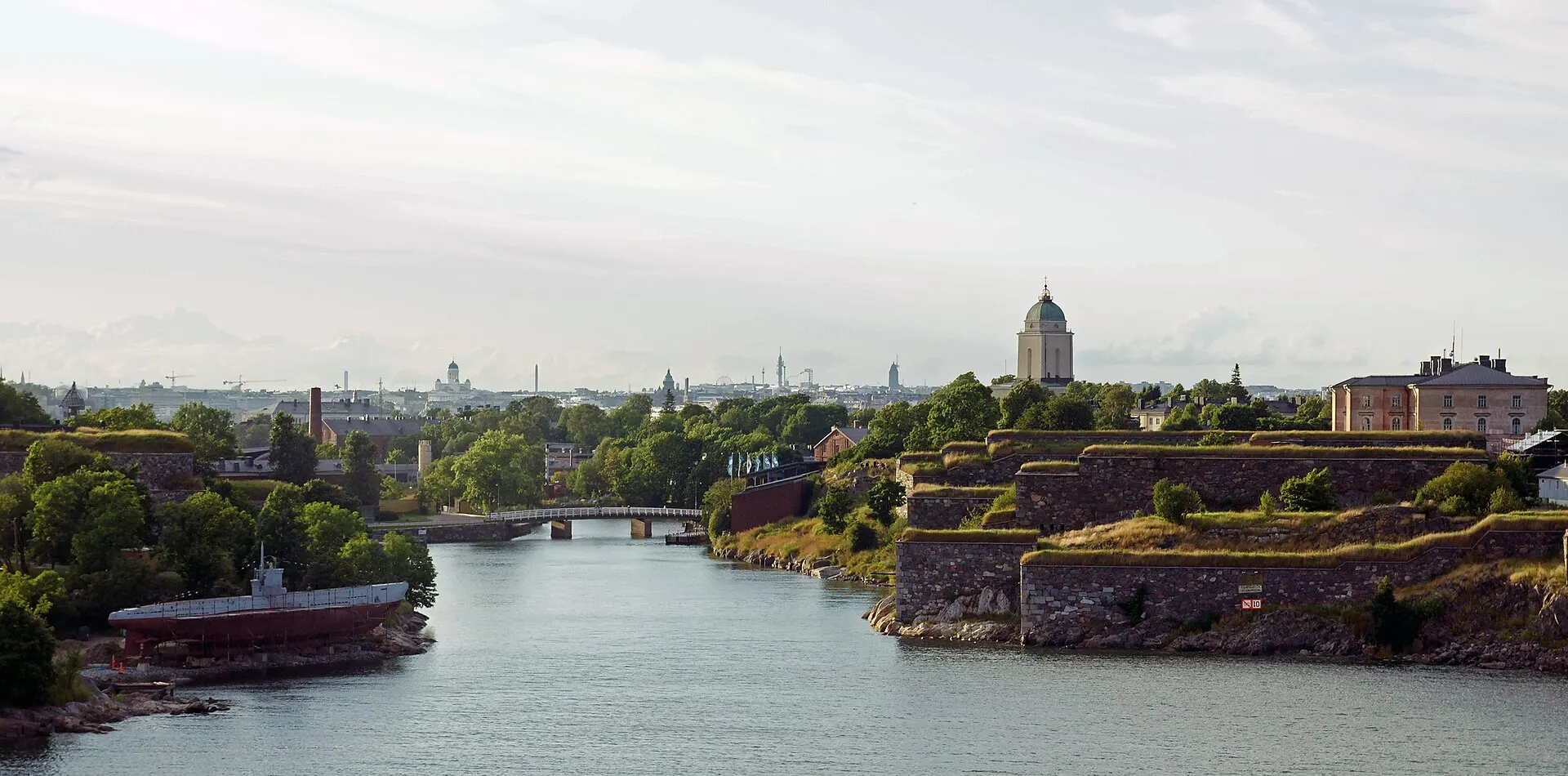
And all of it was built by hand. It's almost impossible to take in.
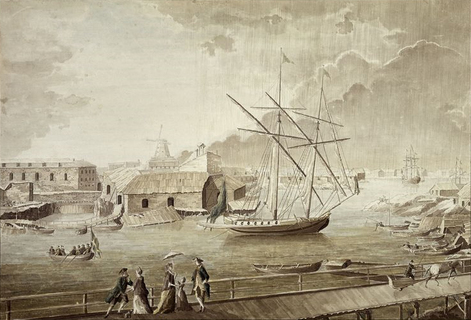
The year was 1748, and the threat was called Russia. Soon over six thousand men were toiling on the bare granite skerries, and they would keep at it for forty years without ever quite finishing. This was no old-fashioned stronghold. It was the absolute cutting edge of its age: a bastion fortress in the spirit of the French master Vauban, where every angled wall guarded the next. No blind spots. No way in for an attacker without landing square in the crossfire.
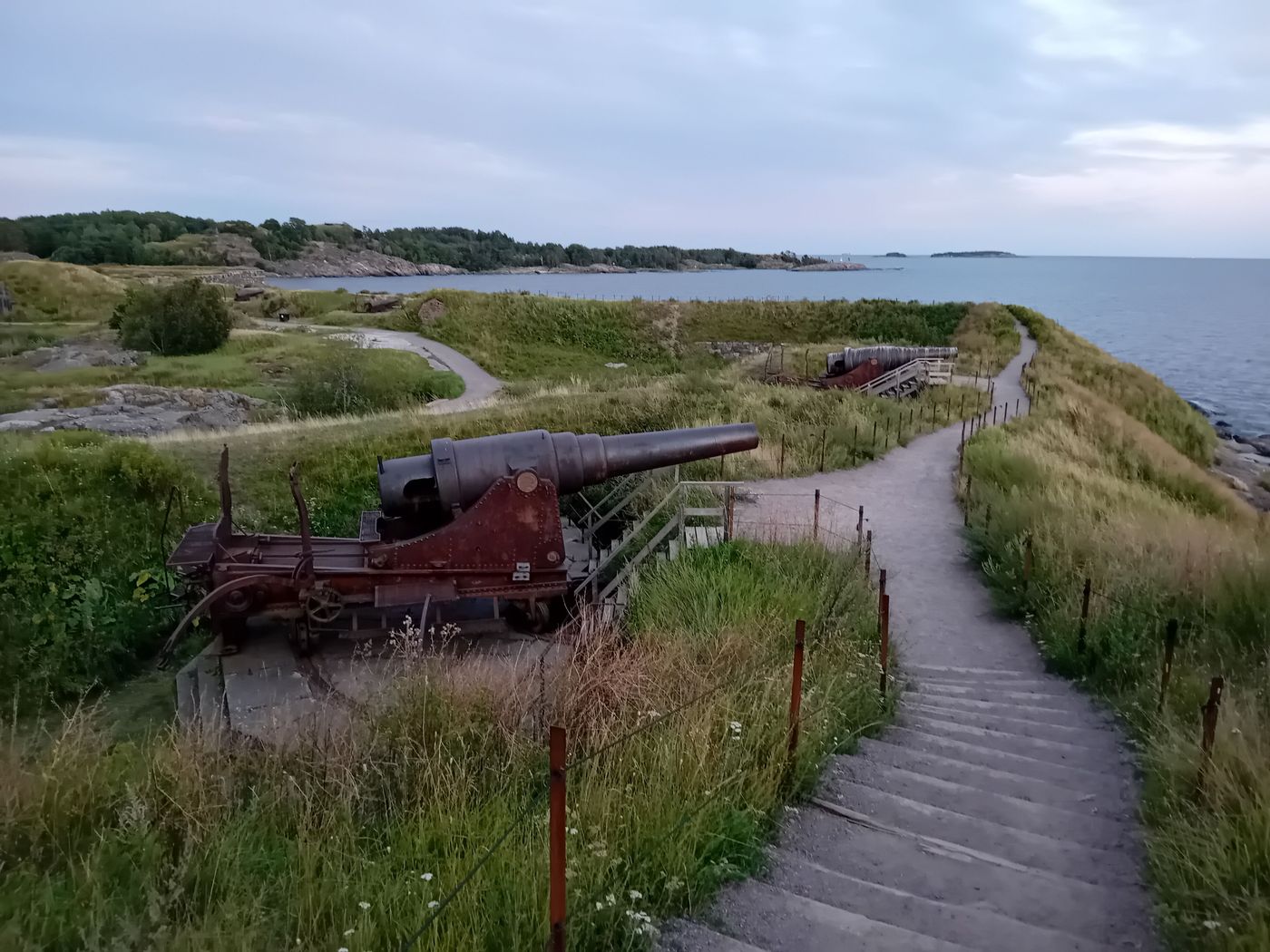
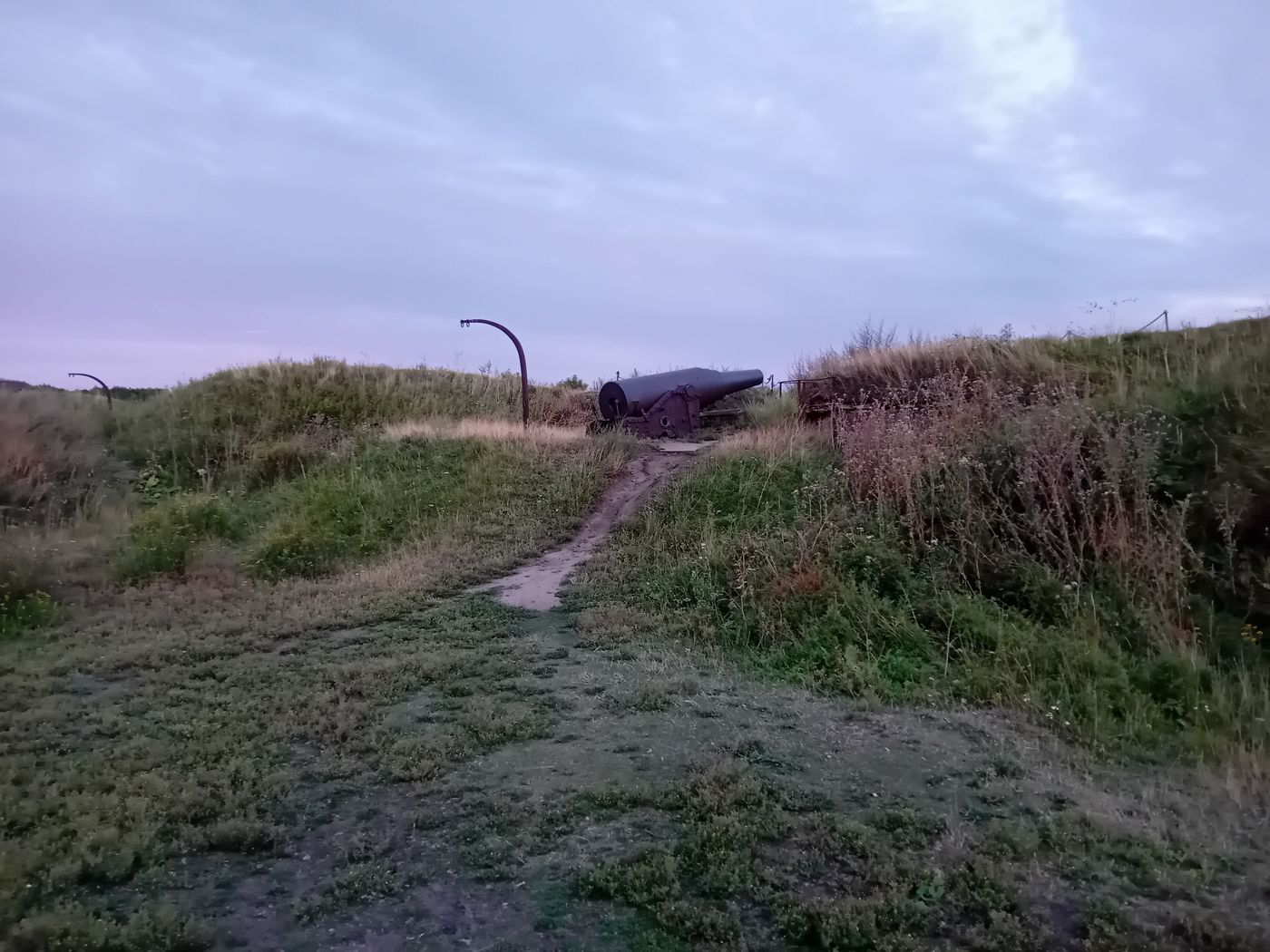
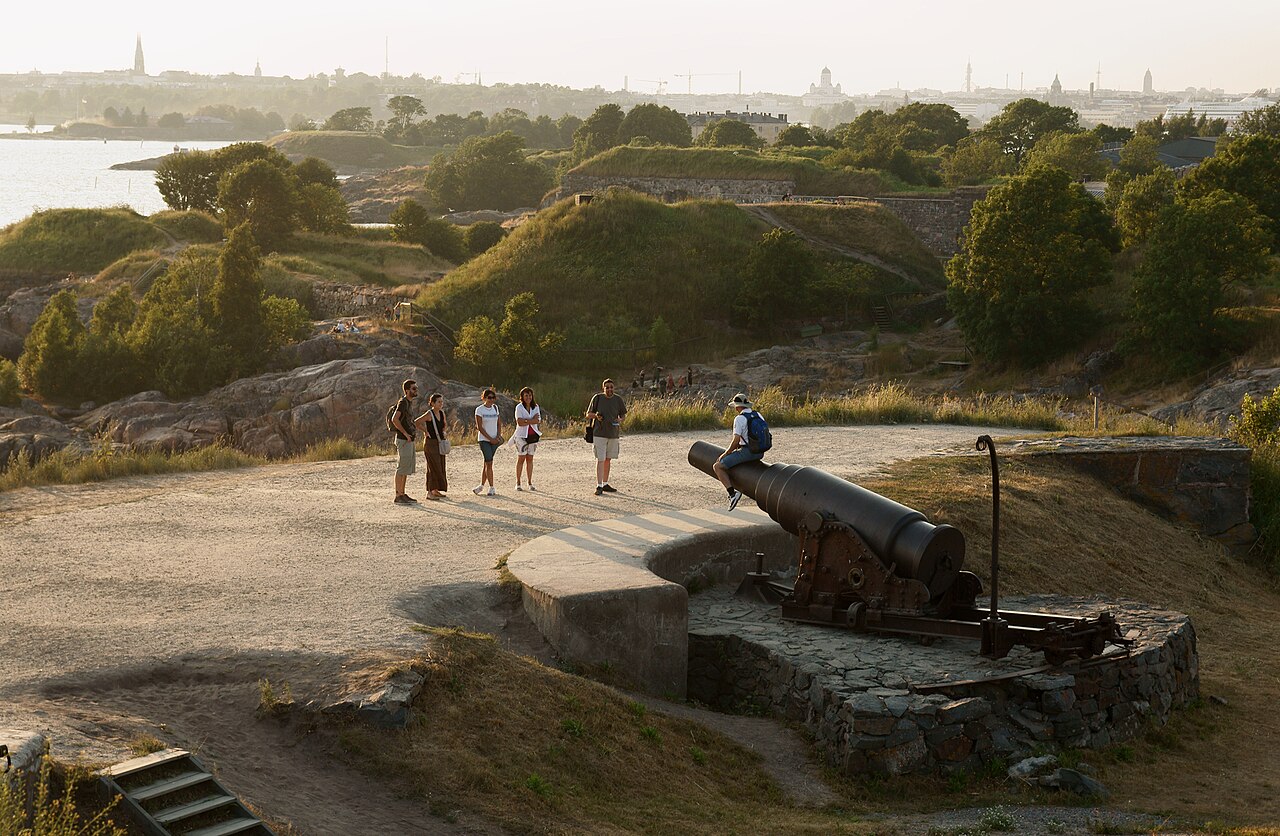
Walk the batteries today and you grasp at once how an attacker must have felt. The cannons are enormous, big enough that a grown man fits inside the barrel (the largest are Russian, from a later century). Stand on Gustavssvärd, look out across the water an enemy would have had to cross, and only one thought remains: how could anyone besiege this?
But here's what the granite won't tell you. For all its fearsome splendour, the fortress was in fact half-empty. Never finished, never fully manned. As early as 1776 its own commandant admitted he couldn't crew a tenth of its guns. The most feared fortress in the North was, beneath the surface, both unfinished and undermanned.
A town in the cold stone
But a fortress is never only defence. Inside the ramparts lay a whole world, because people lived here.
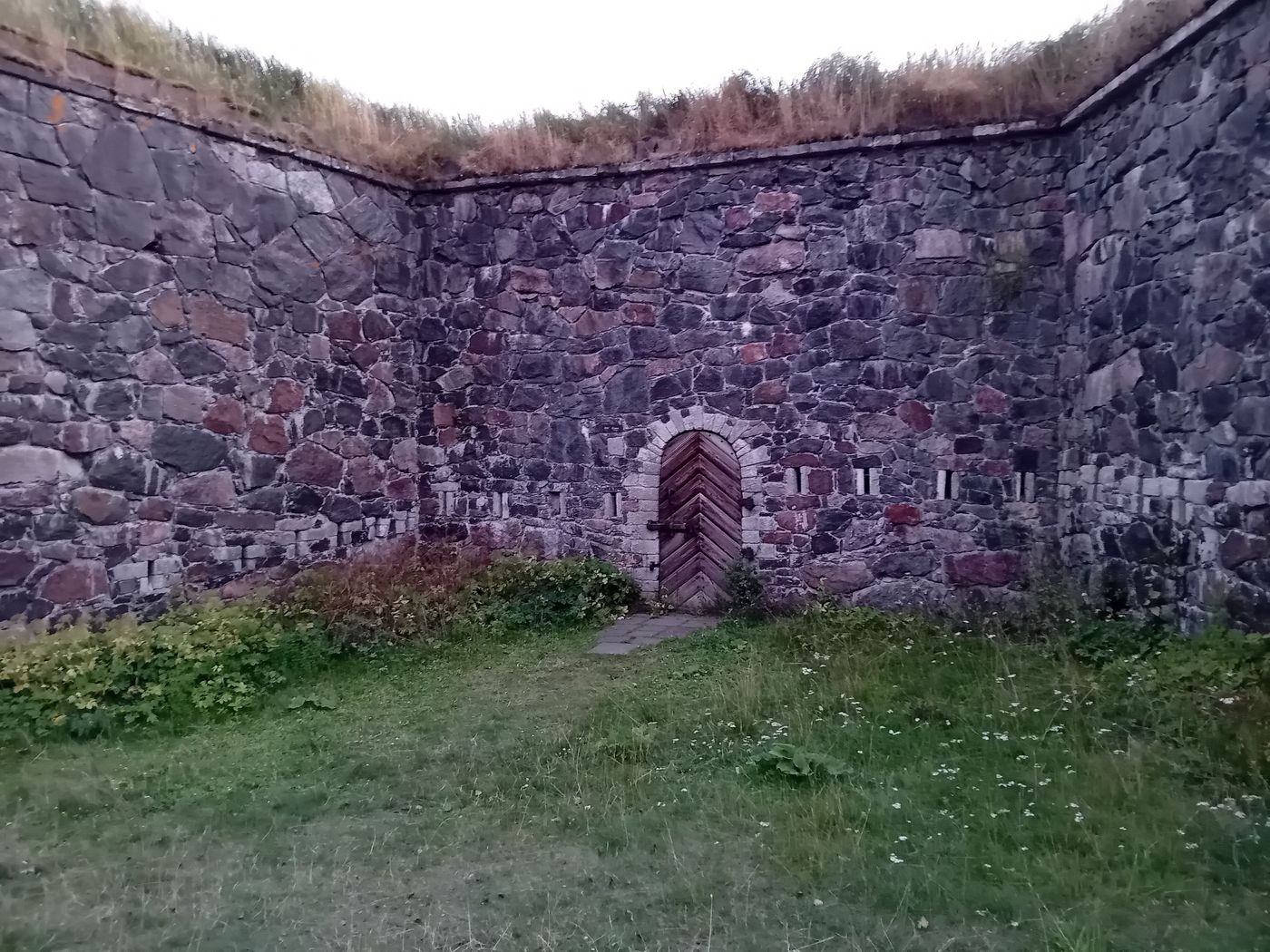
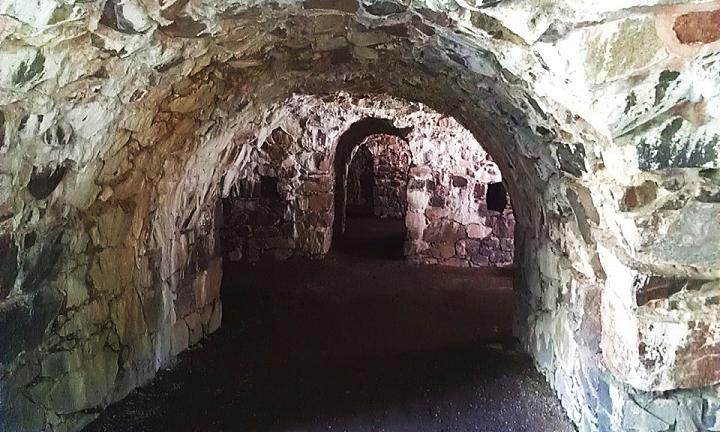
The walls aren't only walls, they're buildings too. Several metres thick, and on the inside: vaulted casemates cut into the granite, chamber after chamber of cold stone.
Stand in one of them and your imagination takes over fast. Picture the bunks, a stove, barrels and powder, men packed shoulder to shoulder out of the wind. This was their refuge from the hard weather, out there on the exposed posts.
At its height a whole small town swarmed here: soldiers, wives, children. Imagine the sight, strange, rowdy and smoky.
They even made their own water. On a bare skerry without a single spring, they gathered rain and runoff, filtered it through sand, and stored it in a stone cistern finished in 1765. Harvested rain, cleverly cleaned, on an island that otherwise wouldn't have had a drop to drink.
The architect who never left
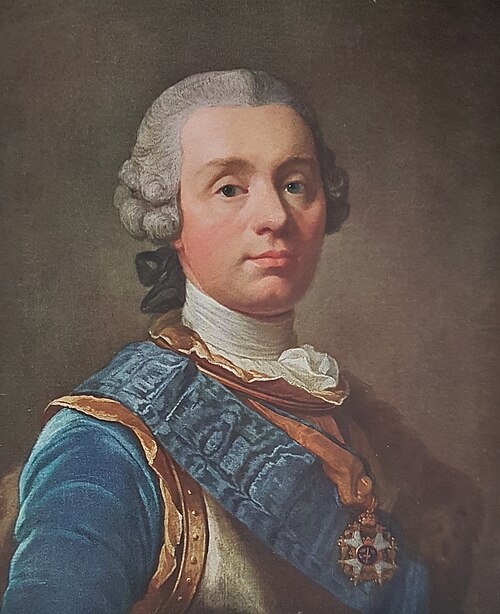
The man who drew it all was named Augustin Ehrensvärd, and the fortress became, quite literally, his life's work. He was a soldier and an artist both, and from 1748 he gave this rock nearly his whole life — not just a fort, but a fortified town with a naval dockyard at its heart, for a new shallow-draught fleet he had fought for years to build. He never lived to see it finished.
And it cost him more than years. When the crown's money ran short he spent his own, even funding an officers' school himself; when his political faction fell he was dismissed from his own creation, reinstated only when it returned to power. He painted the work as it rose, oil after oil, as if he could not let any of it go unrecorded. Over the King's Gate he had words carved that read like a man speaking past his own death: Posterity, stand here on your own ground and never rely on outside help. Beside them a tablet was left blank, waiting for the year the king would lay the last stone. It never came. The space is empty still.
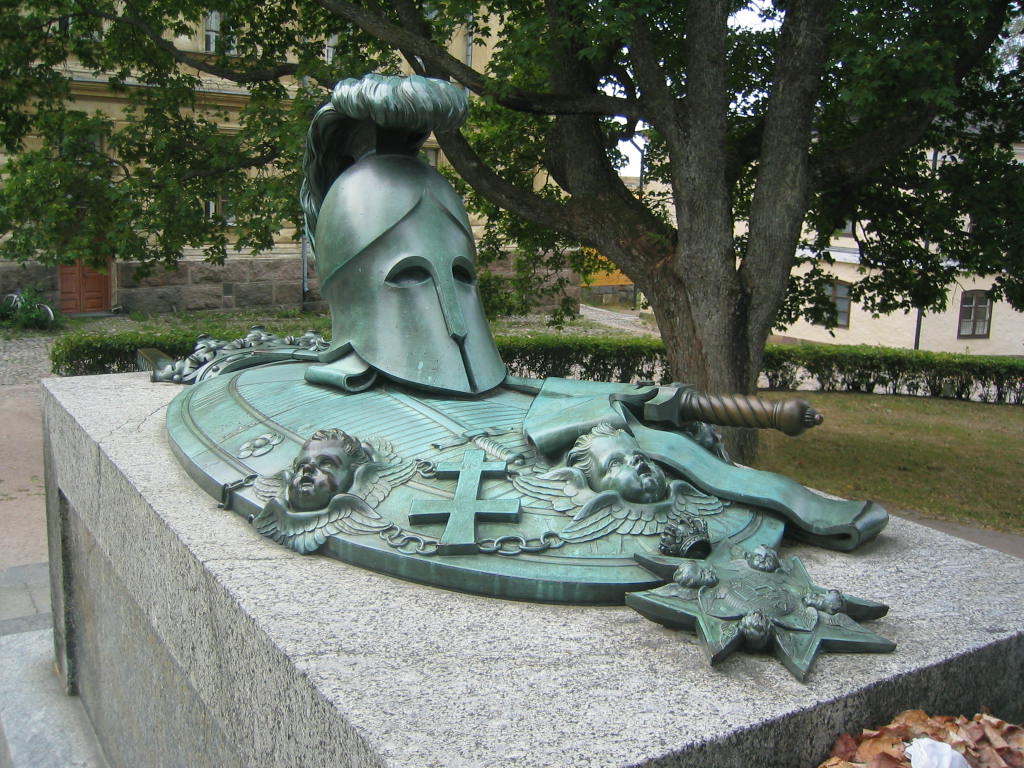
He died in 1772 with the work unfinished, and here he would be buried, embraced by the waves, the stone and eternity. He rests in the Great Courtyard, beneath a grave monument crowned with a bronze helmet — drawn by none other than King Gustav III himself, and cast from Russian cannons captured at the battle of Svensksund. The creator lies beneath metal won from the very enemy he had built against. The inscription reads: here rests Count Augustin Ehrensvärd, surrounded by his own works.
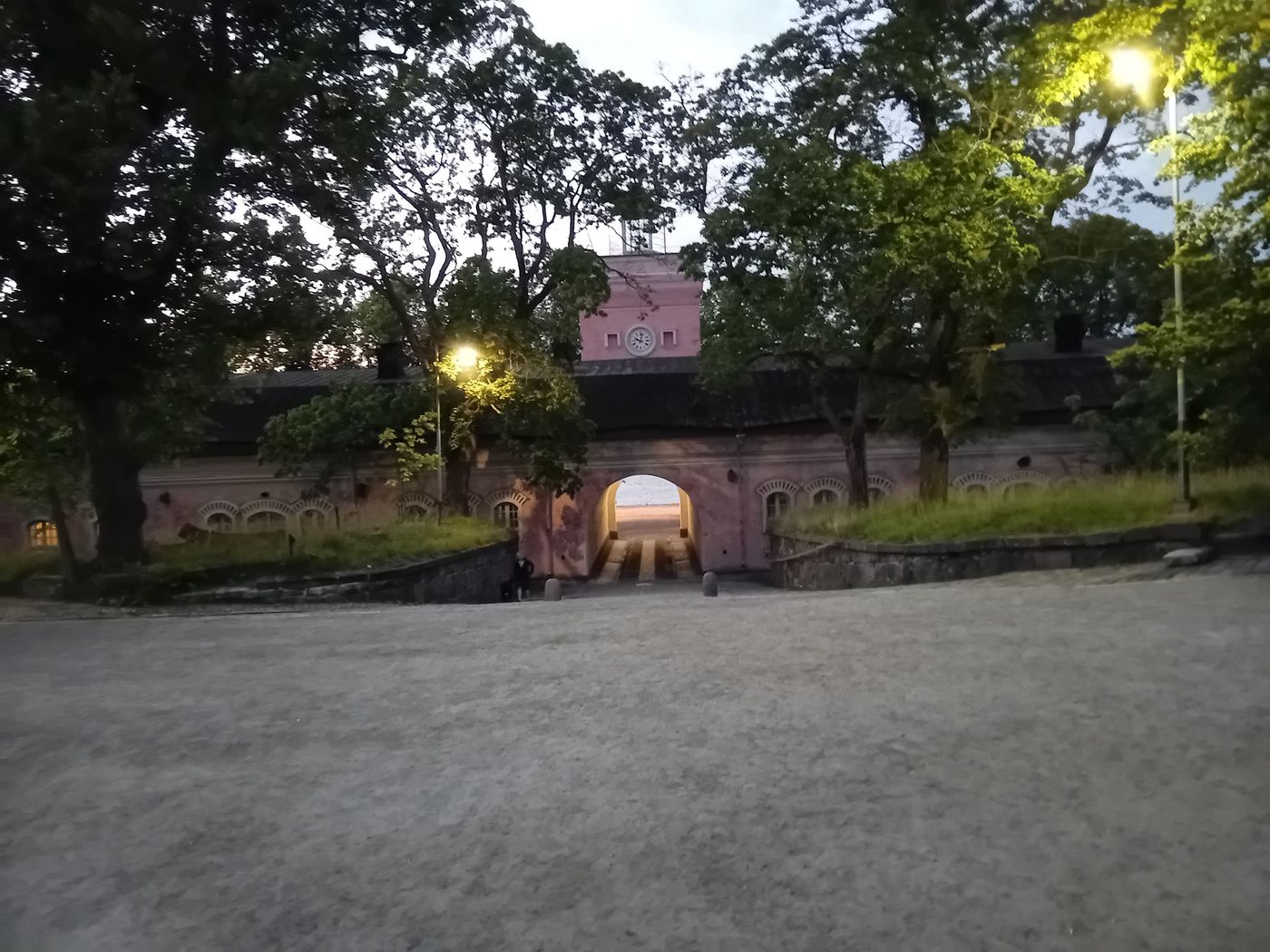
At the heart of the fortress they cut one of the world's oldest dry docks still in use. And at the sea-gate rises the King's Gate, where to this day you can step ashore exactly as an admiral once did.
The day it gave up
The ramparts prepare you for most things. But not for this.
You'd think the strongest fortress in the North would go down fighting. The Gibraltar of the North. Six and a half thousand men. A whole fleet at anchor behind its walls. But you'd think wrong.
In the spring of 1808, after a two-month siege, it surrendered. Six dead. A couple of roofs shot through. That was the whole price.
The impregnable fortress was never blasted apart. It was talked into giving up.
But picture the men up there on the walls. Six and a half thousand of them, dug in through the whole winter. The sea frozen around the islands, the gunpowder running out, sickness moving through the cold barracks.
They held the walls and waited. For relief that never came. For orders. For spring.
And when the surrender finally came, it had been decided far away, in some warm room, by men whose minds they could never sway. Over their heads. No last stand, no say in it. Just the cold, the hunger, and a fate sent down from above.
For the men who held the walls, the feelings must have been mixed. Surrender without a fight? Unthinkable, to the glory-seeker. To the pragmatist? Something close to a blessing. Die for all this? Rather not.
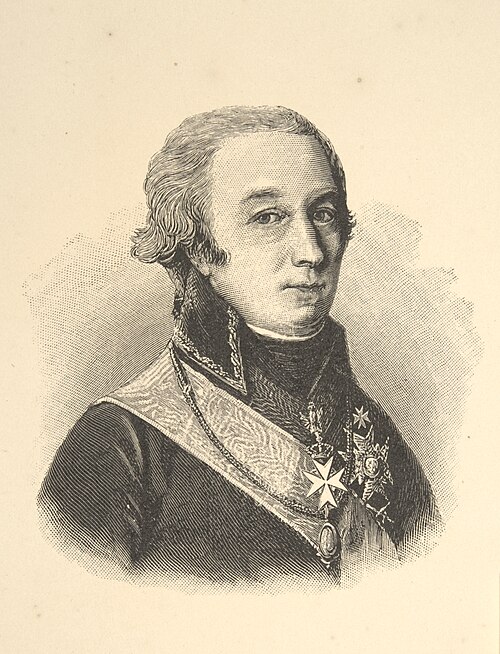
The man who signed the capitulation was named Carl Olof Cronstedt. And the strange thing is that he was already a hero: eighteen years earlier he had been the man behind Sweden's greatest naval victory ever, at the Battle of Svensksund in 1790. Now the same hand signed Finland away.
History made him pay for it forever. Charged with treason, condemned to death in his absence, and in the end saved, ironically enough, by the Russian tsar himself. For the rest of his days he was allowed to live on in the very country he had handed over. His Swedish orders he wore to the grave.
What was it, really, that made him surrender Sveaborg, and with it the whole of Finland, without a fight? Was it bribery, as the rumour claimed? A Russian bluff he fell for? Or did he simply see what so many others already sensed: a hopeless war, a king no one believed in any longer, and two thousand women and children sheltering inside the walls?
Two centuries on, Finland and Sweden still wonder. He himself never got to give his answer.
He didn't so much carry the blame as get buried beneath it. And with the surrender, Finland slipped out of Sweden's hands and straight into Russia's, for the next hundred years.
A Swedish fort, a Russian flag
Russia knew what it had won. The tsar set an immediate value on his prize: the fortress spread to new islands, new barracks went up, and an Orthodox garrison church lifted its onion domes above the rooftops.
Then it fell into oblivion and was left to decay, until a new war found it.
In 1855, in the middle of the Crimean War, a British-French fleet appeared off the islands. Eighty ships. For two days they poured fire over the fortress: eighteen thousand shells, all fired from a range where Sveaborg's own fifteen hundred cannons couldn't even reach back. Powder magazines blew, fires broke out, and in Helsinki people stood and watched their islands burn. And still it held.
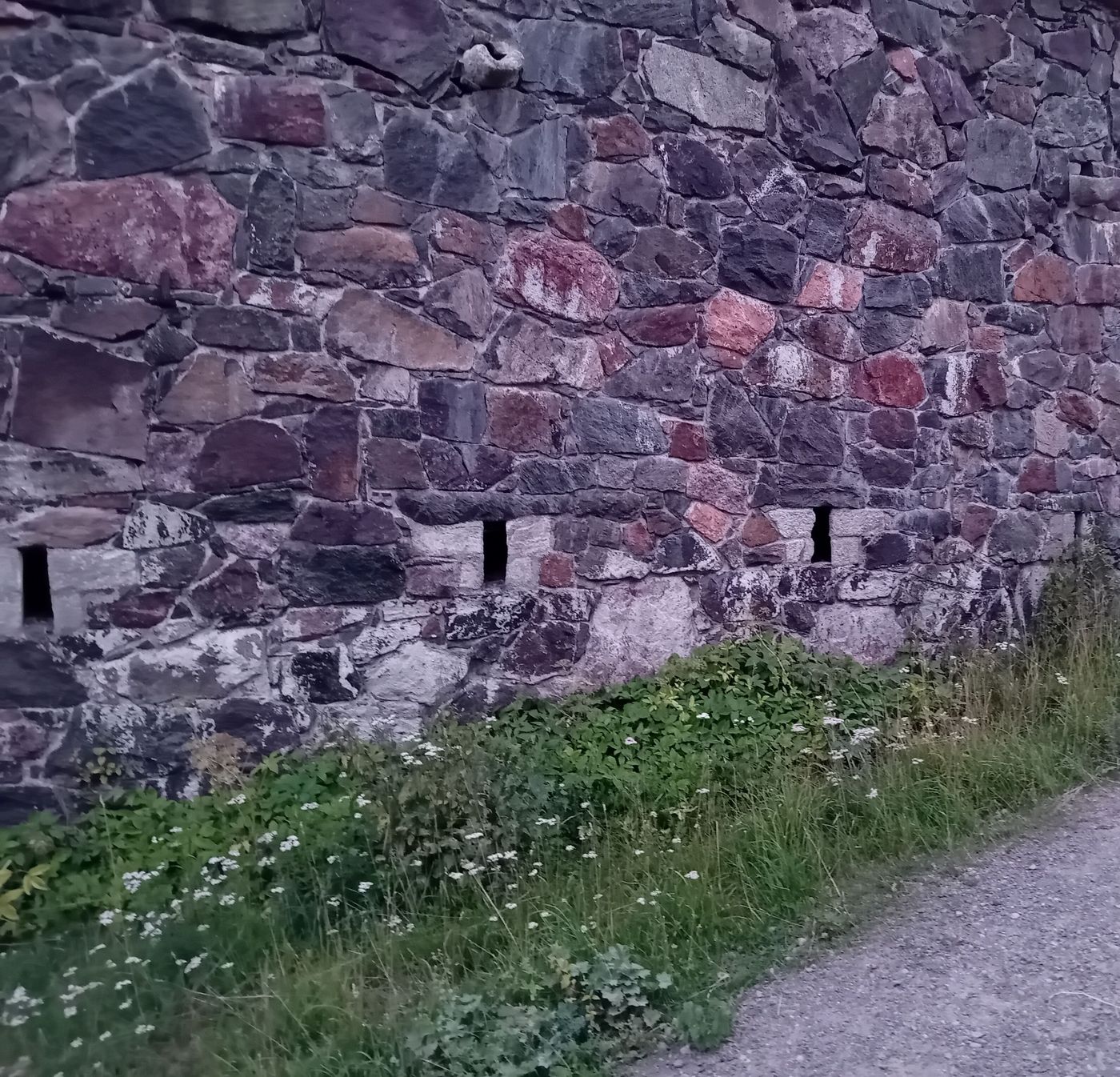
Those scars you feel when you run your hand over the wall? That's where they came from. Not from the famous fall, which barely broke a single windowpane.
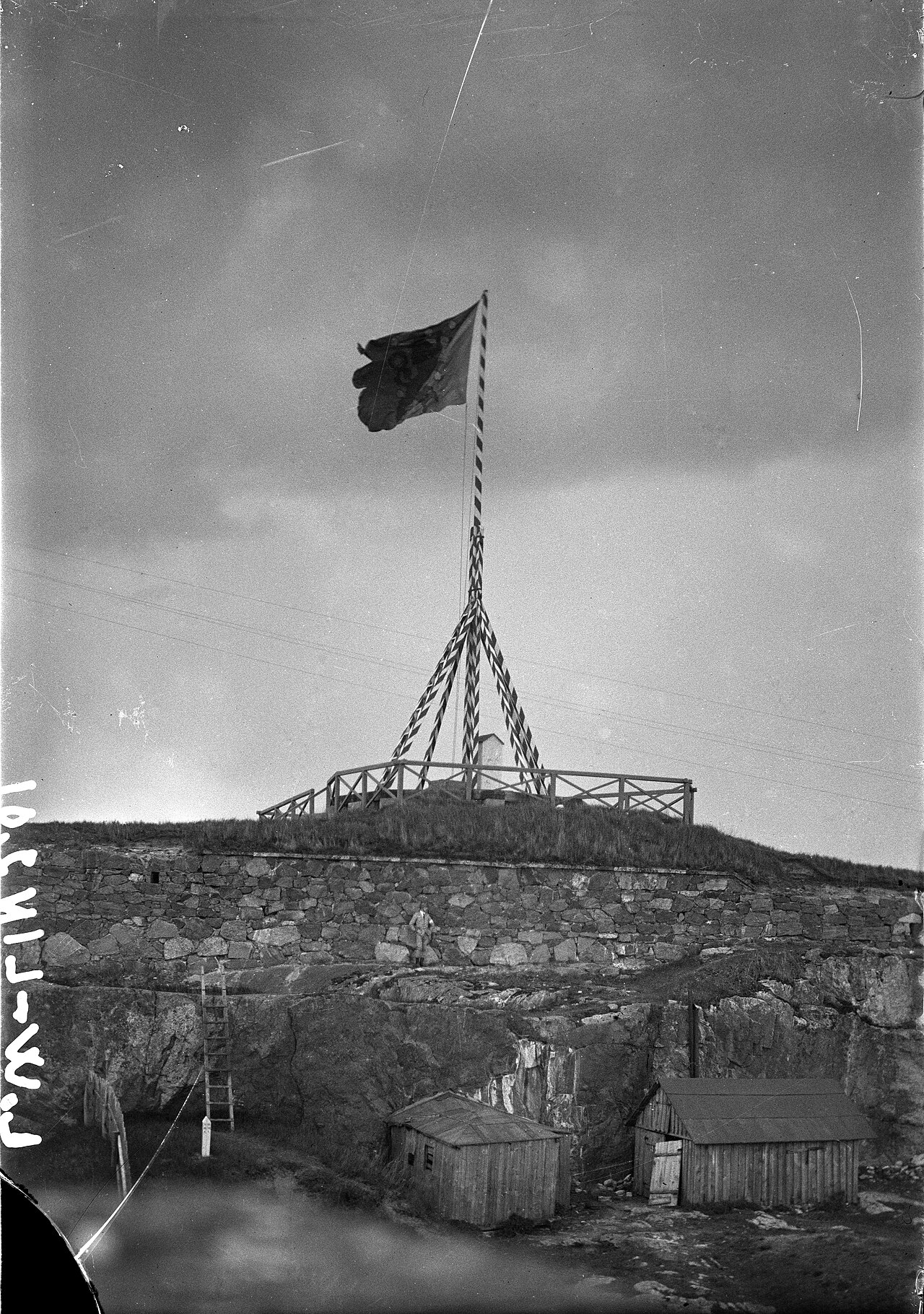
And history, as so often, had a sense of irony. In 1906 the fortress's own garrison turned on the empire: two thousand men, caught in the aftershocks of the revolutionary year of 1905. But the fleet refused to join, the Cossacks kept their distance, and after sixty hours the mutiny was crushed. Forty-three men were shot.
And so, at the outbreak of the First World War, a Swedish fortress stood guarding the Russian capital, one piece in the defences of St Petersburg. The fortress raised against Russia now guarded Russia itself.
The fortress that became a prison
When Finland tore itself free, and then tore at itself, the fortress changed its name. On 12 May 1918 it became Suomenlinna, the castle of Finland.
But independence was born of a civil war. The newborn country split in two: the Reds, the working class's guards backed by Bolshevik Russia, against the Whites, the government's forces under General Mannerheim backed by Germany. It was a fight over who would shape the new Finland, and in barely four months over the winter and spring of 1918, the Whites won.
The islands carry a darker memory from that very spring. The victorious Whites turned the fortress into a prison camp. Ten thousand Red prisoners were brought here, packed into the cold stone through a hungry spring.
Many never left. Eighty were shot. Far more, over a thousand, died of starvation and disease, in the very same cold the garrison had once frozen in a century before.
Finland's most beautiful fortress was, for a time, one of its darkest places.
The military didn't let go until 1973. In 1991, UNESCO entered it on the World Heritage list. The fortress once raised as a wall against history had become a notebook of it.
The island people still call home
And so, three centuries on, here it still is: grey, astonishing and, against all odds, still inhabited.
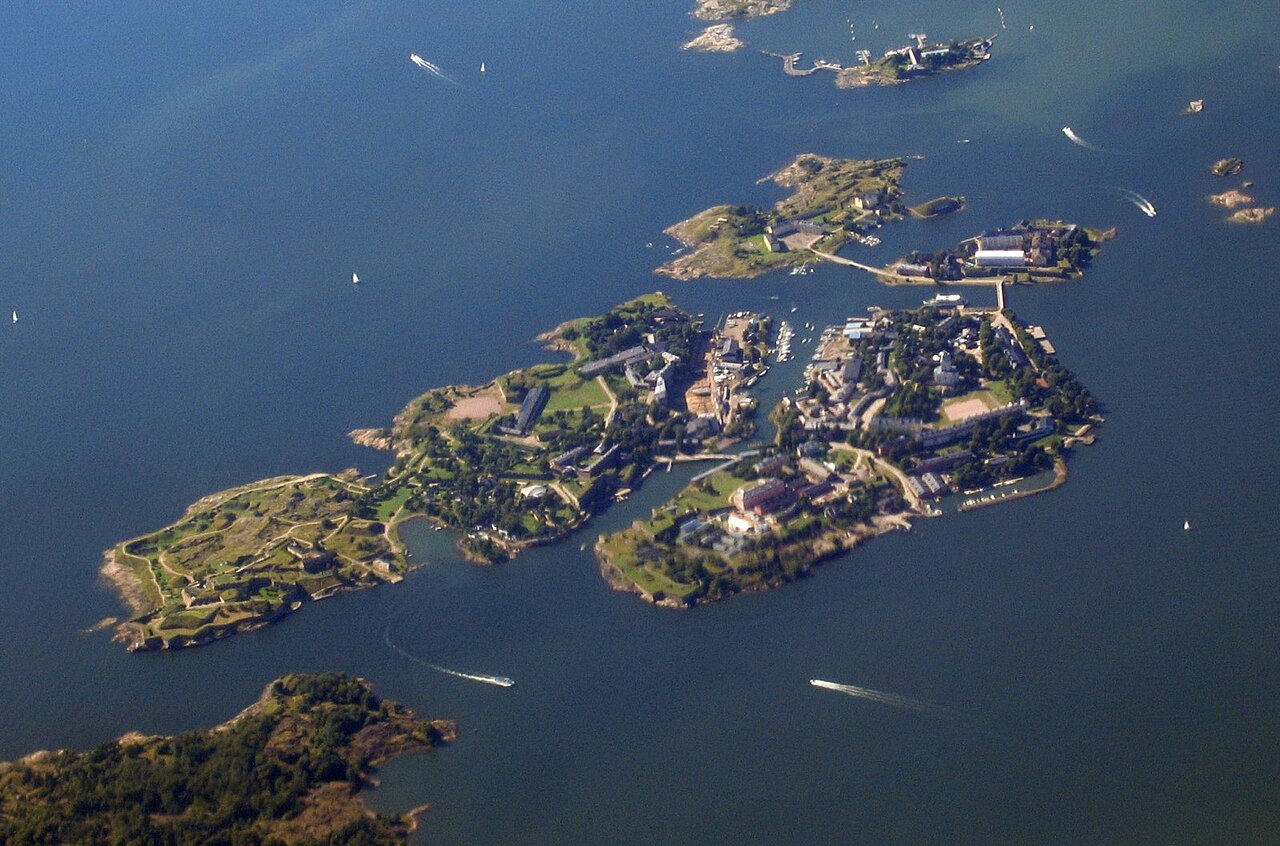
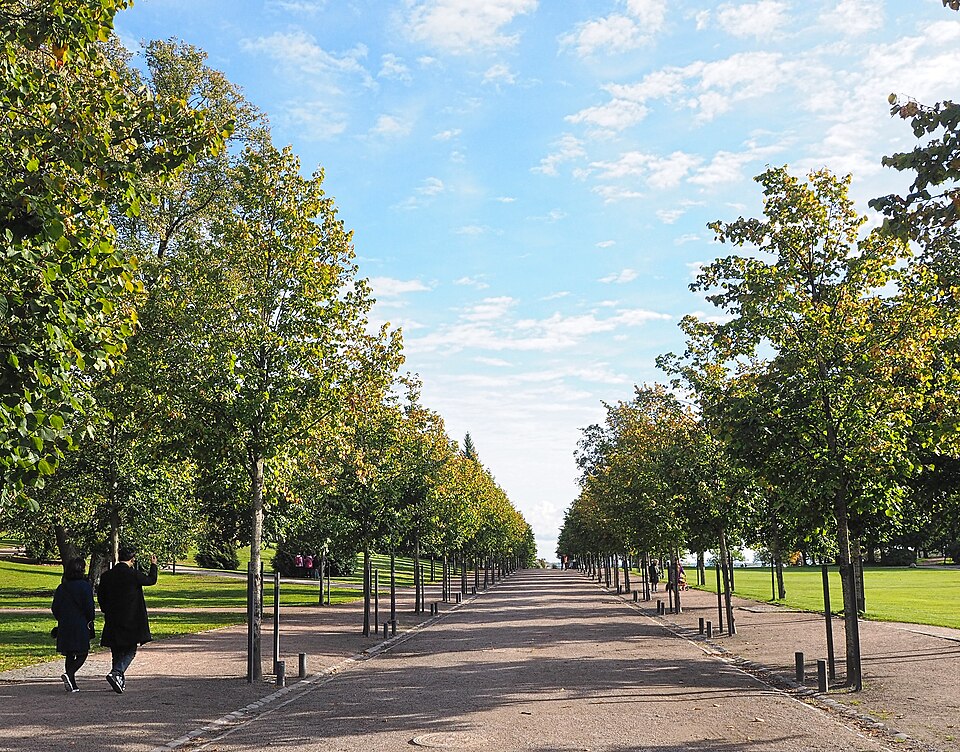
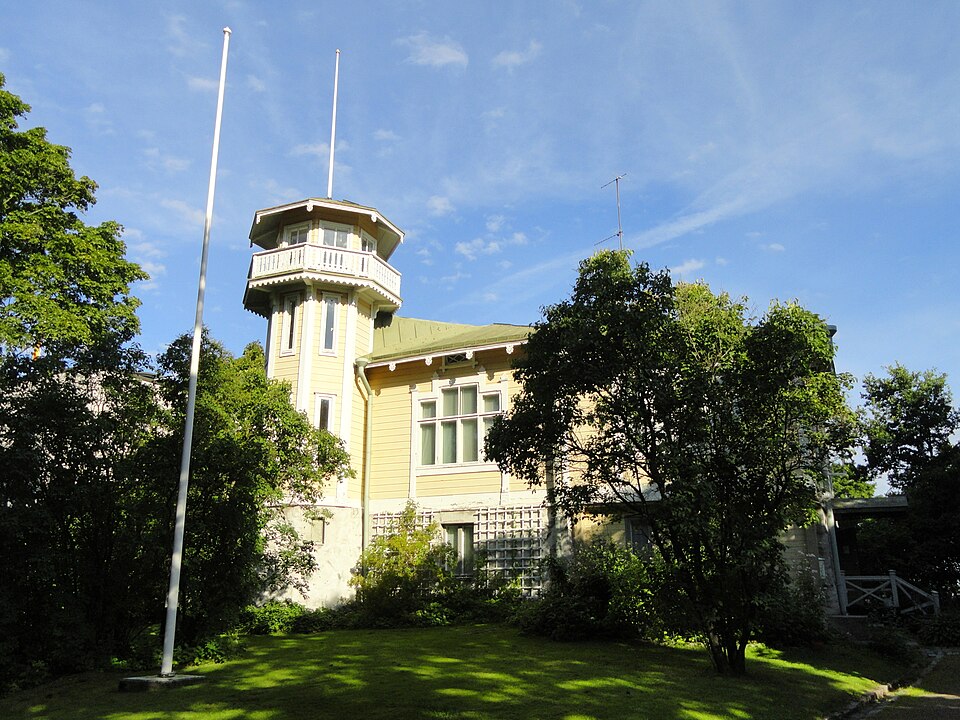
Around eight hundred people live here year-round, in a car-free neighbourhood of cobbled lanes and small museums. On the shore there's even a whole submarine, the Vesikko, hauled up out of the sea.
And here's what the history books leave out. Come in the evening, when the day-trippers have thinned and the light turns to gold over the water.
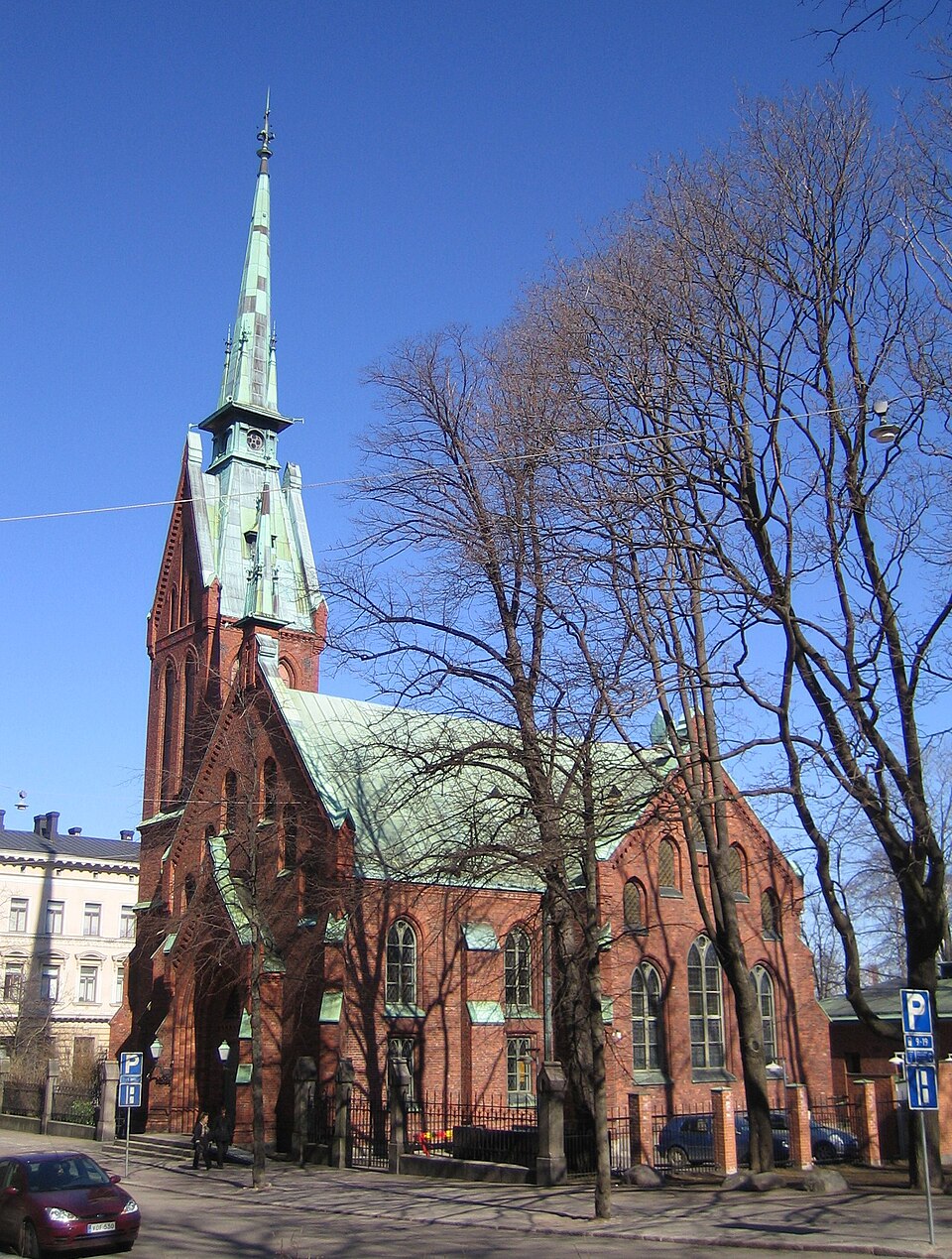
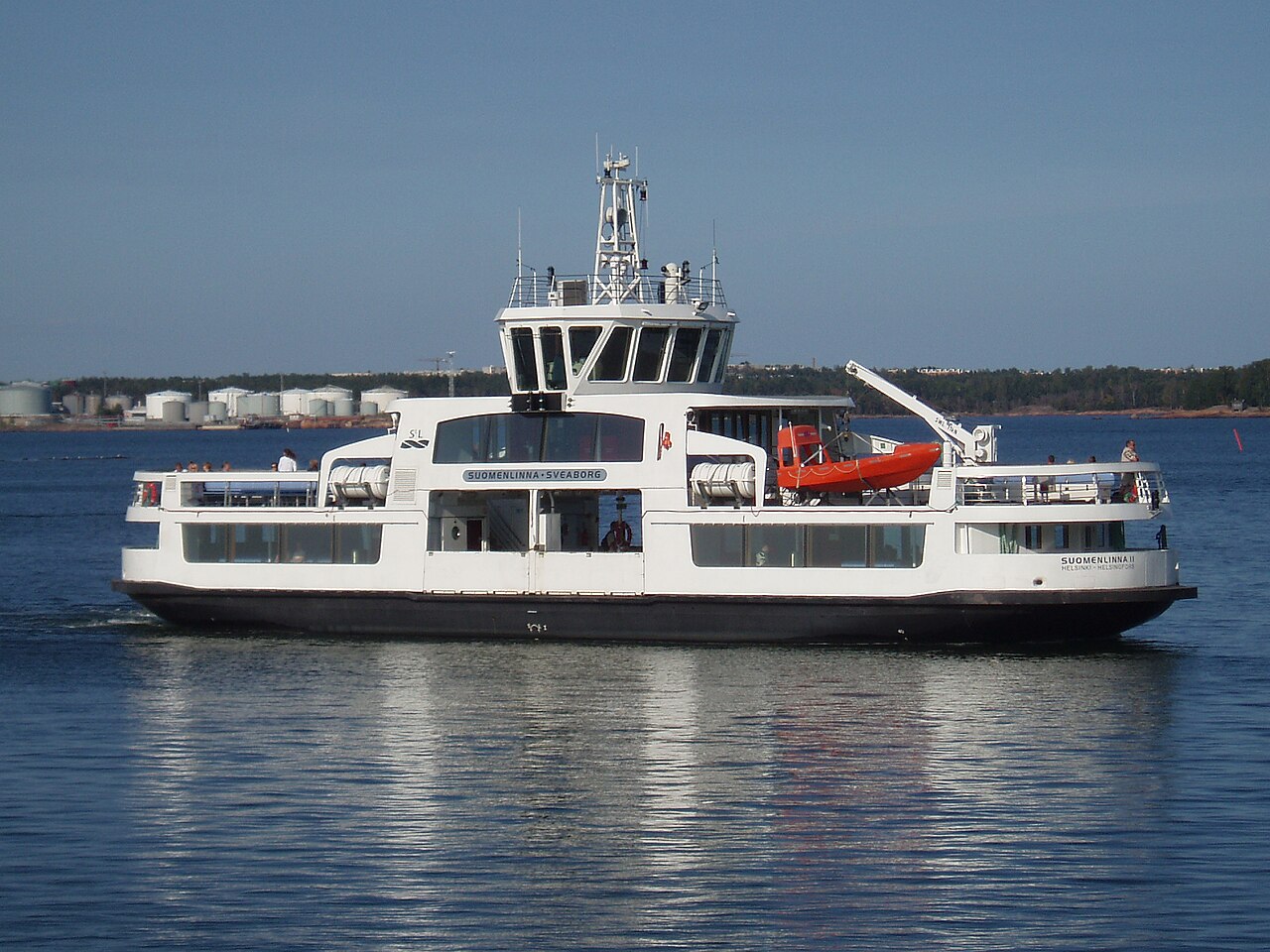
Wander up the empty cobbles to the church. End the evening at Linna Bar, the island's cosy living room: board games, maybe a live band if you're lucky, and a boat home just when you feel you've had enough.
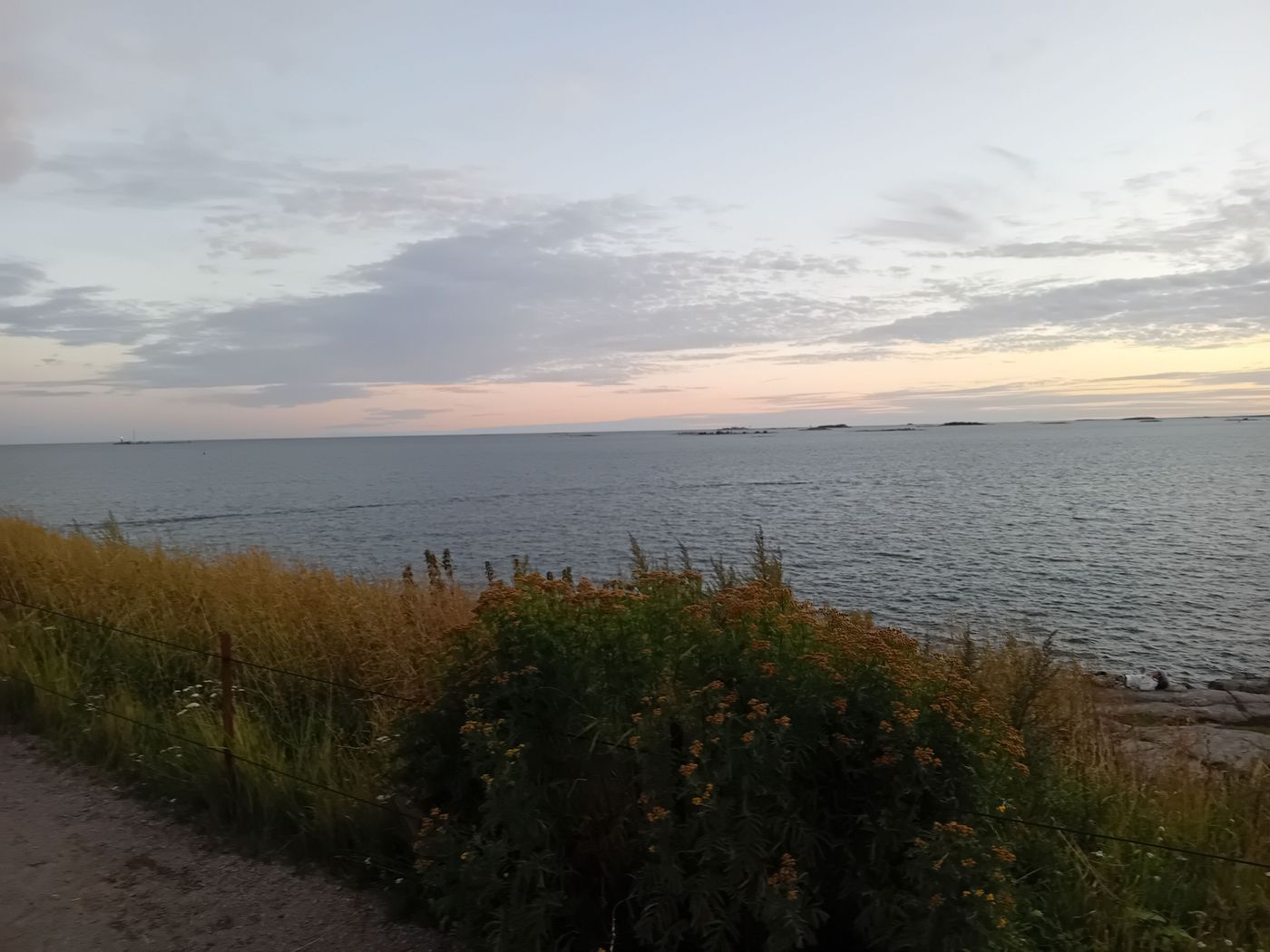
Step out onto the eastern wall before you leave the island, and look out over the water. This is where the danger always came from. Linger a while in the dusk, and you can almost make them out: an enemy fleet slowly growing on the horizon. The feeling doesn't lie, because it really happened, more than once.
And maybe that's why it stays with you. It was built never to fall, and it fell. It was raised by a realm that no longer exists. It has been Swedish, Russian and Finnish, fortress and prison, and today it's a home. Nothing turned out as intended. And yet, perhaps for that very reason, it's beautiful, in the way only true things can be, the ones that never went to plan but are still standing.
Gallery
%2C_King_of_Sweden%2C_in_coronation-robes_(Alexander_Roslin)_-_Nationalmuseum_-_15330FXD.jpg)
.jpg)