Why visit
The Cotton Mill was the new town's first industrial works after the Vaasa fire. The red-brick factory grounds live on, now part of the university campus with its main building and science library.
Look for: Seek out the red-brick weaving building from 1859, designed by provincial architect C.A. Setterberg, and the two two-storey workers' barracks from 1870 along the leafy avenue.
About this site
The area of Vaasa Cotton Factory, the first industrial establishment founded in the new city after the Vaasa fire, is architecturally coherent and significant in the townscape. The red-brick weaving mill at Palosaari cotton factory, designed by county architect C.A. Setterberg, dates from 1859. Along a deciduous tree-lined alley running across the factory area stand two old two-storey workers' barracks from 1870 and, at the end of the street, an office building from 1924.
In addition, the factory area contains two further workers' barracks from the 1850s and a weaving mill building with a sawtooth roof from the 1890s. Some of the cotton factory buildings belong to the Vaasa university campus, where the new building stock comprises the university's main building and the science library.
Official description (Museovirasto) — machine-translated from Finnish
- Municipality
- Vaasa
Part of these journeys
More to see in Vaasa
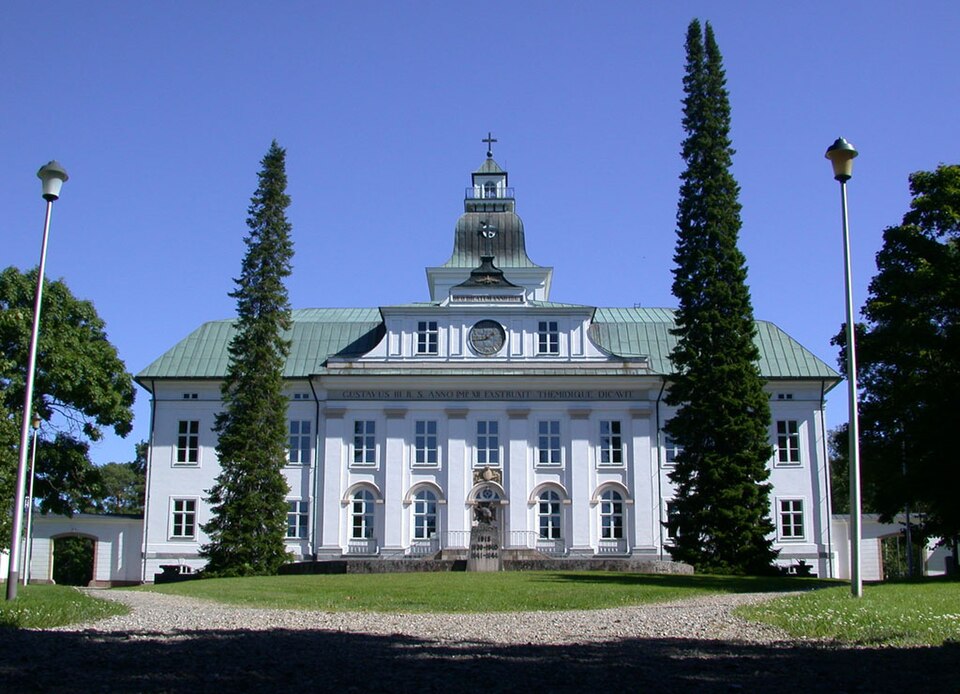 Protected building
Korsholm Church
Vaasa
Read more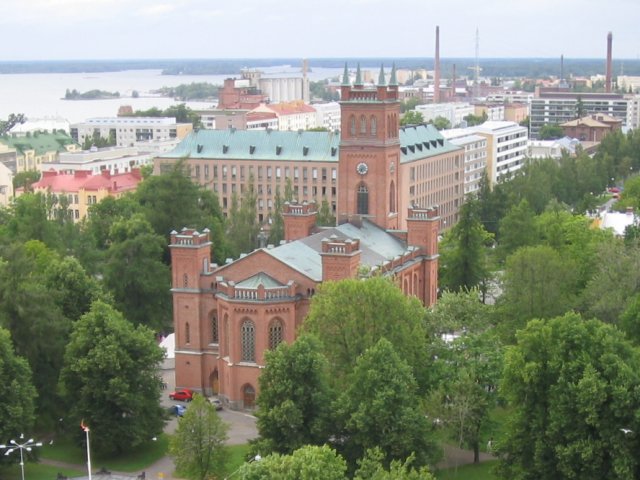 Protected building
Holy Trinity Church, Vaasa
Vaasa
Read more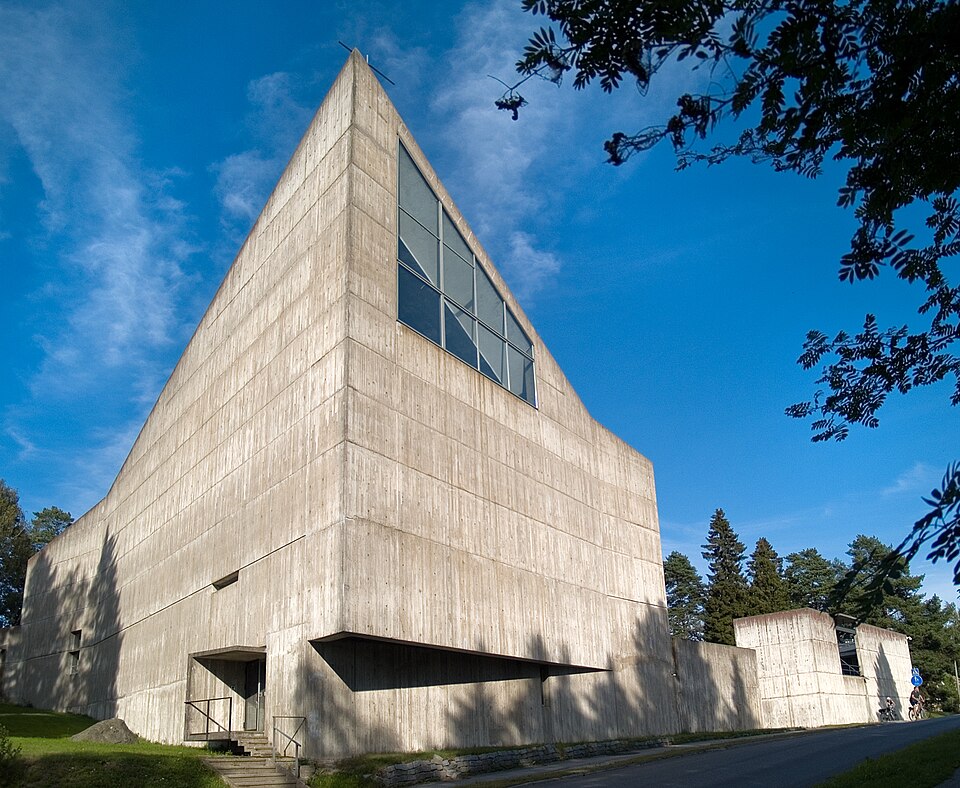 Protected building
Huutoniemen kirkko
Vaasa
Read more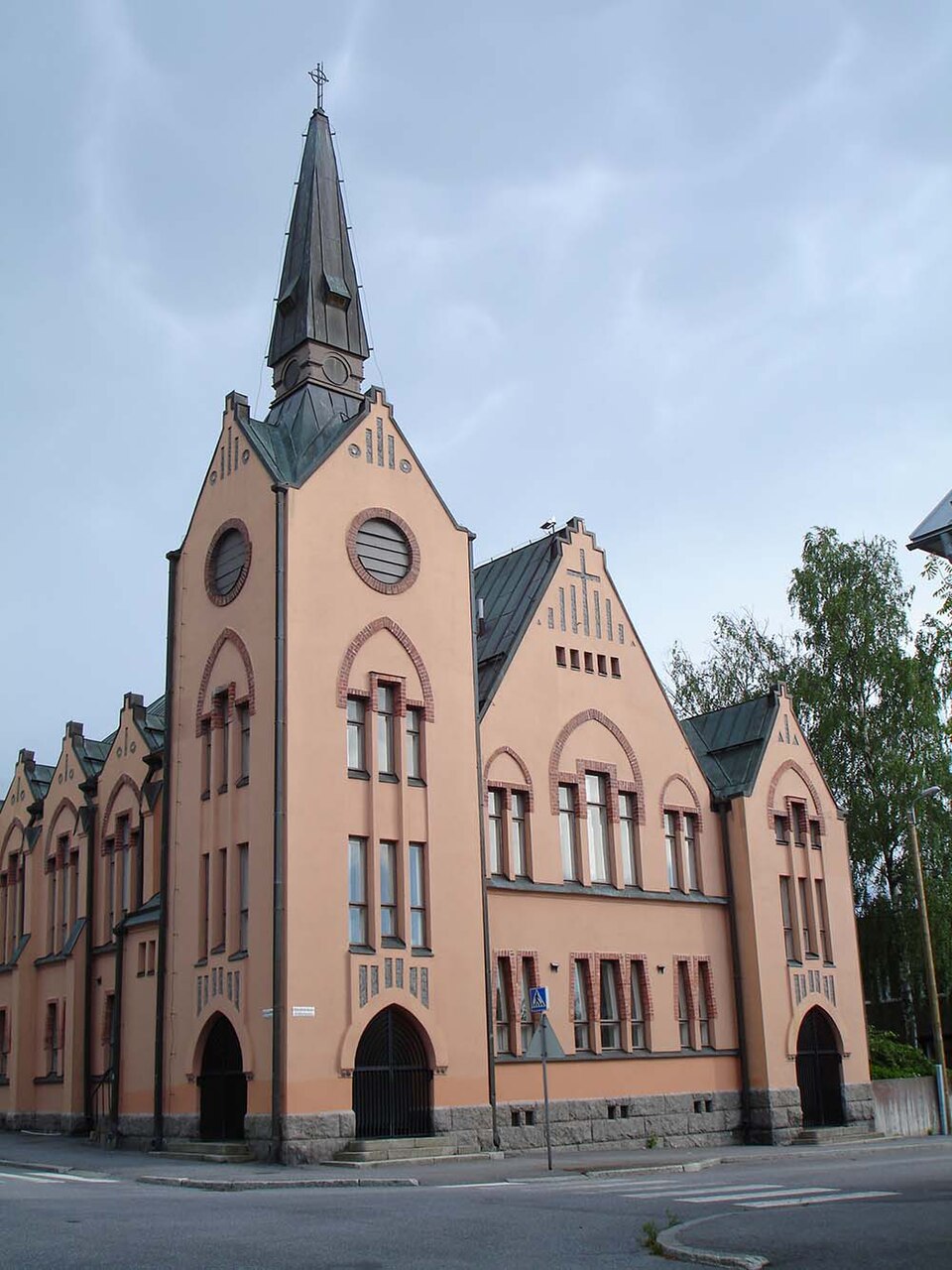 Protected building
Palosaaren kirkko
Vaasa
Read more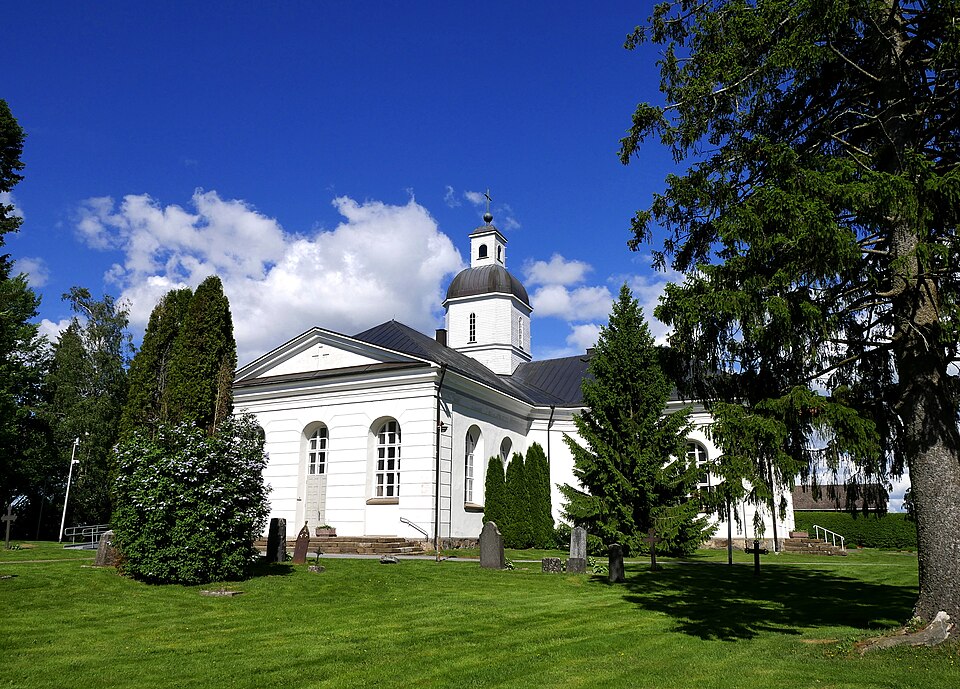 Protected building
Vähänkyrön kirkko
Vaasa
Read more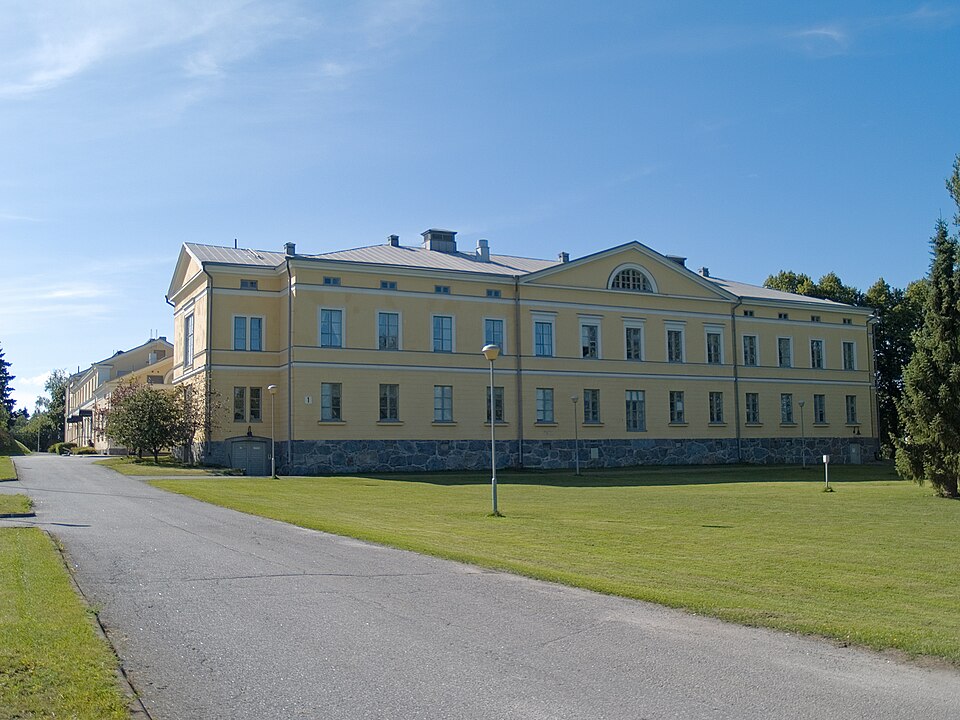 Protected building
Vanha Vaasa hospital
Vaasa
Read moreWorth a stop nearby
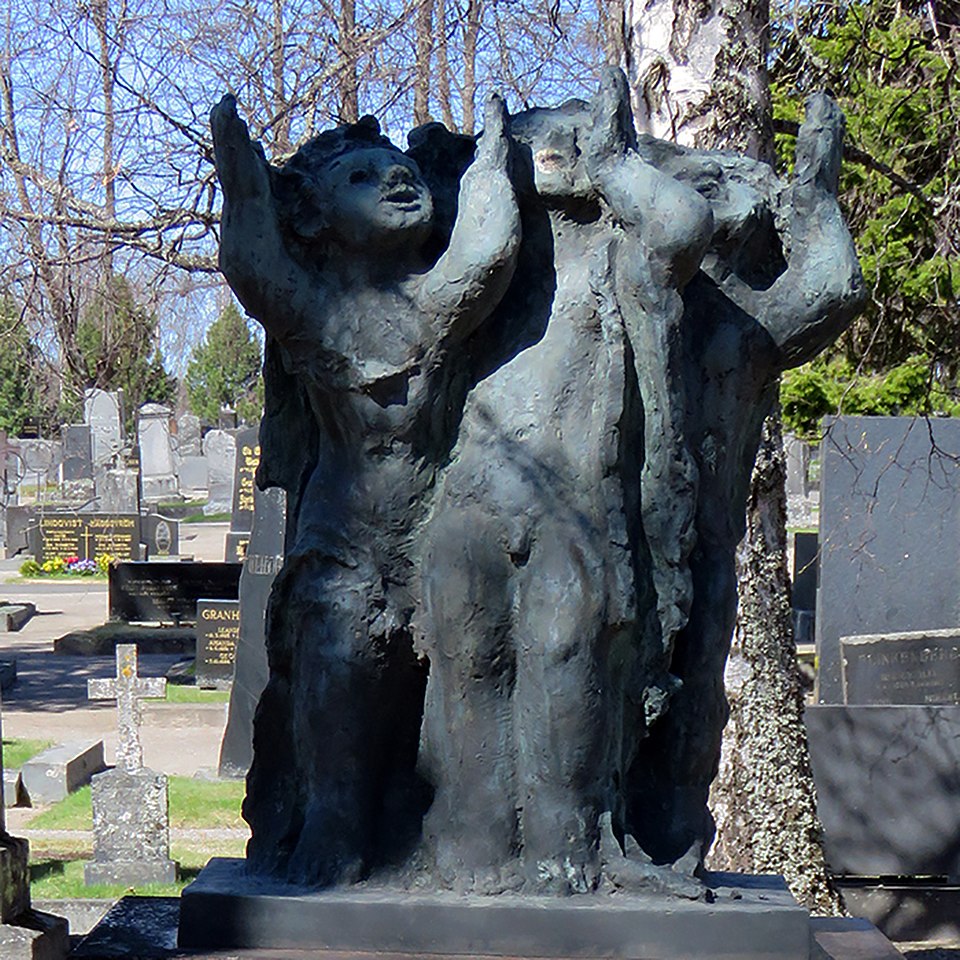 Nationally significant
Vaasan Vanha hautausmaa
Read more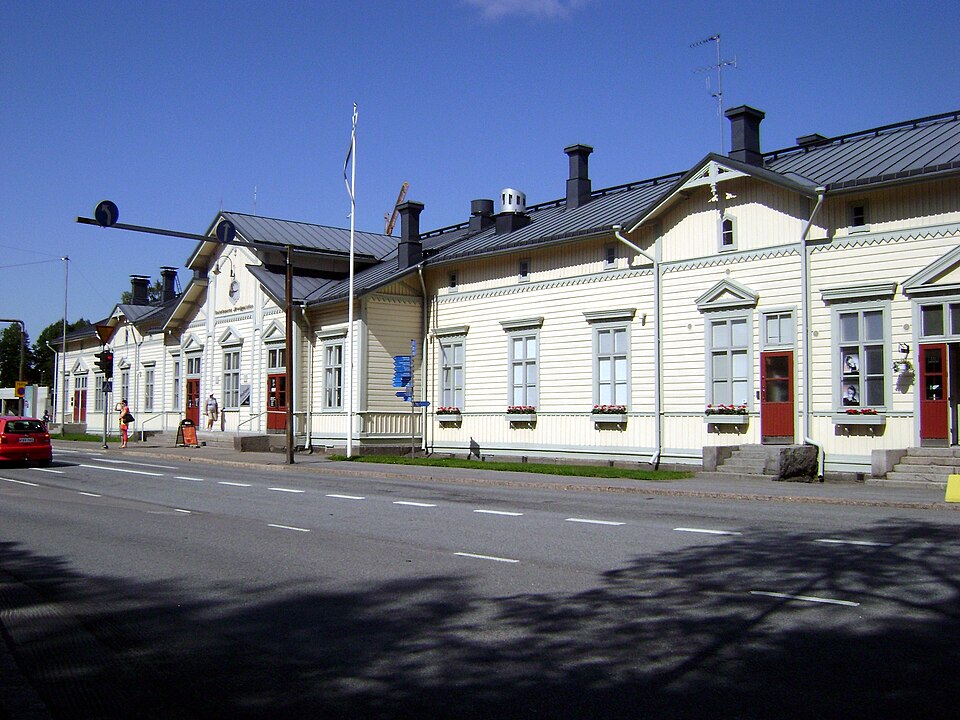 Nationally significant
Vaasa railway station
Read more Nationally significant
Vaasan tarkka-ampujakasarmit
Read moreNationally significantHuutoniemen kirkko
Read more Protected building
Koivulahden kirkko
Mustasaari
Read more Protected building
Raippaluodon kirkko
Mustasaari
Read more