9+ Highlights · Finnish Heritage Agency
Manor houses — life along the avenues
Empire-era mansions, parks, lime-tree avenues and outbuildings, from medieval family seats to National Romantic country houses – step into the world of Finland's manors.
For centuries a manor was a small world of its own: the main house with its park and avenue, stables, storehouses and workers' quarters, and around them the fields that fed the whole estate. Noble and gentry families built these places into seats that passed down the generations, and in many of them history still feels close at hand – Louhisaari Manor in Masku is the birthplace of Marshal C. G. E. Mannerheim.
The manors tell their own quiet story of Finland's past centuries, and many of them stand open to visitors today. We have gathered the places worth a stop – and, for the Turku region, where the manors lie thickest, a route that takes you to several of them in a single day.
Highlights
Brinkhall Manor
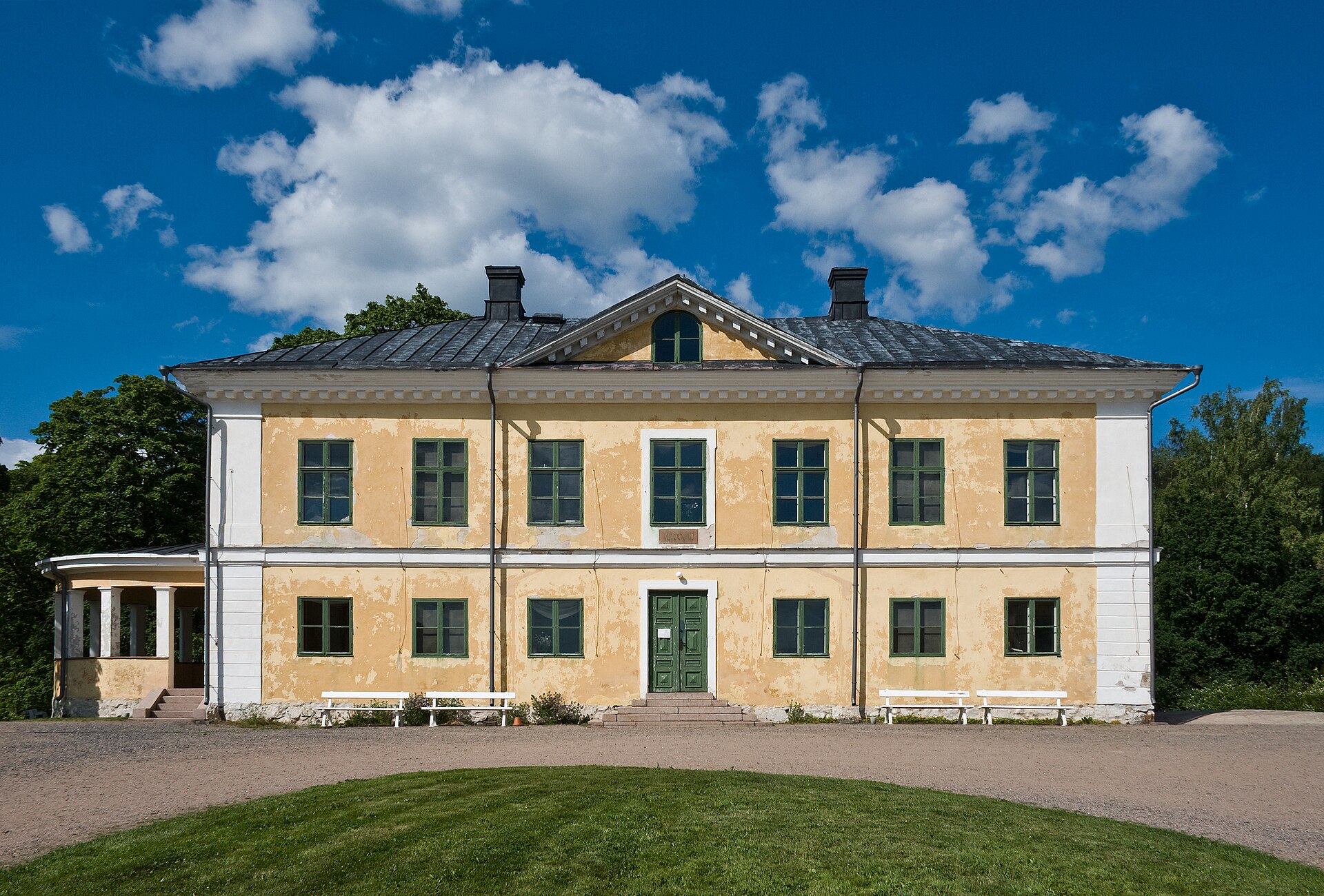
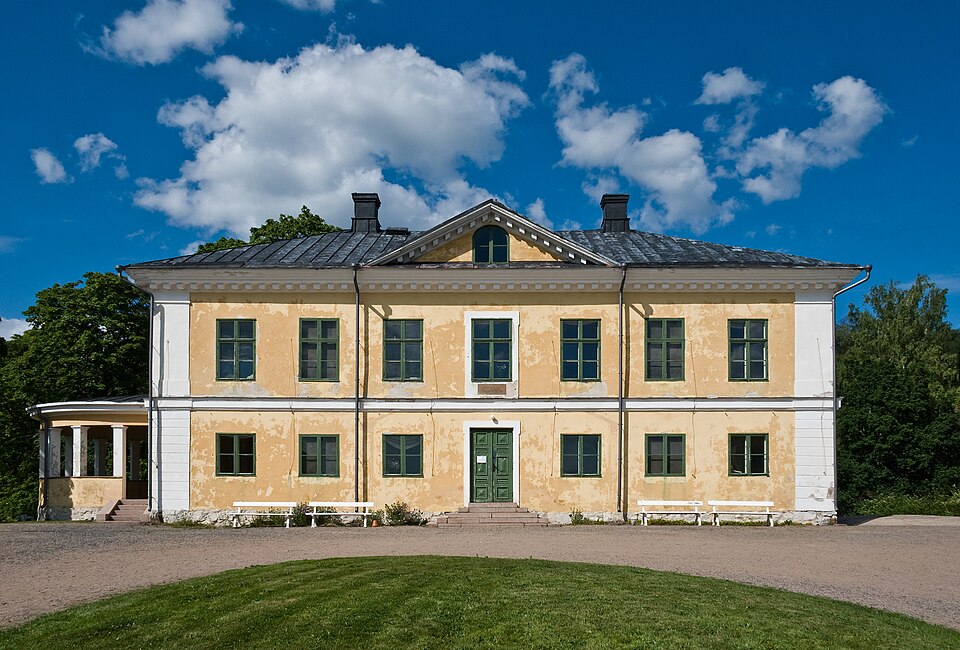
On the island of Kakskerta stands Brinkhall Manor, one of Finland's earliest neoclassical buildings — a pale-yellow rendered brick ensemble whose main building rose between 1793 and 1810.
Look for: Above the main entrance, find the inscription plaque marking the completion year 1793, and inside, the so-called Pompeiian room with its antique-style paintings.
Königstedt Manor
Vantaa
Hahkialan kartano
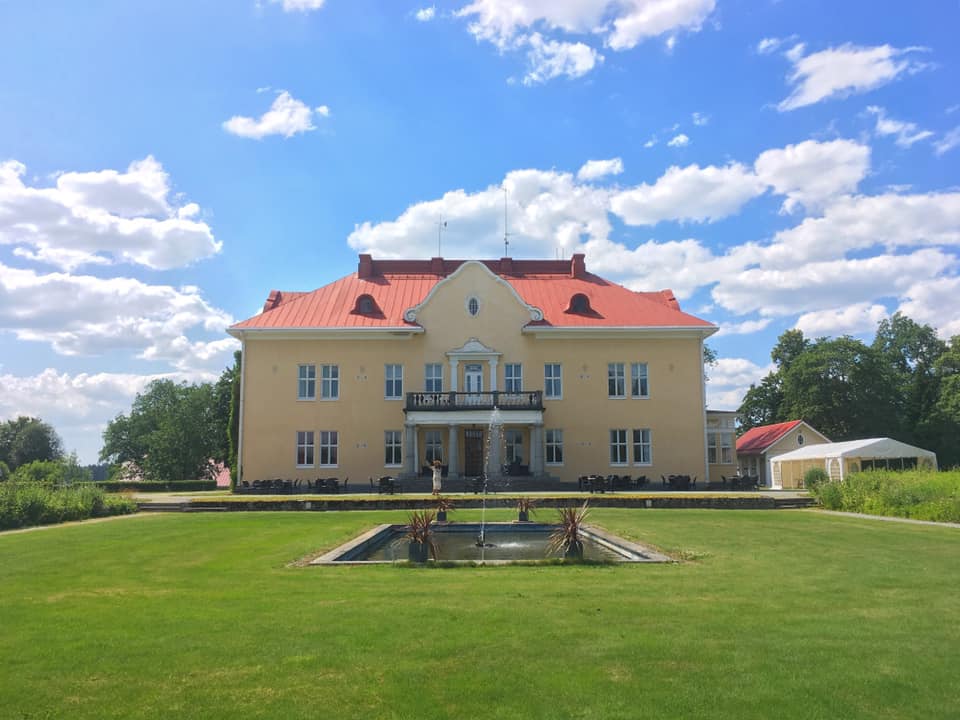
Hahkiala manor is one of Hauho's most significant great estates, its open views reaching along tree-lined avenues all the way to Hauho church. Step into one of the most striking examples of modern manor planning.
Look for: Look to the cube-shaped main building designed by architect Karl Lindahl: its smooth-plastered facades adorned only by baroque frontons on the roof slopes and small curved-cornice dormers. From the terraces the garden descends toward the lake view.
.jpg)
Hatanpää Manor
On a headland reaching into lake Pyhäjärvi, Hatanpää Manor carries northern Tavastian manor culture in its late-19th-century dress. At its heart stand architect Sebastian Gripenberg's Neo-Renaissance main building and the Neo-Gothic Idman villa.
Look for: Follow the park's central axis, which runs behind the main building down to the shore of Pyhäjärvi, and descend the stone steps to the boat landing. Among the trees you'll also find Siberian fir and Siberian stone pine.
Herttoniemen kartano
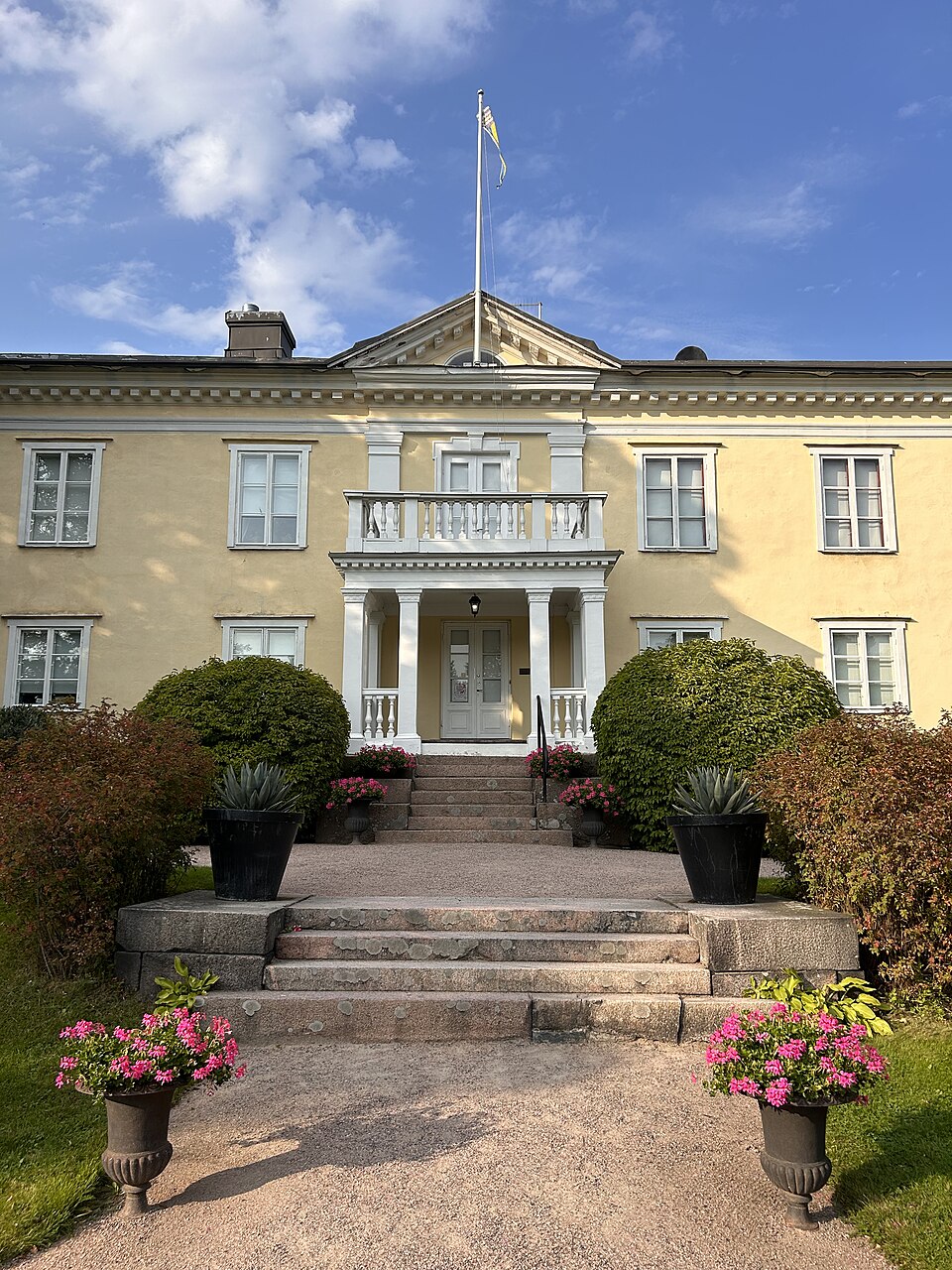
Herttoniemi Manor is among the finest expressions of 19th-century manor culture: the main building's core was the faience factory's former kiln house, remade into a residence by Pehr Granstedt after 1813.
Look for: Descend the great granite steps from the garden facade to the central path of the French formal garden, and find the two stone garden pavilions in the park designed by C.L. Engel.
Kuusiston kartano
Kaarina
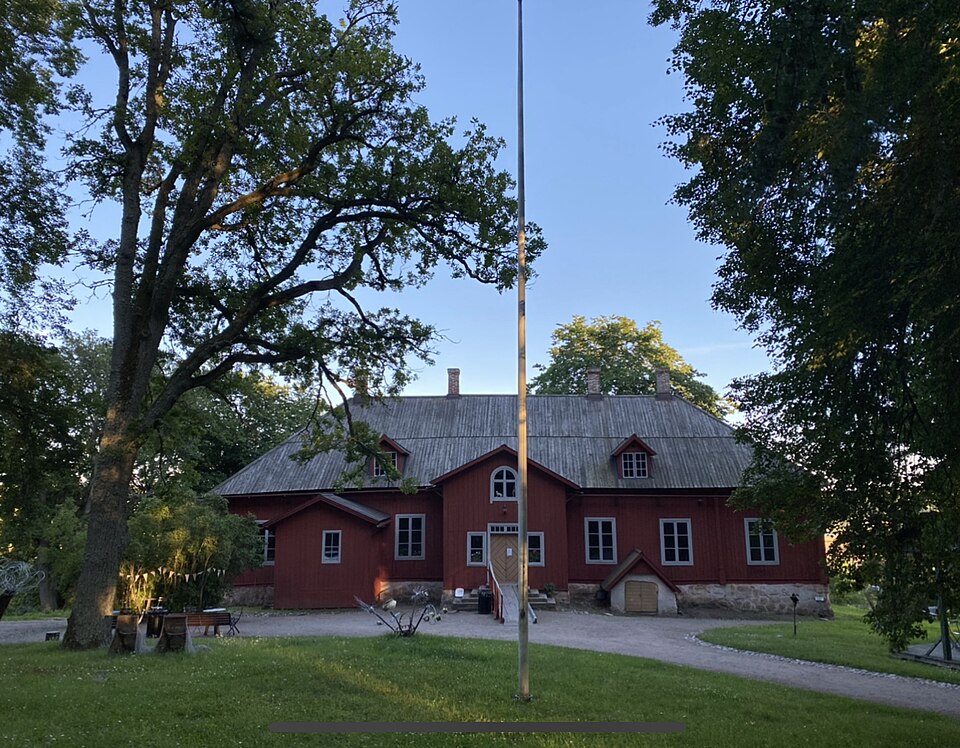
In the cultural landscape around Kuusisto bishop's castle stands the manor's main building, one of Finland's oldest wooden dwellings, completed in 1738 as the official residence of the Turku infantry regiment's colonel.
Look for: Seek out the herb garden at the west end, in place already in the 1600s, and the park's oldest parts dating from the 1780s.

Lapilan kartano
One of architect C.F. Schröder's rococo manors in south-western Finland stands on Luonnonmaa island in Naantali along a central sea route – with Fagervik, among the country's most important examples of rococo architecture.
Look for: Step into the brick main building completed in 1763: the Carolean central hall and the fixed interiors survive remarkably well in their original form.
Laukon kartano
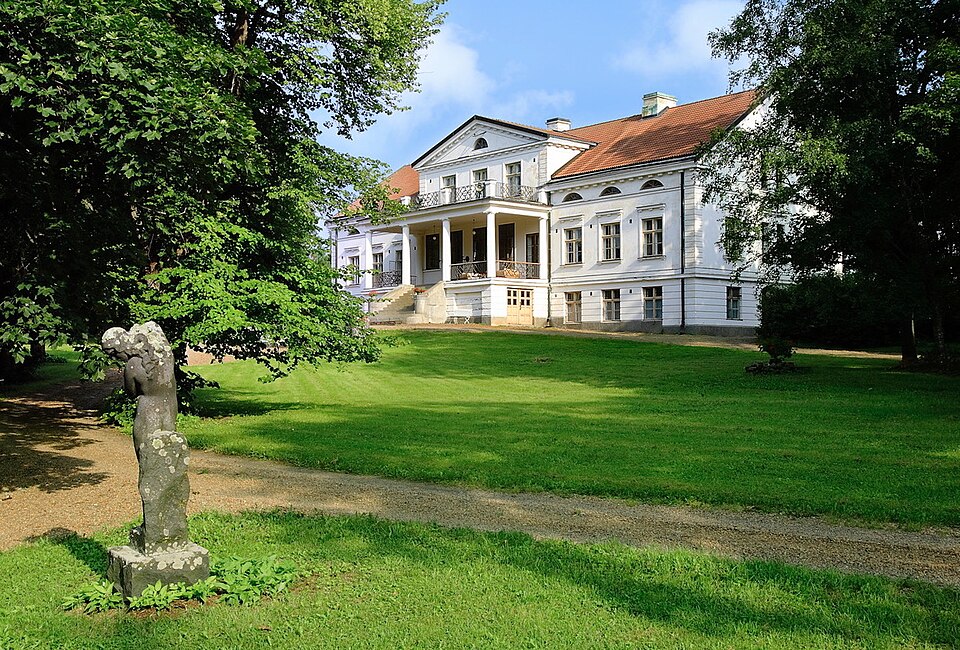
Rising on an Iron Age burial-ground hill, Laukko manor is also known as the setting of a folk ballad, and its history reaches back to prehistoric times. Come to where landscape and story meet on the shore of Laukonselkä.
Look for: Look in the yard for the medieval cellar, thought to belong to the manor's medieval building — the oldest trace of this place's long history.
Malmgårdin kartano
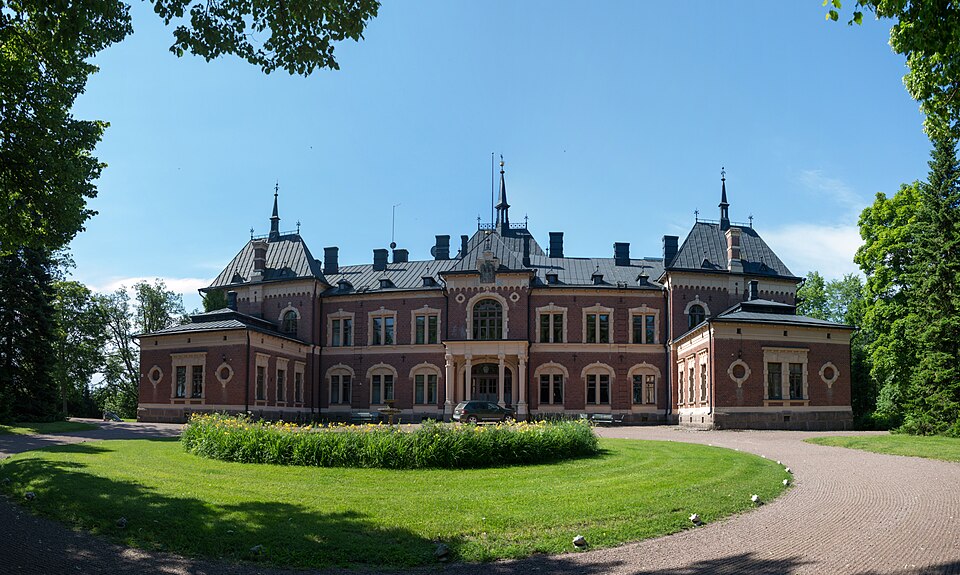
Malmgård manor rises like a brick castle amid open fields on the west bank of the Koskenkylä river. Its main building, drawn from 19th-century historicism, has few equals in Finland.
Look for: Step inside the brick castle built 1882-85 to architect F. A. Sjöström's designs, and linger in the great Knights' Hall on the upper floor with its sumptuous wall and ceiling paintings.
A manor day around Turku
Around Turku and Kaarina the manors cluster most densely: a day's route links Louhisaari, Kuusisto and other mansions of the district, one tree-lined avenue after another.
5 sites · ~107 km · about 5 h · set aside a full day
- 1Protected buildingNotable
In the cultural landscape around Kuusisto bishop's castle stands the manor's main building, one of Finland's oldest wooden dwellings, completed in 1738 as the official residence of the Turku infantry regiment's colonel.
Look for: Seek out the herb garden at the west end, in place already in the 1600s, and the park's oldest parts dating from the 1780s.
- 2Brinkhall Manor 13 km driveNationally significantInternationally known
On the island of Kakskerta stands Brinkhall Manor, one of Finland's earliest neoclassical buildings — a pale-yellow rendered brick ensemble whose main building rose between 1793 and 1810.
Look for: Above the main entrance, find the inscription plaque marking the completion year 1793, and inside, the so-called Pompeiian room with its antique-style paintings.
- 3Lapilan kartano 11 km driveNationally significantNotable
One of architect C.F. Schröder's rococo manors in south-western Finland stands on Luonnonmaa island in Naantali along a central sea route – with Fagervik, among the country's most important examples of rococo architecture.
Look for: Step into the brick main building completed in 1763: the Carolean central hall and the fixed interiors survive remarkably well in their original form.
- 4Protected buildingNotable
The yard of Saaren kartano is formed by three buildings and a former privy in the park — an ensemble in the Baroque tradition, owned by the Kone Foundation and restored.
Look for: Notice the Baroque axial arrangement: the main building closes the drive while smaller flanking wings frame the sides of the yard. The ensemble was restored in 2006–2008.
- 5Atun kartanoympäristö 56 km driveNationally significant
Atu manor tells an unusual story of estate economy and industry: mining and sawmill work left their marks on an intimate archipelago landscape where small fields and wooded islets take turns.
Look for: Seek out the two large two-storey barracks, Storgård and Grankulla, built for the sawmill workers, and the tree-lined avenue running northwest to two water-filled mine shafts.