Why visit
Turku's functionalist station building, completed in 1941, was unusually drawn by Building Board architects Martti Välikangas and Väinö Vähäkallio – step inside and a spacious, two-storey central hall opens above you.
Look for: Look up in the central hall: the ceiling is formed of narrow, half-round concrete vaults. On the platform side, under the canopy, original turquoise clinker tiles still survive.
About this site
Turku railway station was opened in 1876 as the terminal station of the Toijala-Turku line. The first station building was replaced by a new one in 1941. It was exceptionally designed by the Board of Building's architects Martti Välikangas and Väinö Vähäkallio. The station was planned to be ready for the 1940 Olympics, but the Winter War delayed construction by a year.
The building is a functionalist, two-storey, yellow-brick-clad clean structure, with a large window accentuating the main facade. Originally the facade surface was yellow clinker, but it was replaced in 1978–79 with brick, which slightly increased the facade thickness. On the trackside facade, under the canopy, original turquoise clinker tiles have been preserved.
The building has three large windows: one facing the station square, one facing the harbour, and one facing north. The original colouring of the station square's main doors was light, which unified the doors and the wings' windows facing the station square, creating a fine rhythm on the facade. Functionalism is visible in the interiors.
The central hall is a spacious, double-height space, at the sides of which stairs rise to the second floor. The hall's ceiling consists of narrow, semi-circular concrete vaults. In the station area, to the west of the station building completed in the 1940s, there is a park-like area with two wooden residential buildings.
The older, exceptionally two-storey, residential building dates from the Turku-Tampere railway era, apparently from 1876. The railway administration's architect Knut Nylander is mentioned as the designer. The station master's house was built in 1924 according to the 1915 standard drawings for station master's houses.
The railway administration's architect Thure Hellström is mentioned as the designer. The actual station park is on the other side of the street. On the north side of the wide marshalling yard along Köydenpunojankatu there is an entrance to the old VR workshop and locomotive shed. The marshalling yard is crossed at approximately 6 metres' height by a pedestrian bridge.
Official description (Museovirasto) — machine-translated from Finnish
- Municipality
- Turku
More to see in Turku
 Protected building
Kakskerta Church
Turku
Read more Protected building
Katarina Church
Turku
Read more Protected building
St. Mary's Church, Turku
Turku
Read more Protected building
Martin's Church
Turku
Read more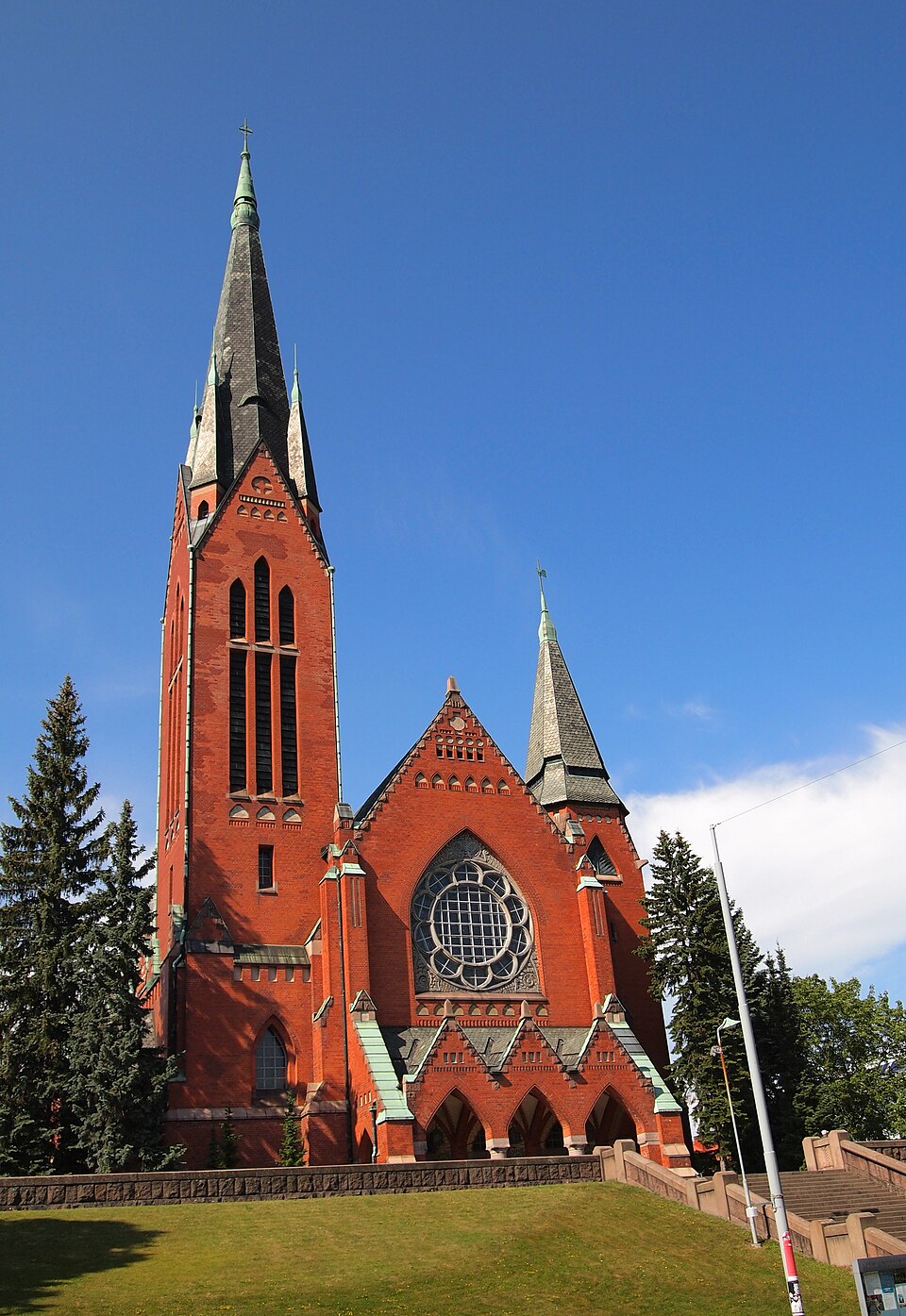 Protected building
St Michael's Church, Turku
Turku
Read more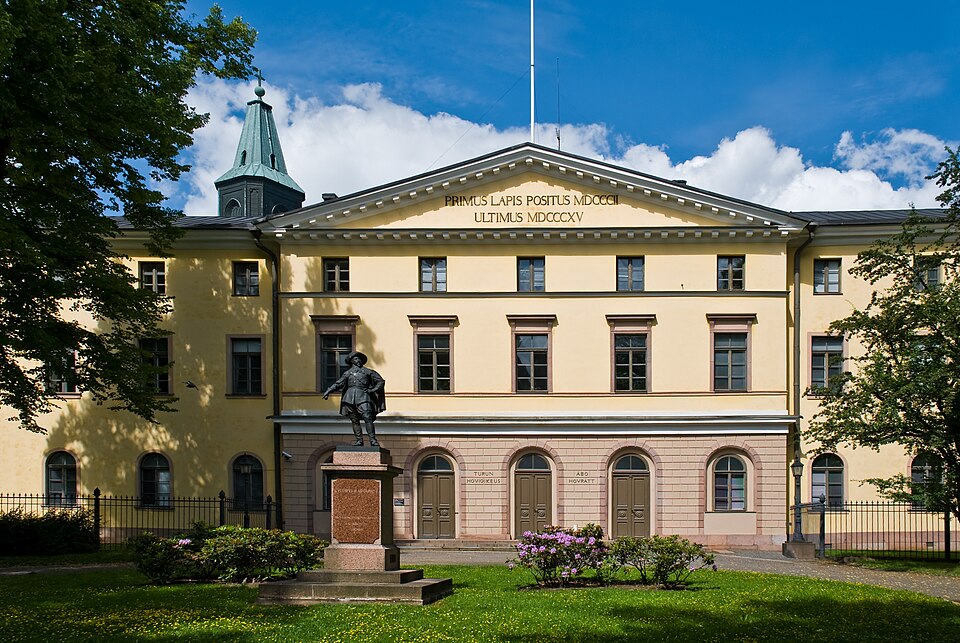 Protected building
Old Academy Building
Turku
Read moreWorth a stop nearby
 Nationally significant
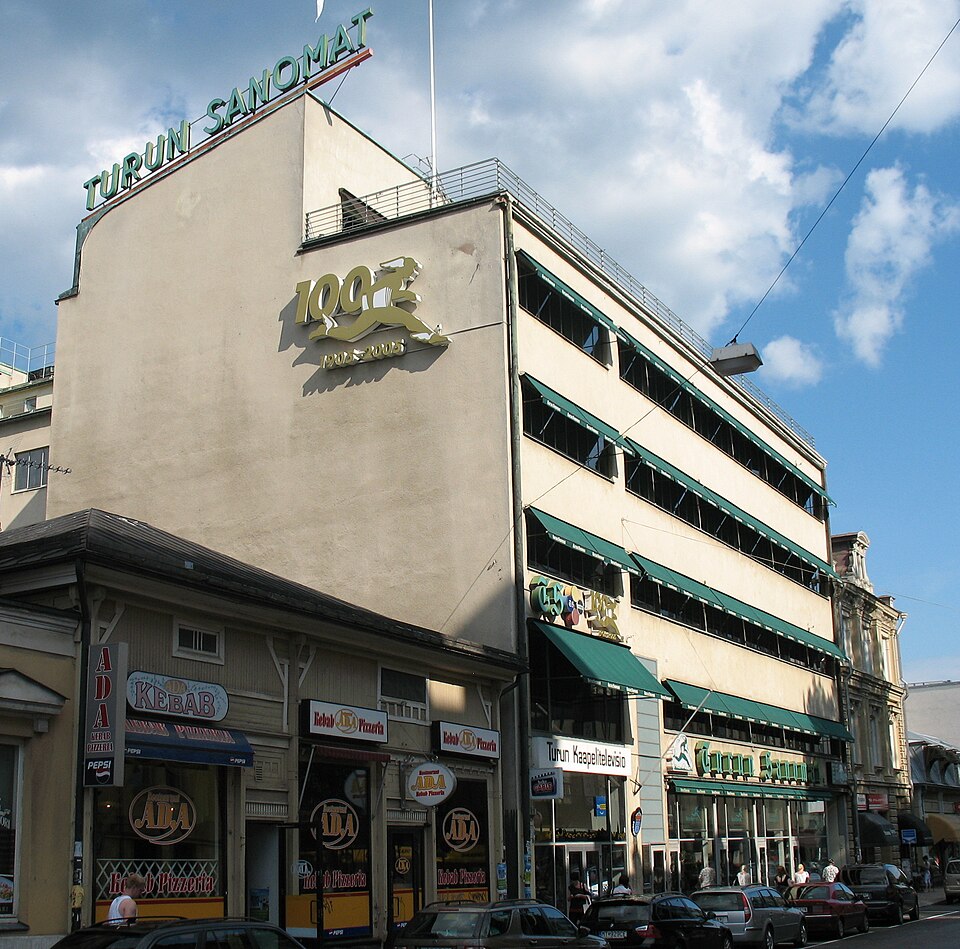
Turun Sanomien toimitalo, Maalaistentalo ja Standardivuokratalo
Read more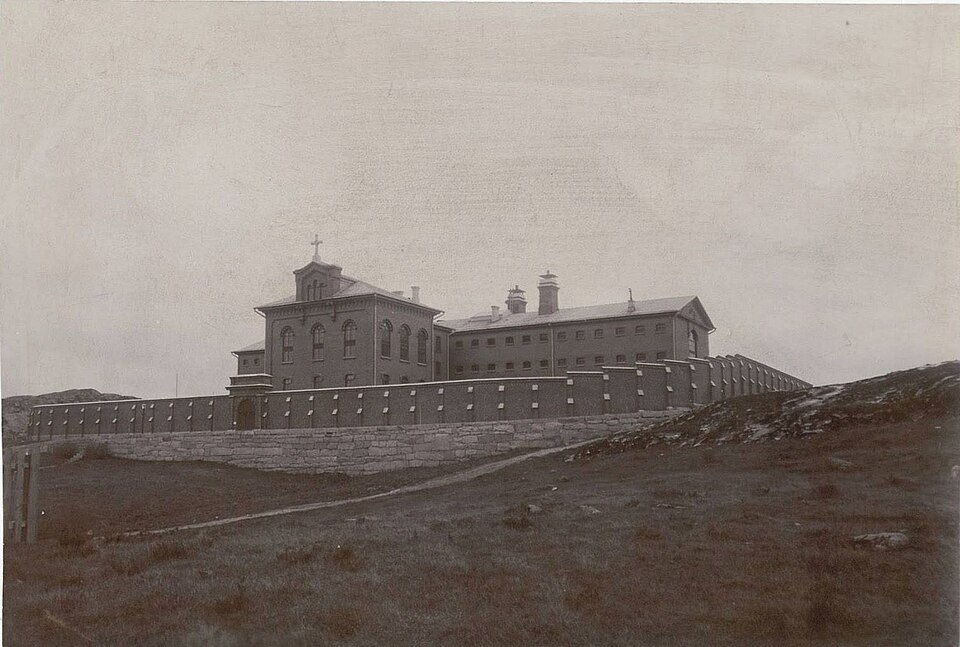 Nationally significant
Kakolanmäki
Read moreNationally significantMartin's Church
Read more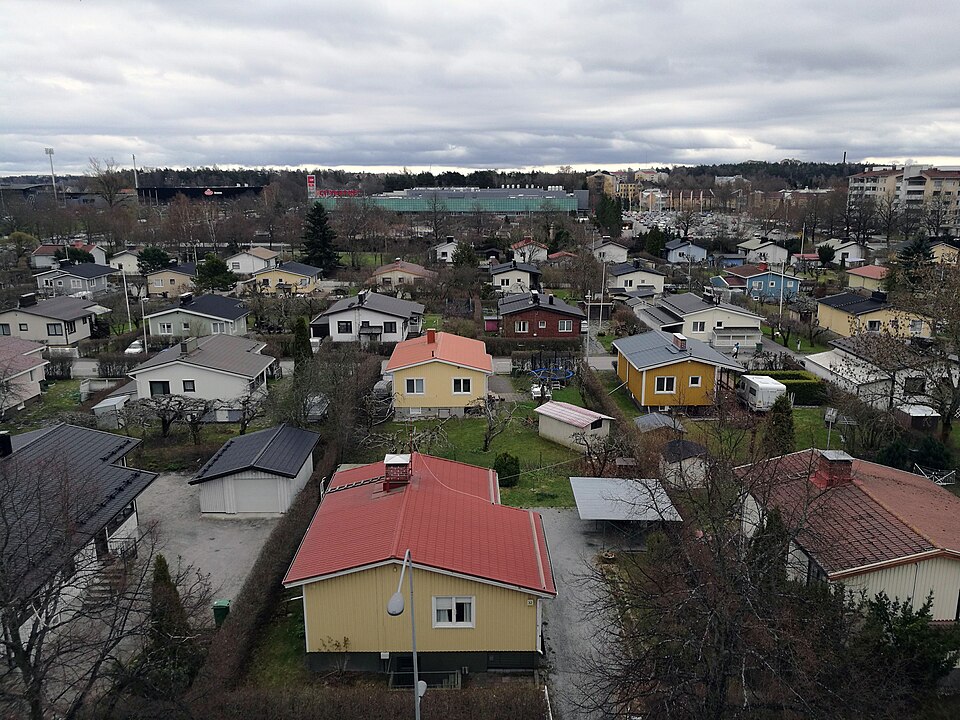 Nationally significant
Kupittaan ruotsalaistaloalue
Read more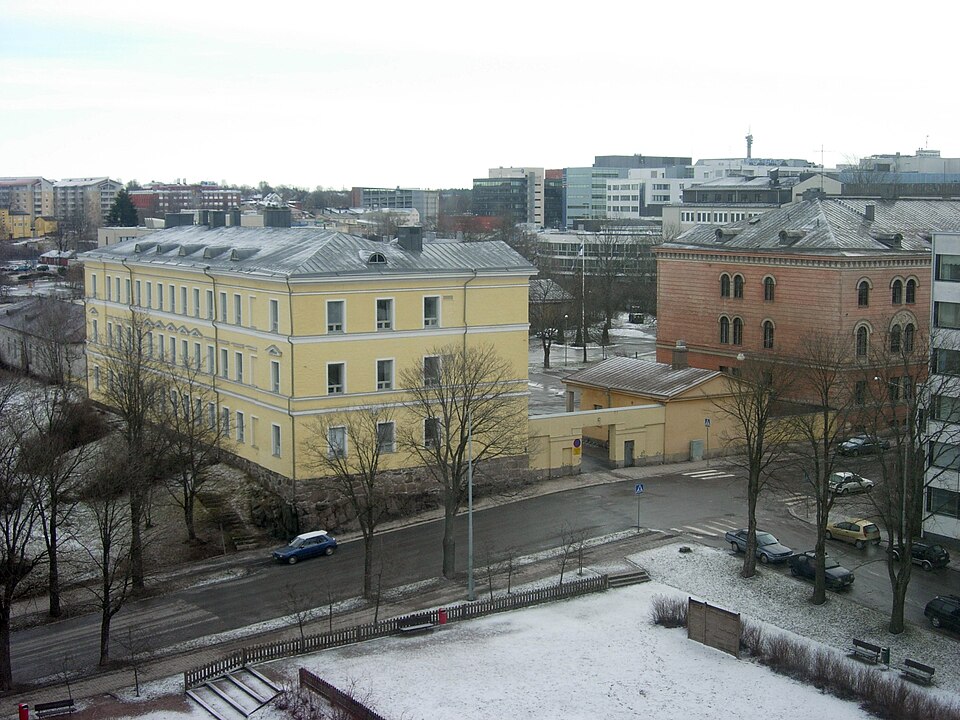 Nationally significant
Sirkkalan kasarmit
Read more Nationally significant