Why visit
The 1810s wooden church of Mikkeli rural parish was the first double-cruciform church to echo academic architecture and to be designed in the Board of Public Works. Step into this meeting of Empire style and local history.
Look for: Look up to the low, window-lit lantern rising above the crossing, and notice the accentuated corners of the Empire-style exterior boarding.
About this site
Wooden church, double cruciform church. Mikkeli rural parish church built in the 1810s is the first double cruciform church influenced by academic architecture and designed at the intendant's office. The roofs are shallow and above the crossing rises a low, window-equipped lantern. The Empire-style exterior cladding has highlighted corners.
The octagonal bell tower on the church's north side represents the eastern Finnish bell tower type and was built under the direction of Matti Salonen in 1815. In the churchyard southeast of the church there is a hero grave area; a bronze sculpture "Duty" is from 1959 (Kalervo Kallio). The church's immediate environment includes the cemetery north of the church that is still in use.
The stone-built parish granary northwest of the church from 1848 has been converted into Suur-Savo museum in 1959–1960. East of the church is a stone wall-enclosed cemetery established in 1817. In the tall spruce-lined park-like area, which continues also south of Otavankatu (established 1869), some burial memorials have been preserved.
Official description (Museovirasto) — machine-translated from Finnish
- Municipality
- Mikkeli
Part of these journeys
More to see in Mikkeli
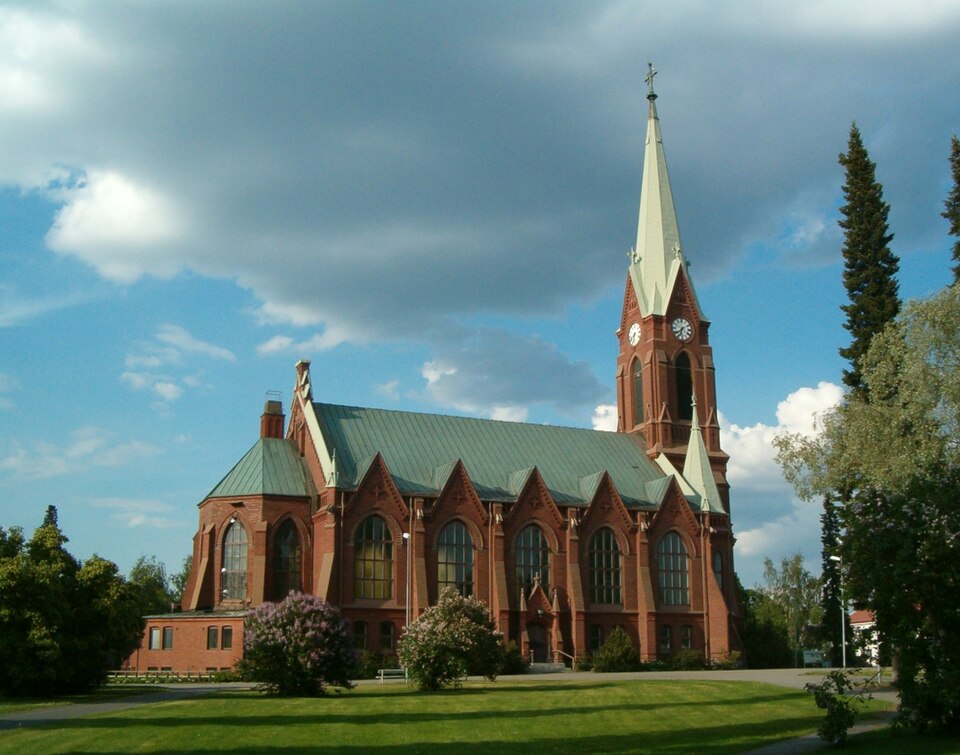 Protected building
Mikkeli Cathedral
Mikkeli
Read more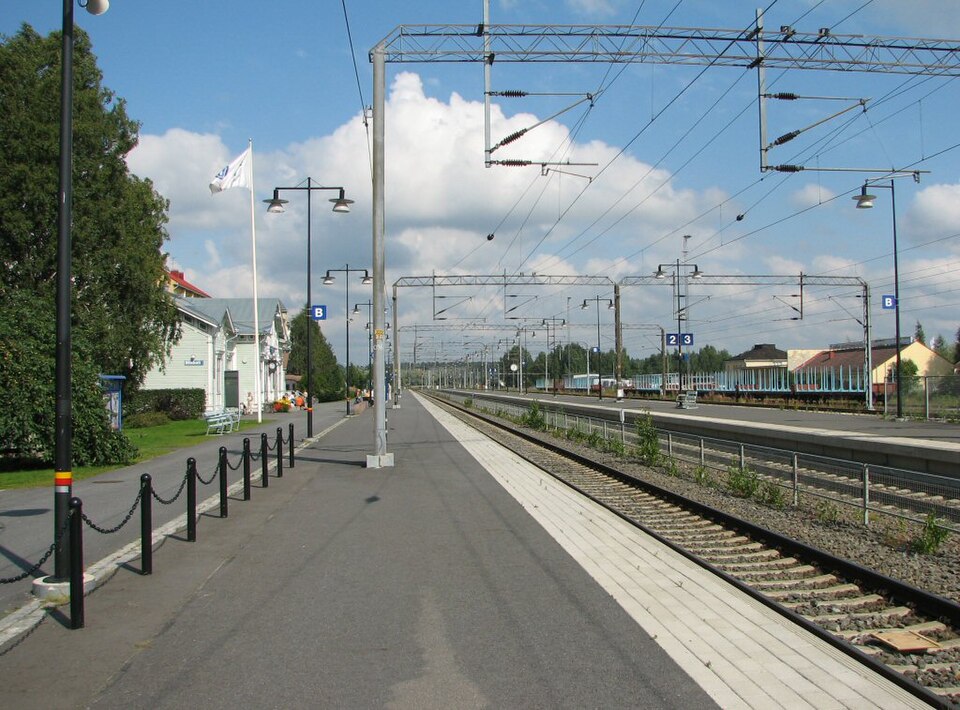 Protected building
Mikkeli railway station
Mikkeli
Read more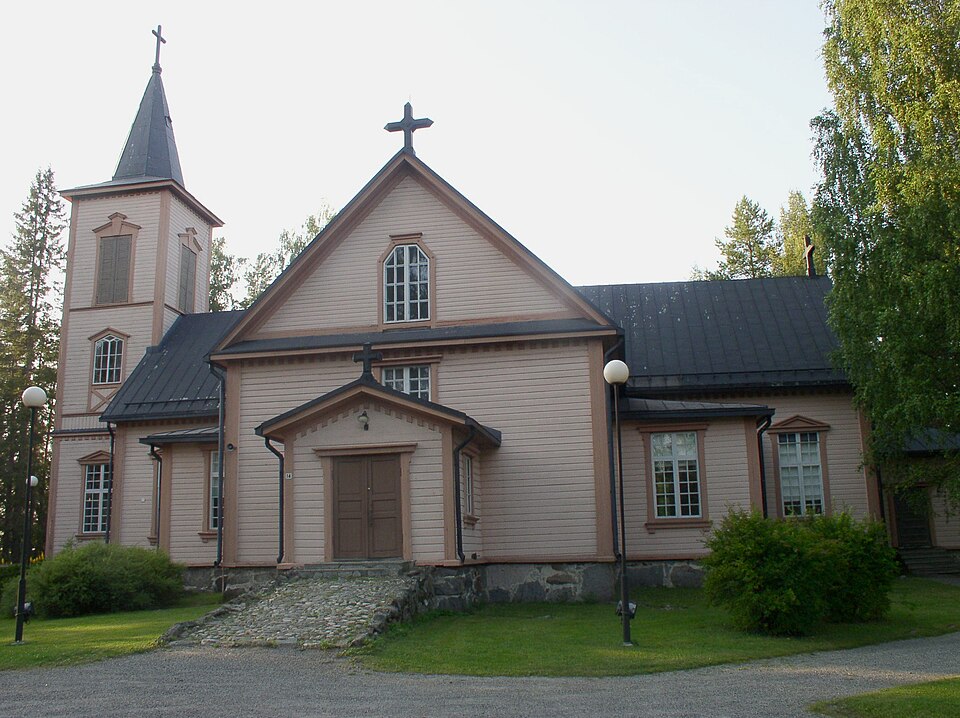 Protected building
Anttolan kirkko
Mikkeli
Read more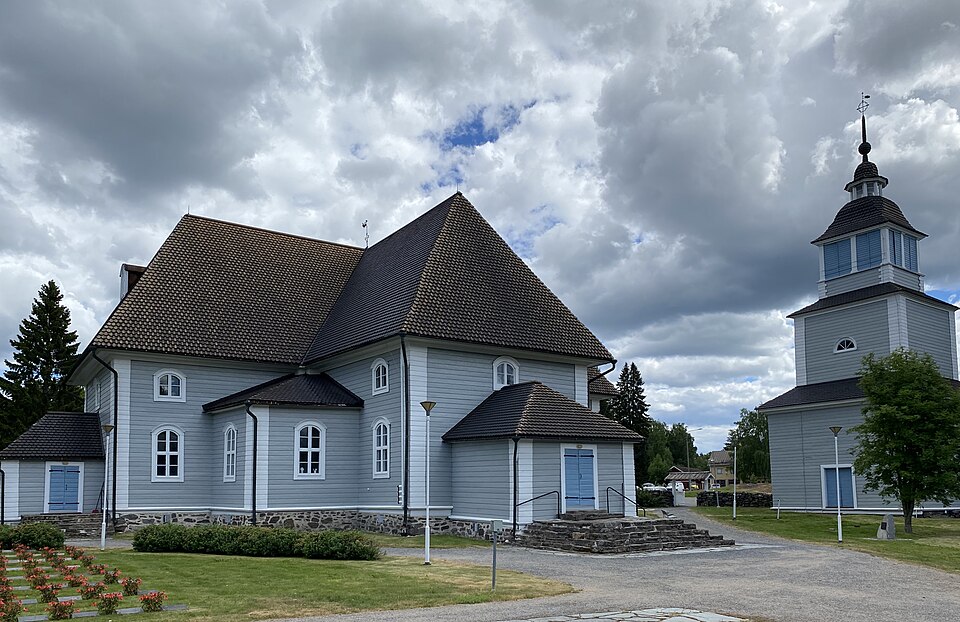 Protected building
Ristiinan kirkko
Mikkeli
Read moreKirkkopuisto
Mikkeli
Read moreMikkelin tarkk´ampujapataljoonan kasarmialue, ns. Vanha kasarmialue
Mikkeli
Read moreWorth a stop nearby
 Nationally significant
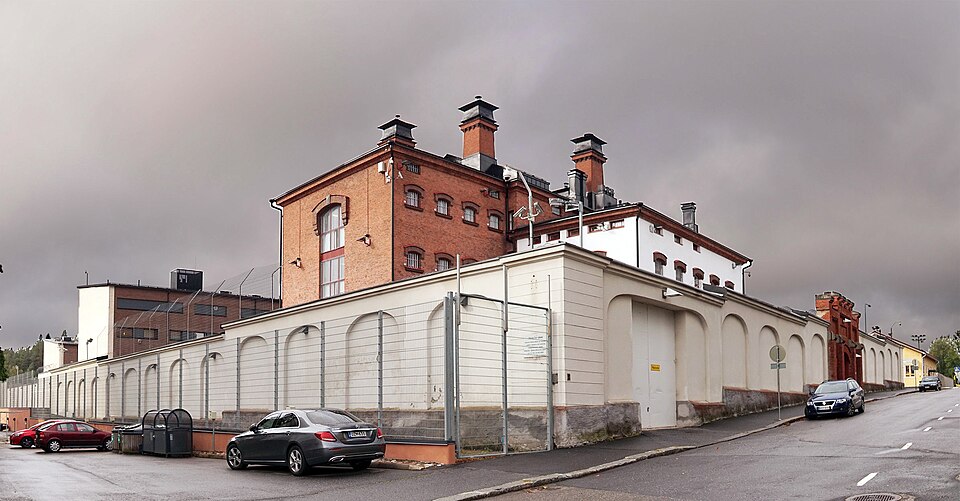
Mikkelin vankila
Read moreNationally significant