Why visit
Risen on Observatory Hill in 1831–34, this observatory invites you in: in a building designed by C.L. Engel and the astronomer F.G.W. Argelander, former living rooms interlace with ceremonious observation halls, and the sky opens unobstructed overhead.
Look for: Seek out the hatches in the walls and ceiling of the west-end meridian hall: at each observation point they open a view from the southern horizon through the zenith to the northern sky.
About this site
The observatory building, designed by architect C.L. Engel and professor of astronomy F.G.W. Argelander, was built in 1831–34 on Observatory Hill, from which there is unobstructed visibility to the sky and from which the building itself is visible at a distance. The observatory's symmetrical building complex consists of the main observatory tower building, two auxiliary buildings attached to it with staff accommodation, and a forecourt bounded by a wall.
In the square-shaped central section of the main building is the main observation tower, and at the ends of the narrow side wings branching from it are observation halls with cylindrical observation towers above them – a solution dictated by practical requirements that has been given an architecturally impressive form.
The observatory's towers are valuable, patinated technical monuments in which inventive rotation mechanisms for the tower structures and opening mechanisms for the shutters have been preserved. In the observatory garden is a separate astrophotography, i.e. refractor tower, designed by architect Gustaf Nyström, whose darkroom wing was extended in 1901.
In the main building's interiors, former living rooms are interleaved with observation and work spaces given a ceremonial architectural expression. In the western end's meridian hall, walls and ceiling have shutters at each observation point through which the view opens from the southern horizon through the zenith to the northern horizon; for east-west observation, a prime vertical room is situated at the southern end of the building.
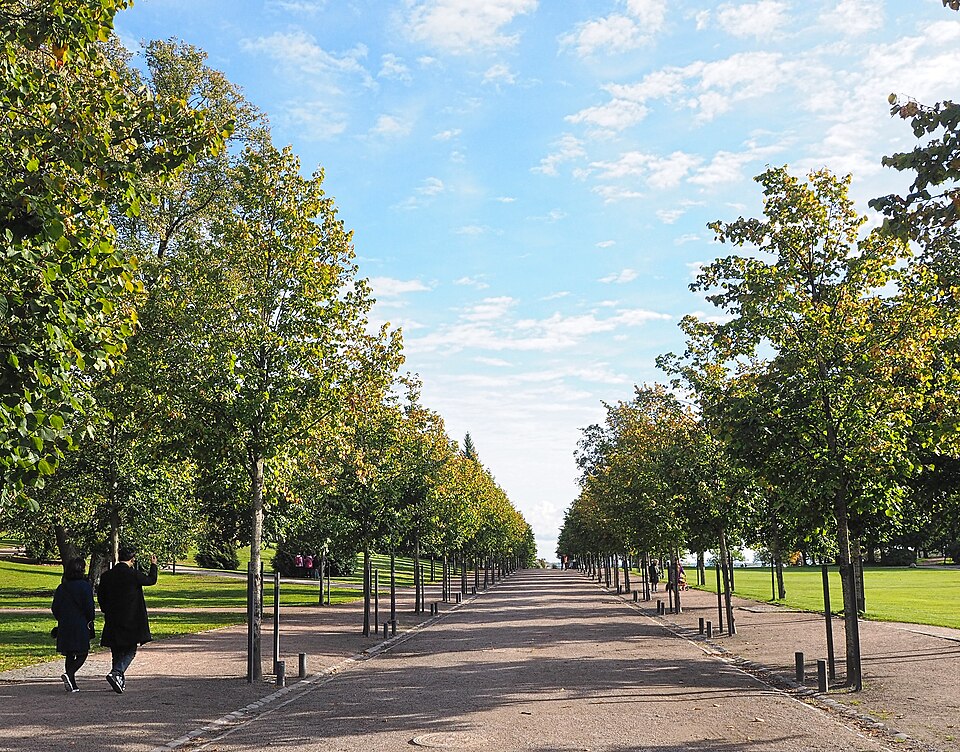
Some of the interiors also contain illusionistic paintings such as trompe-l'oeil door paintings and grisaille imitation plasterwork paintings. Observatory Hill with the observatory and park is an important part of maritime Helsinki, classified as one of Finland's national landscapes.
Official description (Museovirasto) — machine-translated from Finnish
- Municipality
- Helsinki
More to see in Helsinki
.jpg) Protected building
Protected buildingAlexander Theatre
Helsinki
Read more Protected building
Museum of Finnish Architecture
Helsinki
Read more Protected building
Ateneum
Helsinki
Read more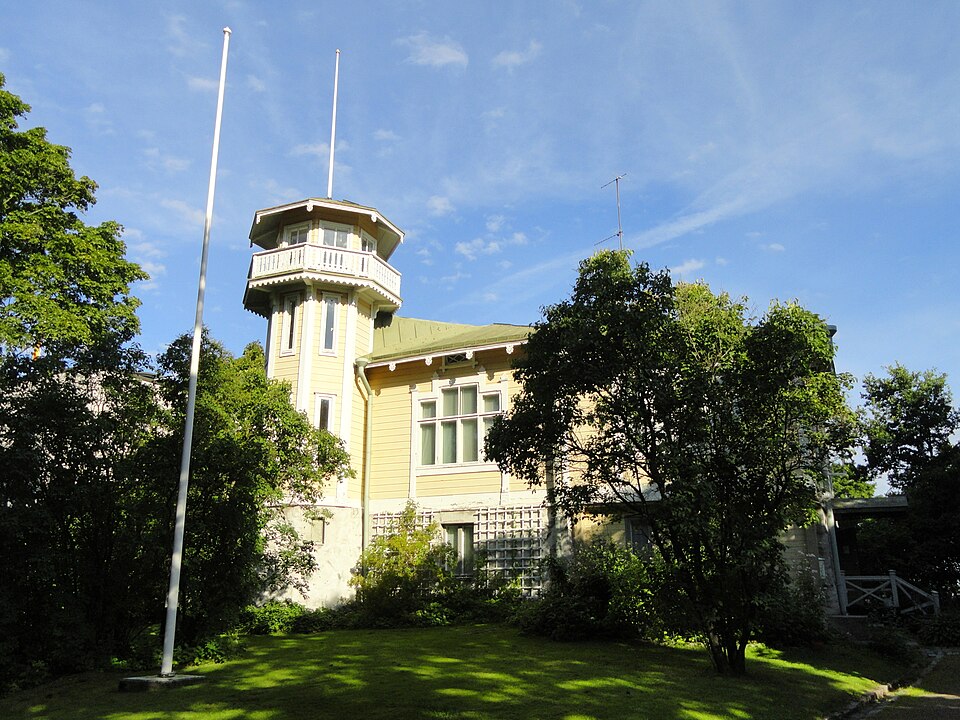 Protected building
Cygnaeus Gallery
Helsinki
Read more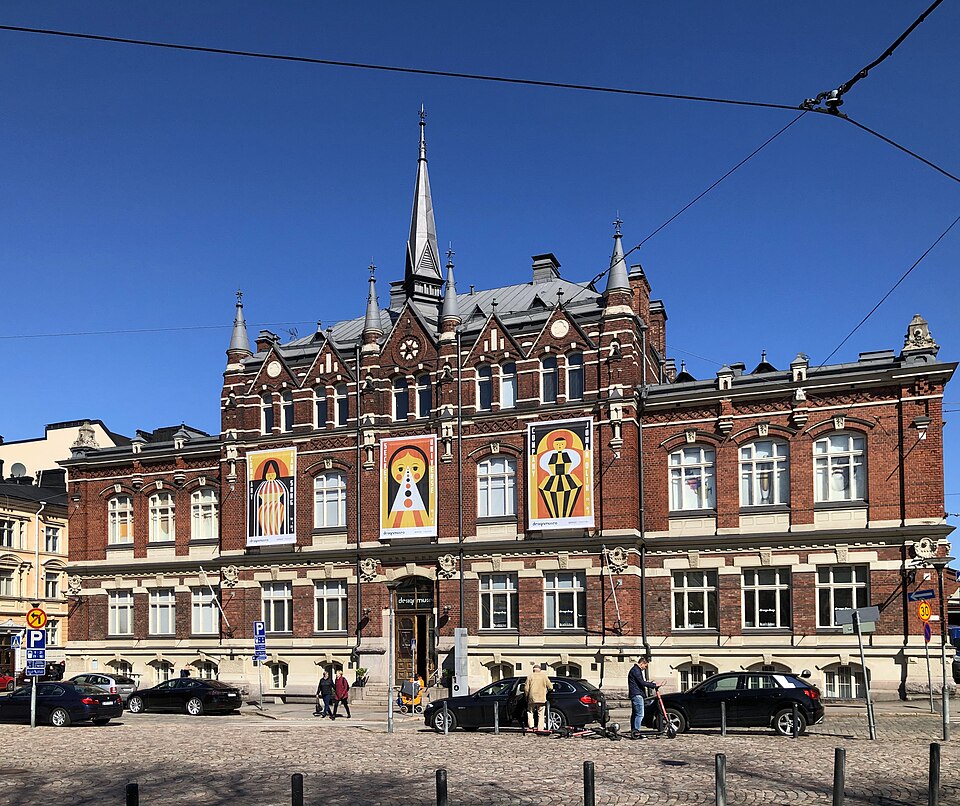 Protected building
Architecture & Design Museum, Helsinki
Helsinki
Read more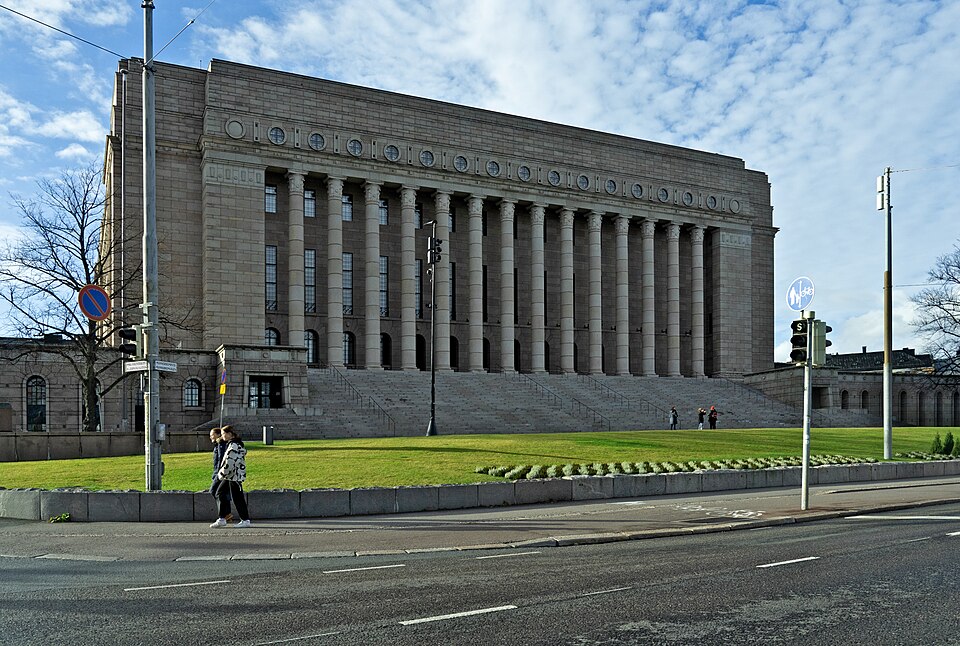 Protected building
Parliament House, Helsinki
Helsinki
Read more